
Language Matters | Egg decorating is one of the oldest decorative arts, not just an Easter activity
- Decorated ostrich eggs found in South Africa date from 65,000 to 55,000 years ago and were likely used as water containers
- In Chinese culture, red eggs figure at important birthdays, such as a baby’s first month or first year, to symbolise joy and new life

The sight of basket-toting bunnies and colourful chocolate eggs communicates Easter’s advent. But just as the Christian celebration of Jesus’ resurrection, on the Sunday following the full moon after the vernal equinox, is believed to have evolved from the English pagan spring celebration of the goddess Ēostre, so the language of decorated eggs is extensive and culturally diverse.
Egg-decorating is one of the oldest decorative arts. Decorated ostrich eggs found in South Africa date from 65,000 to 55,000 years ago; they were likely used as water containers, the designs indicating ownership.
Pre-dating Christianity, ancient Zoroastrians painted eggs for Nowruz, “new day” in Persian, marking the vernal equinox. Persian New Year still observes this custom, with decorated eggs, representing fertility, laid out with the haft-seen (the “7 S” foods) and other symbolic items.
Dyeing eggs red is widely found across cultures, though with different meanings. In the Orthodox and Eastern Catholic churches, the red of Easter or Paschal eggs – Paschal from the Latin Pascha, from the Greek Pascha, transliterated from Aramaic, cognate to the Hebrew Pesach, “Passover” – represents the blood of Christ, the custom believed to have originated among the early Christians of Mesopotamia. The shell represents the sealed tomb of Christ, the cracking of which – custom involves knocking two red eggs against each other – symbolises his resurrection.
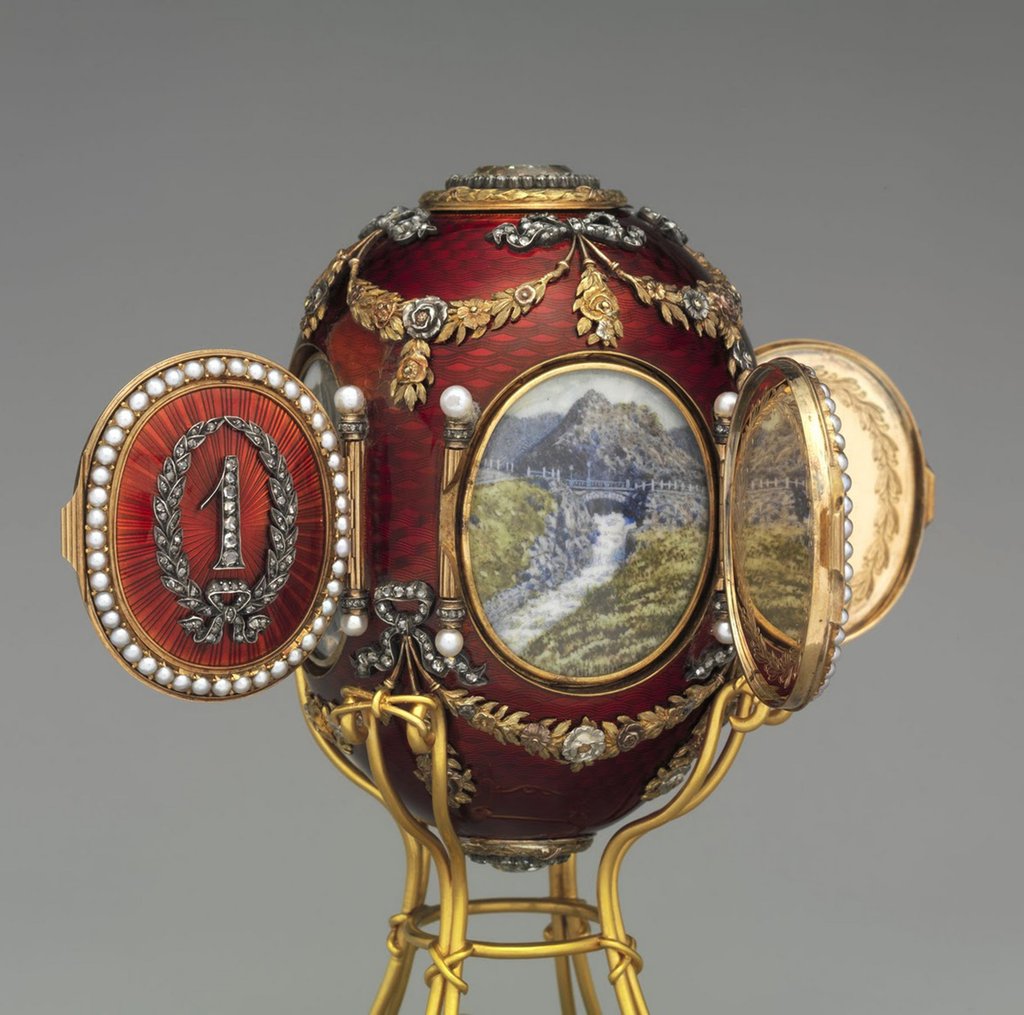
Meanwhile, in Chinese culture, red is auspicious, representing good luck, vitality and happiness, and red eggs figure at important birthdays, such as a baby’s first month or first year, to symbolise joy and new life.