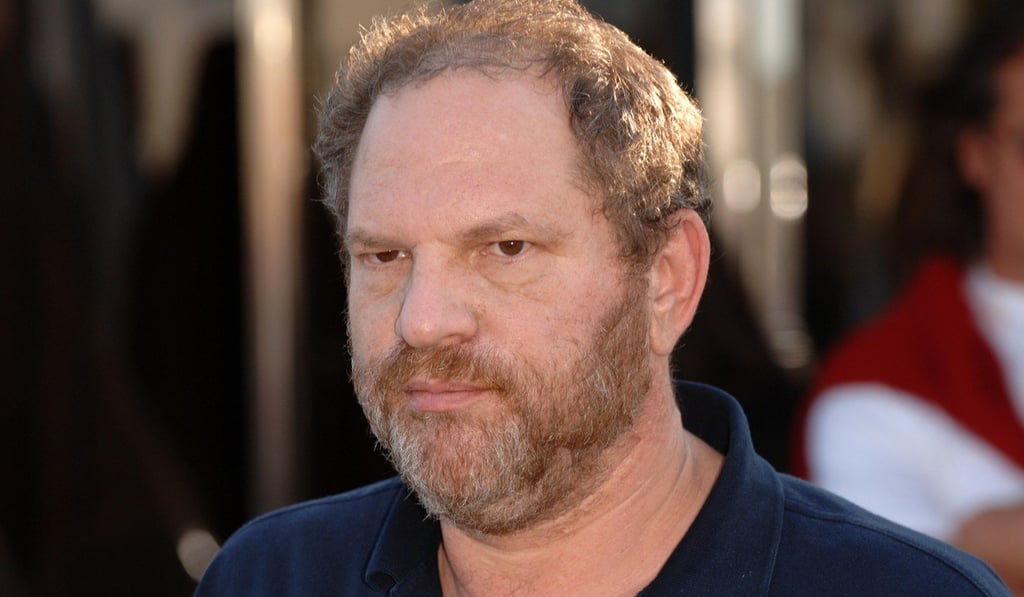
Korean director Bong Joon-ho on getting his way with Harvey Weinstein and his latest film, the Palme d’Or winner Parasite
- The 50-year-old filmmaker behind Okja, Snowpiercer and The Host recalls being haunted by the ‘traumatic’ smell of tear gas from his days as a student activist
- Although his work is evolving, the films maintain his signature spectacular visuals, uncanny sense of dread, and dark, wry sense of humour

The stand-off between Bong Joon-ho and Harvey Weinstein over the United States cut of Snowpiercer (2013) had all the hallmarks of a scene the director might shoot himself. High drama. The Korean auteur versus the bullish American. Philosophical questions of artistic integrity in the time of mass consumption. Gallows humour.
Snowpiercer is a unique hybrid. It looks like a slick Hollywood action movie but with revolutionary themes, depicting a class rebellion set in a sci-fi dystopia led by none other than Captain America himself, Chris Evans. Despite its blockbuster appeal, Snowpiercer languished in limbo in the US. The Weinstein Company bought the distribution rights in 2012, but instead of giving the film an immediate release date, Weinstein demanded changes. He wanted to cut 25 minutes. He wanted more action, “more Chris Evans”.
“It was a doomed encounter,” Bong tells me over breakfast one morning in Los Angeles. “I’m someone who until that point had only ever released the ‘director’s cut’ of my films. I’ve never done an edit I didn’t want to do.” And yet, he says, “Weinstein’s nickname is ‘Harvey Scissorhands’, and he took such pride in his edit of the film. ‘I am so proud of my edit!’” Bong is a commanding presence, six feet tall and honey-bear shaped. He’s a mesmeric storyteller with killer comic timing, and he does a bombastic Weinstein impression – all hot air and hand gestures – punctuated by his wild, authorial hair.