What Beijing’s most important street, Changan Avenue, reveals about the Chinese capital’s past and present
A stroll along Long Peace Street – where old and new collide – offers a glimpse into China’s fascinating history
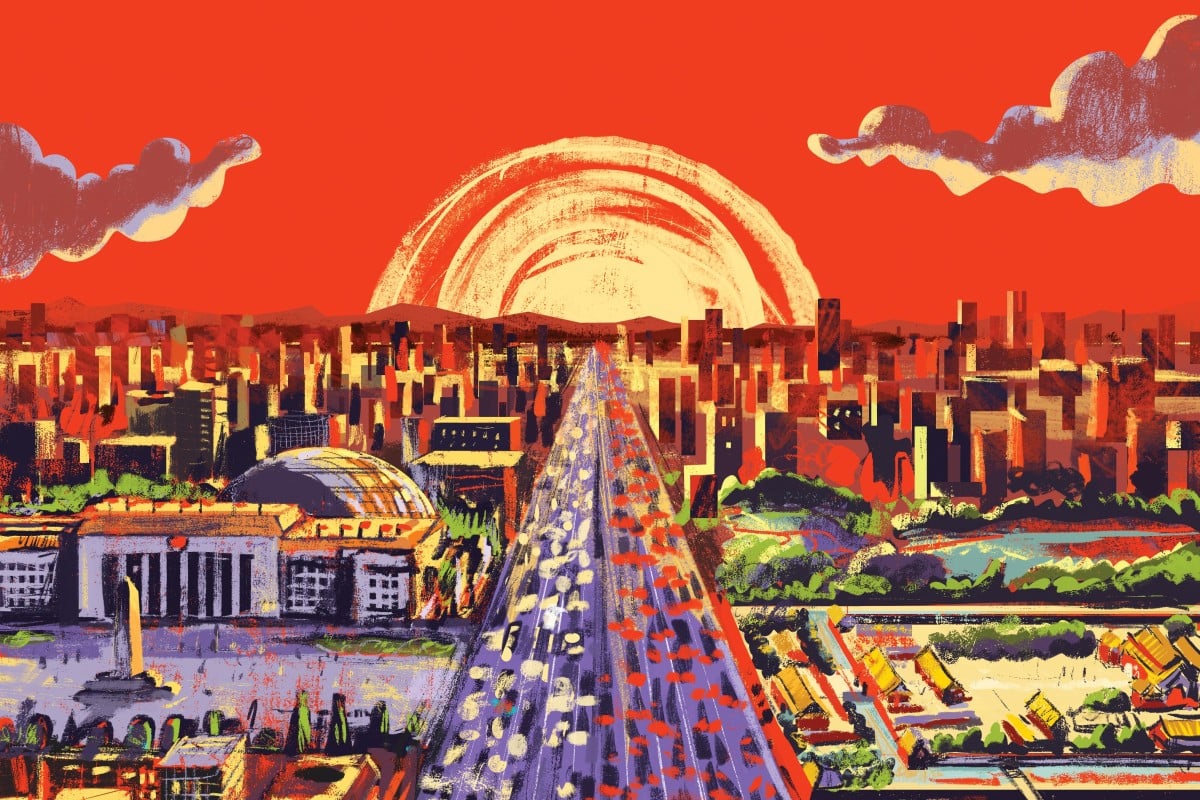
On a hot August day, I set out to walk across Beijing.
My route was nothing if not straightforward: west to east, along the No 1 Street of China: Changan Jie. Literal translation, Long Peace Street. A more poetic reading might render it as the Avenue of Eternal Peace, but this road’s shoulders have rarely been peaceful for long.
Bisecting the Chinese capital from the edgelands, where the city meets the mountains in the west, to the unremarkable eastern suburbs, it is arrow-straight, 32km long and, at points, 10 lanes wide. Its centre separates the imperial splendour of the Forbidden City from Tiananmen Square, the vast granite rectangle built to the glory of Mao Zedong’s China after the communist victory of 1949.