From chilli to turmeric, spices hailed as new superfoods – medicinal marvels or just hype?
Spices are being saluted for their health benefits, with the power to fight everything from cancer to memory loss, but the scientific jury is still out

Turmeric and bread make for an unusual breakfast. But when Mark Wahlqvist served the combination to a group of older people in Taiwan, he had high hopes. They had been diagnosed as heading for diabetes, which can affect mental abilities. Having heard that the spice could have cognitive benefits, he wanted to put it to the test.
“The idea that turmeric might be brain-protective is novel,” says Wahlqvist, currently at the National Health Research Institutes, in Taipei, Taiwan.
To those following the latest food trends, however, the spice’s brain-boosting potential is unlikely to raise an eyebrow. It is just one in a long list of turmeric’s supposed benefits that has seen it proclaimed as a cheap and effective superfood. As a result, what once may have been gathering dust in your spice rack is now the star attraction at trendy coffee shops selling “golden lattes”.
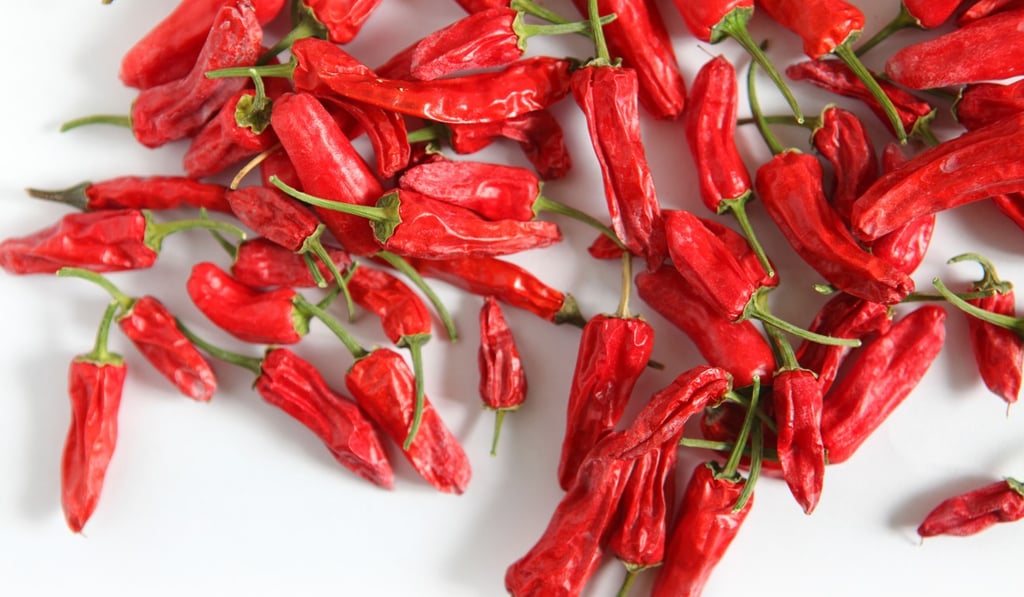
Other spices are vying for popularity, too. From cinnamon to saffron, the internet is rife with claims about their healing powers, suggesting that they can help with just about any condition from depression to cardiovascular disease and cancer. Even Hillary Clinton reportedly jumped on the bandwagon. After reading that hot peppers can boost the immune system, she was eating one a day during the 2016 United States presidential election campaign in an attempt to improve her stamina. The question is whether we are swallowing anything more than a load of hype.
The promise of medicinal benefits from spices is rooted in traditional medicine. In holistic Ayurvedic medicine, which has been practised for more than 3,000 years in what is now India, turmeric is mixed with milk as a remedy for colds or made into a paste that is applied as a topical treatment for sprains or inflamed joints. More than 300 herbs and spices are used in Chinese medicine, wherein cinnamon is a familiar remedy for muscle pain and excessive sweating, among other ailments. Spices may be added to food or steeped in liquid as a medicinal drink.
The allure of these therapeutic properties spread as herbs and spices were introduced to Europe from Asia and Africa in the Middle Ages, and blossomed as more immigrants settled in Europe in the 20th century, says Wahlqvist. But in the past few years, as our appetite has grown for functional foods – those with health benefits beyond their nutritional value – spices have reached cult status.
In Europe, imports of spices and herbs have increased by 6.1 per cent annually between 2012 and 2016. Google searches for “turmeric” shot up 300 per cent in the US over this period. And sales of supplements of curcumin, an active ingredient in turmeric, reportedly raked in more than US$20 million in 2014.