Korean soup, stews and broths: all you need to know about the dishes that represent the very lifeblood of a nation
- The love of soups and broth is fundamental to Korean culture, a fact celebrated in the recent Netflix documentary series A Nation of Broth
- Generally divided into four categories, soups run the gamut from hot to cold, fortifying to healing, beef to seafood, hotpot to served with rice, and much more

For many Koreans, broth is more than just a soothing soup – in its many iterations, it represents the very lifeblood of a nation.
If Koreans are eating a steaming bowl of well-made soup, after the first spoonful, you will undoubtedly hear profound, guttural “aaaaaahs” that fall somewhere between exhalation and exclamation. “Aaaaaah” is the primal chorus around my dinner table, with my Korean husband starting us off, followed by my two-year-old son, who slurps broth straight from his bowl and utters his own startlingly deep “aaaaah”.
The love of soups and broth is fundamental to Korean culture. In Korea, soups mark life milestones and holidays.
When babies are born, new mothers replenish themselves with nourishing miyeokguk, or seaweed soup, which is also taken to celebrate birthdays. Wedding feasts traditionally feature galbitang, or beef short rib soup, and janchi guksu, a festive noodle soup.
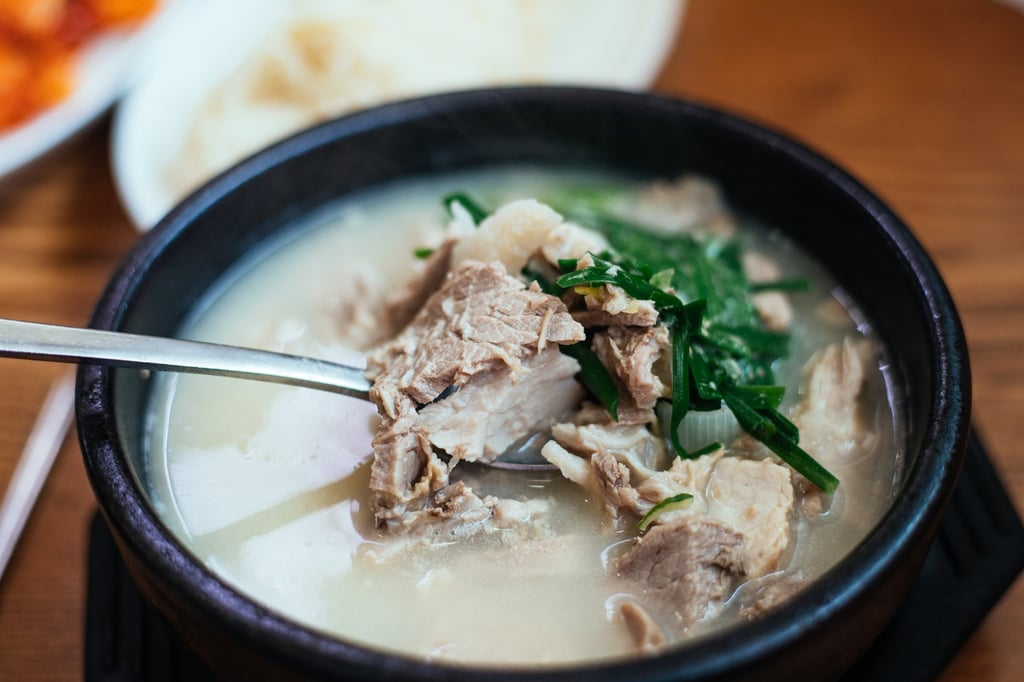
On Lunar New Year, Koreans have dukguk, a brothy soup with oval rice cakes symbolising prosperity. For the Korean Mid-Autumn Festival, Chuseok, we eat toranguk, taro root soup.
A Korean table, whether for holidays or every day, is incomplete without a soup or stew. A well-known adage in Korea has it that “a table without soup is like a face without eyes”.