Unicorn food and drinks: three magical ingredients to make them delicious and nutritious
Colourful, eye-catching dishes are all the rage on Instagram but how do you get that rainbow effect without piling on the calories? Check out our tips on the fruits, powders and superfoods you need in the kitchen

Hongkongers love snapping photos of their food before they devour it, a practice known locally as “camera eats first”. Now a recent trend has whipped up fresh interest in food photos: unicorn food, dishes imbued with layers of pastels and sparkles, inviting diners to tuck into rainbows.
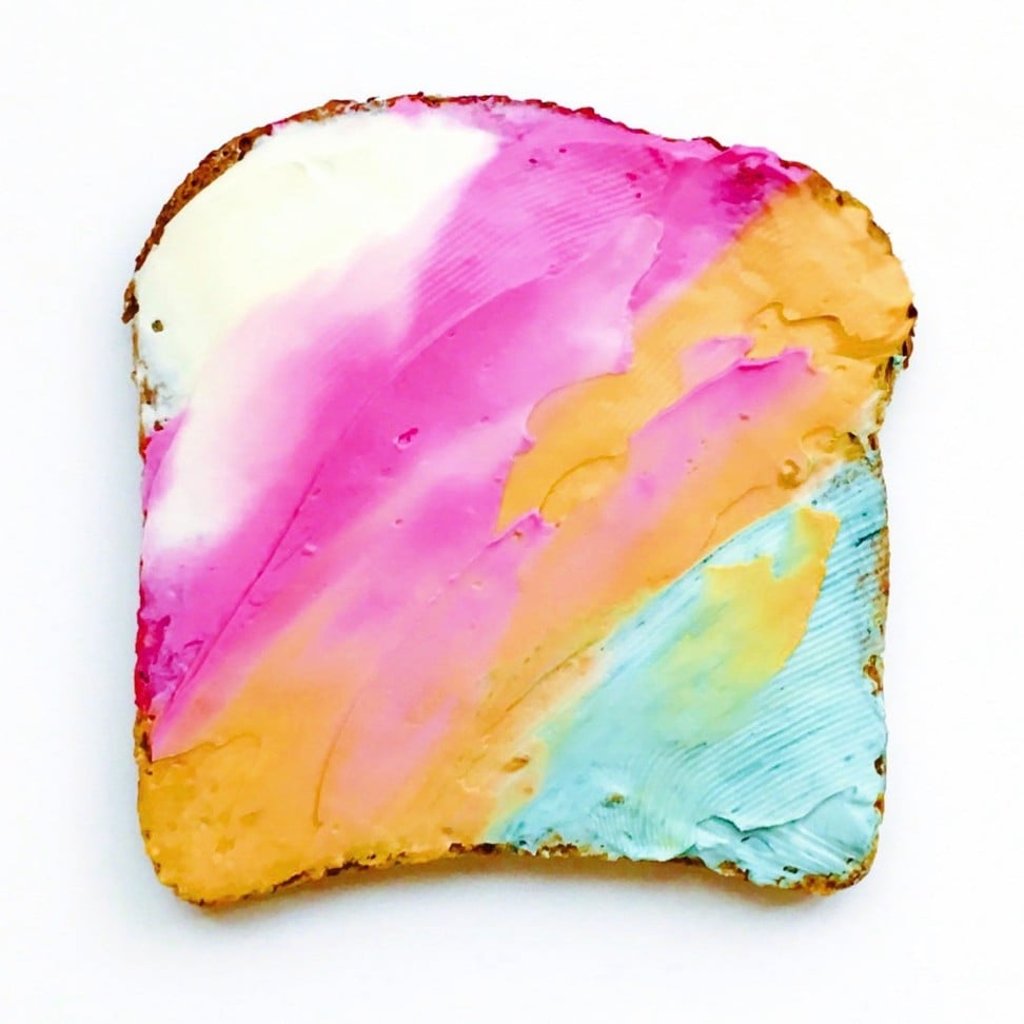
Food stylist Adeline Waugh’s eye-catching rainbow toast is credited with kick-starting the fad, after she posted it on her health and wellness blog Vibrant and Pure. It was both pretty and pretty healthy, spread with low-fat cream cheese coloured with natural dyes.
Instagrammer Michael Zee’s symmetrical breakfasts, huge in Hong Kong – how they became an internet sensation
It was an instant hit with her followers, who claimed it resembled the multihued mane of a unicorn. Suddenly, Instagram was awash in photos tagged #unicornfood.
The hugely popular toast post triggered a flood of other fanciful “unicorn” creations, such as iced cupcakes and bagels adorned with mini marshmallows and sprinkles. Even Starbucks joined the trend, coming out with its bold, pink-hued Unicorn Frappuccino.
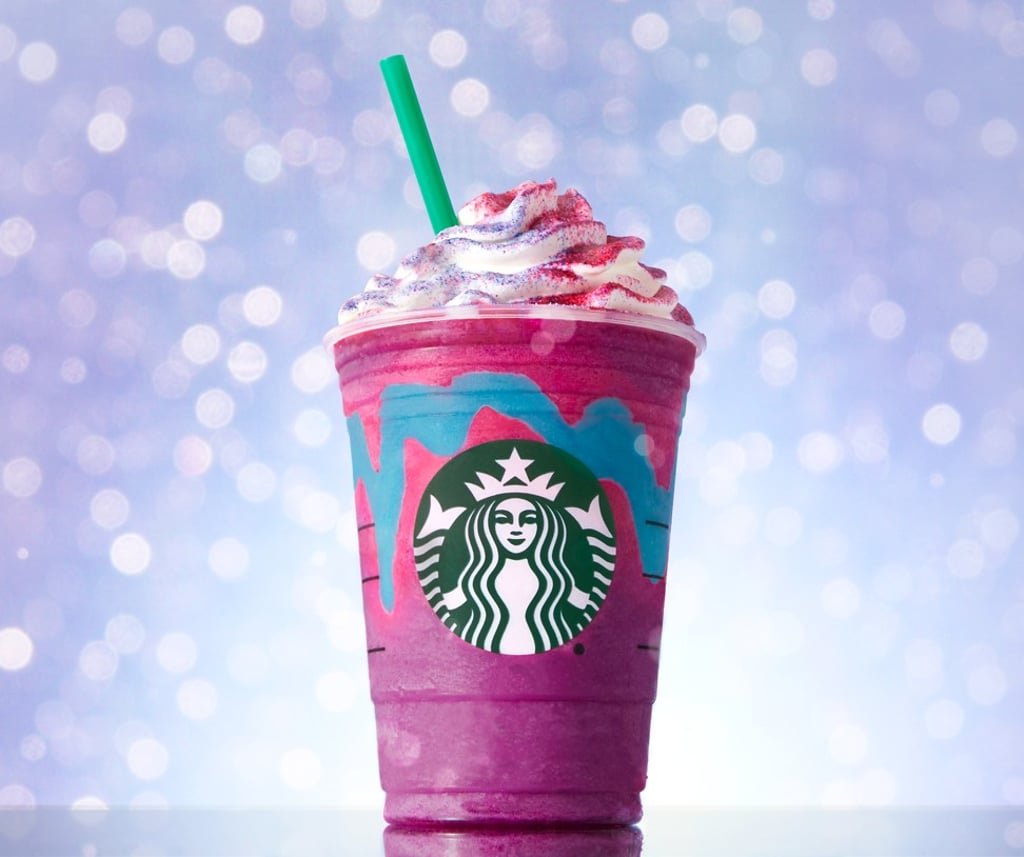
These treats hardly counted as “health food” – the Unicorn Frappuccino consisted mainly of milk, cream, syrups and fruit-juice concentrate, and the 700ml venti size delivered 500 calories, including 18g of fat and 75g of sugar. On the plus side, instead of artificial chemical dyes, the coffee’s colour was derived from real food – including turmeric, spirulina, cherry and sweet potato.
A return to Waugh’s original recipes reveals it is possible to whip up nutritious and delicious unicorn fare by using superfoods. Beets, sweet potatoes, turmeric, chlorophyll, spirulina, blueberries, matcha and blue-green algae are some of the all-natural foods high in vitamins and minerals that can be used to dye foods – including your own rainbow toast.