The Spam story: how the luncheon meat became a hit in Asia and beyond with its ‘taste of America’
- Loved from South Korea to The Philippines to Hawaii, Spam is eaten in 44 countries with 12.8 cans consumed every second, according to the company
- Fried, baked, boiled or braised, the pork-based luncheon meat was first a hit in the US during the Great Depression and then in Asia after World War II
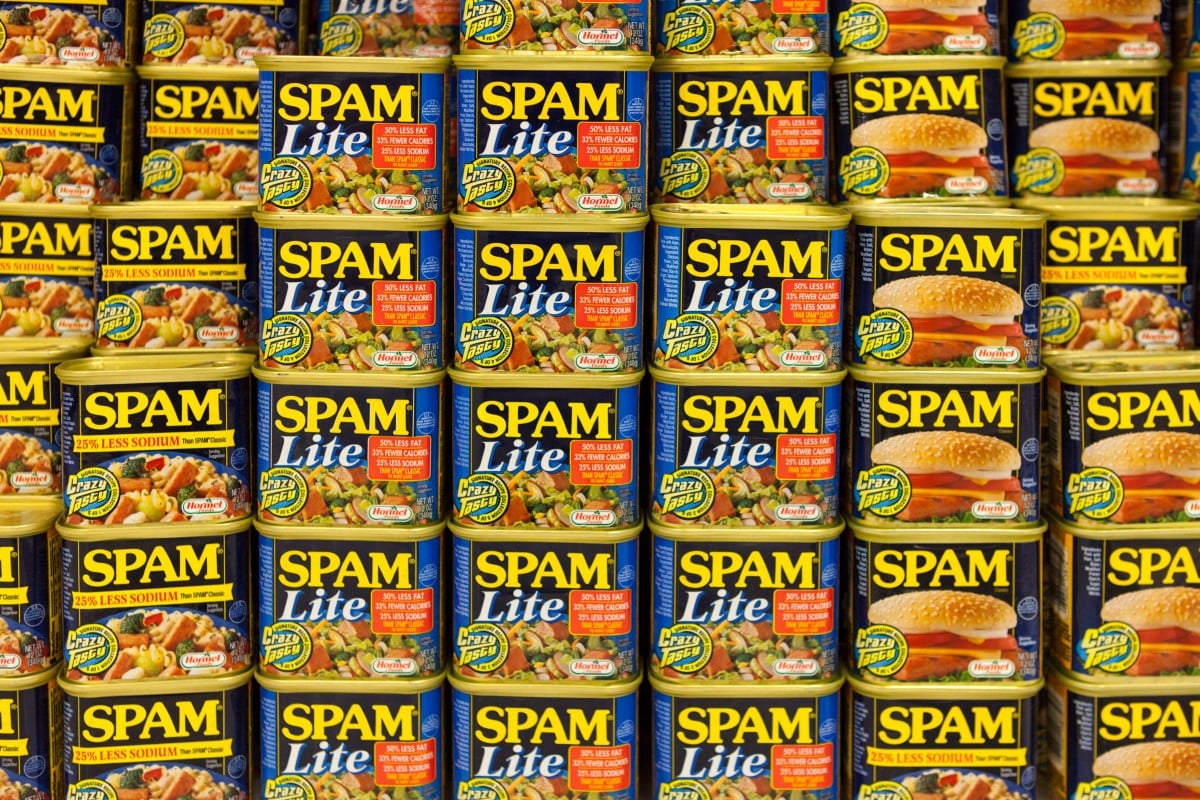
Once in a while chef Jordy Navarra opens a can of Spam and shaves off thin slices of the processed meat before frying them crispy, then laying the slices on top of a bed of rice. The dish takes him back to his childhood.
“All of us sort of grew up on it,” the 34-year-old Filipino says. “It’s something I remember fondly. It’s comforting, one of those few things that my mom would prepare for me. And in that sense I enjoyed it, just because it came from her.”
Generations of Filipinos love eating Spam regularly, typically sliced or diced then stir-fried and served on a bed of steamed rice, sometimes with a fried egg. But how did this all-American canned meat make it halfway around the world?
An American staple for more than 80 years, Spam’s success story is one of ingenuity and resourcefulness. The luncheon meat is now devoured in 44 countries worldwide but it first came to life in 1937 in the small town of Austin, Minnesota.