Grape & Grain | Hong Kong food pairings for sake: pasta, hotpot, barbecued meat – yes, Japanese spirit is bursting out of its confines at last
While wine is drunk with most foods in Hong Kong, sake was confined to Japanese restaurants until innovators such as Balinese restaurant Potato Head began matching it with other cuisines

In an era of barrel-aged artisanal beers and handcrafted micro-batch spirits, there’s a distinctive blur between beverage categories, even before taking a sip.
Enter sake. Is it “wine” or a “spirit”? Perhaps it is closer to beer? In a label-loving metropolis such as ours, identity is important.
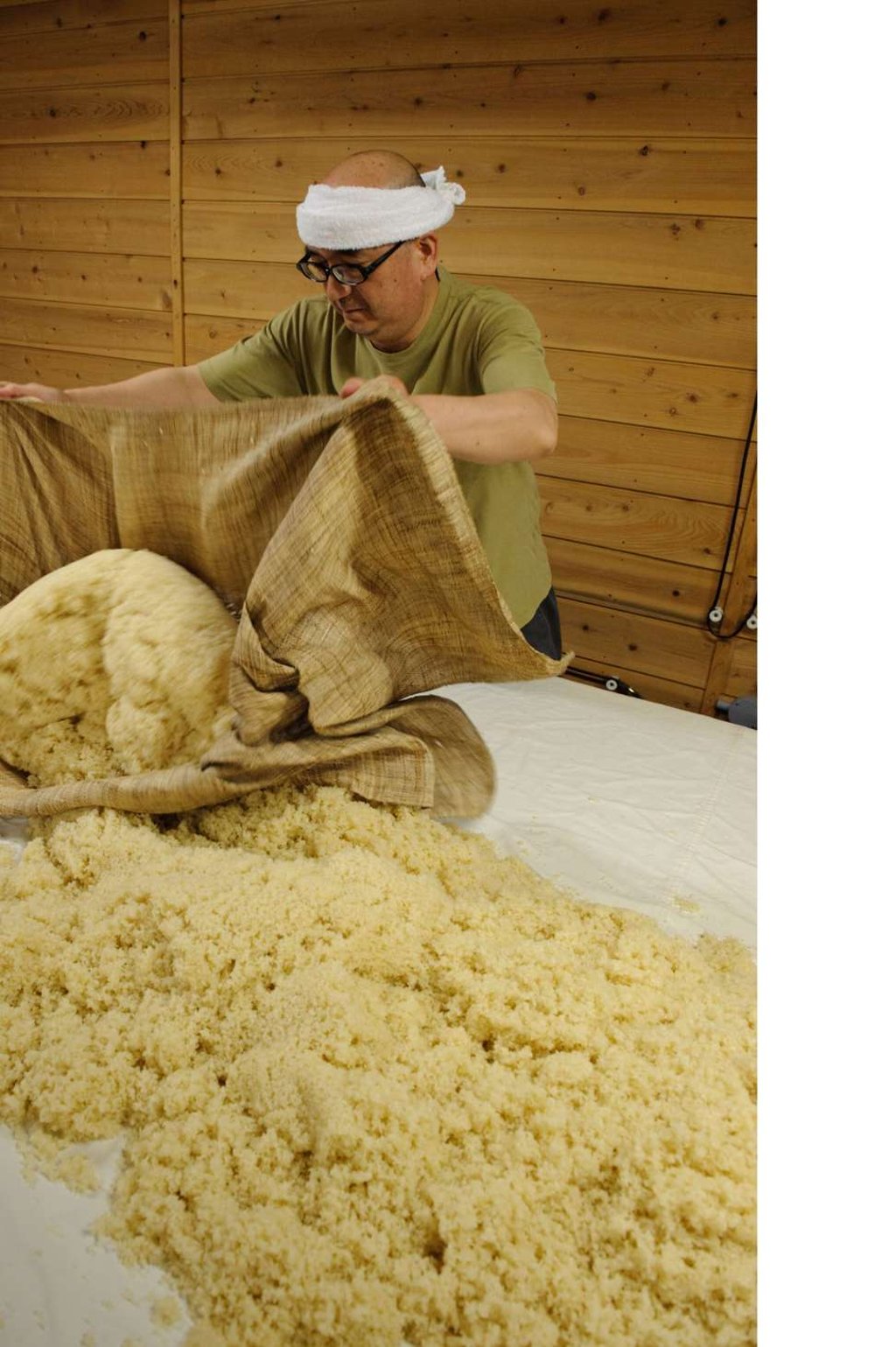
With “rice wine” an ever-popular nickname, many see sake as closest to its grape wine counterpart. Like wine, most sake breweries are “artisanal”, producing a handcrafted product using natural materials. Rice, yeast and mould form the basis of sake, which is akin to the main natural ingredients which constitute grape wine – grapes and yeast.
The traditional business model of sake also echoes winemaking, with many producers being family businesses. This multigenerational workforce ensures the longevity of traditions and a vested interest in long-term success. We see this repeatedly in wineries, particularly in Italy.