How natural dyes could solve fashion industry’s polluting practices, and the brands in Southeast Asia leading the way
- Plants, mushrooms, lichen, algae and more are being used to create natural dyes that don’t add to fashion’s incredibly harmful effect on the world’s water
- Natural dyes offer a charming spectrum of tones and shades, but mastering them requires a depth of knowledge and patience

The way fashion works right now is bad for the Earth. The astonishing rise of fast fashion over the last decade has created a monster; specifically, a monster that is one of the most environmentally harmful industries in the world, responsible for 10 per cent of global carbon emissions and the second-largest polluter of water worldwide after agriculture.
Every step involved in getting new clothes into the hands of consumers has its own issues, but one of the most damaging is textile production. According to the Intergovernmental Panel on Climate Change, textile production and dyeing consume around 1.5 trillion litres (396 billion gallons) of water annually, and are responsible for harmful textile waste and chemicals being dumped into surrounding waterways.
An example provided by the panel showed that one European textile-finishing company alone could use over 466g (1.03lb) of chemicals per kilogram of textile.
The good news is that this has not gone unnoticed. And while some have proved resistant to change, more fashion lovers and makers have been turning to slow fashion, which at its heart is the idea of independent makers eschewing the breakneck speed of the fast fashion model.
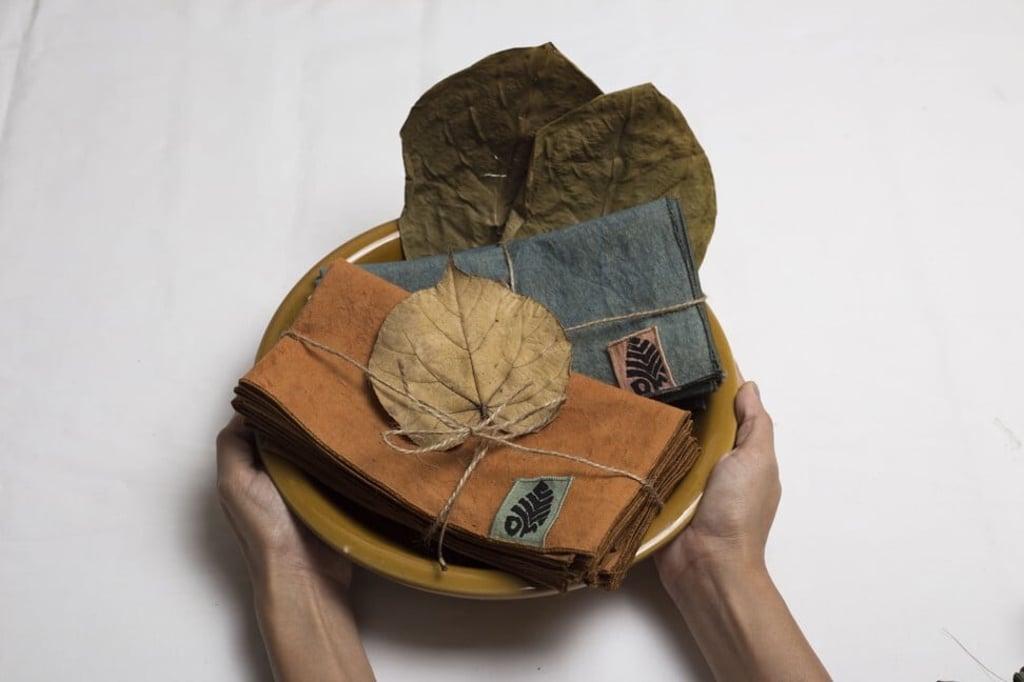
When speed and volume are no longer the driving motivation behind production, makers and designers can concentrate on creating fewer but higher quality garments, working with sustainable or repurposed textiles.
A key tenet of slow fashion is looking to local makers and supporting surrounding communities. In Southeast Asia, that has seen a return to traditional techniques that not only supports local communities, but revitalises practices that could otherwise have been forgotten. The result? Beautiful, sustainable wares with minimal environmental impact.