
From prison and poverty to Chinese emperor: the rags-to-riches tale of Liu Bingyi
Spared execution as a baby, imperial family member Liu Bingyi grew up a palace outcast, but this served him well after taking power in 74BC

In Belgium, Clement Vandenkerckhove, a 26-year-old former car salesman, has recently been formally recognised as the son of Prince Laurent, the younger brother of the country’s king, Philippe. Vandenkerckhove was born out of wedlock when his mother, the Belgian singer Wendy Van Wanten, and Prince Laurent had a relationship in the 1990s.
A DNA test confirmed the paternity, and a private ceremony earlier this year made Vandenkerckhove a prince of Belgium and gave him rights to his father’s private inheritance. But he will receive no royal allowance, perform no official duties and have no place in the line of succession.
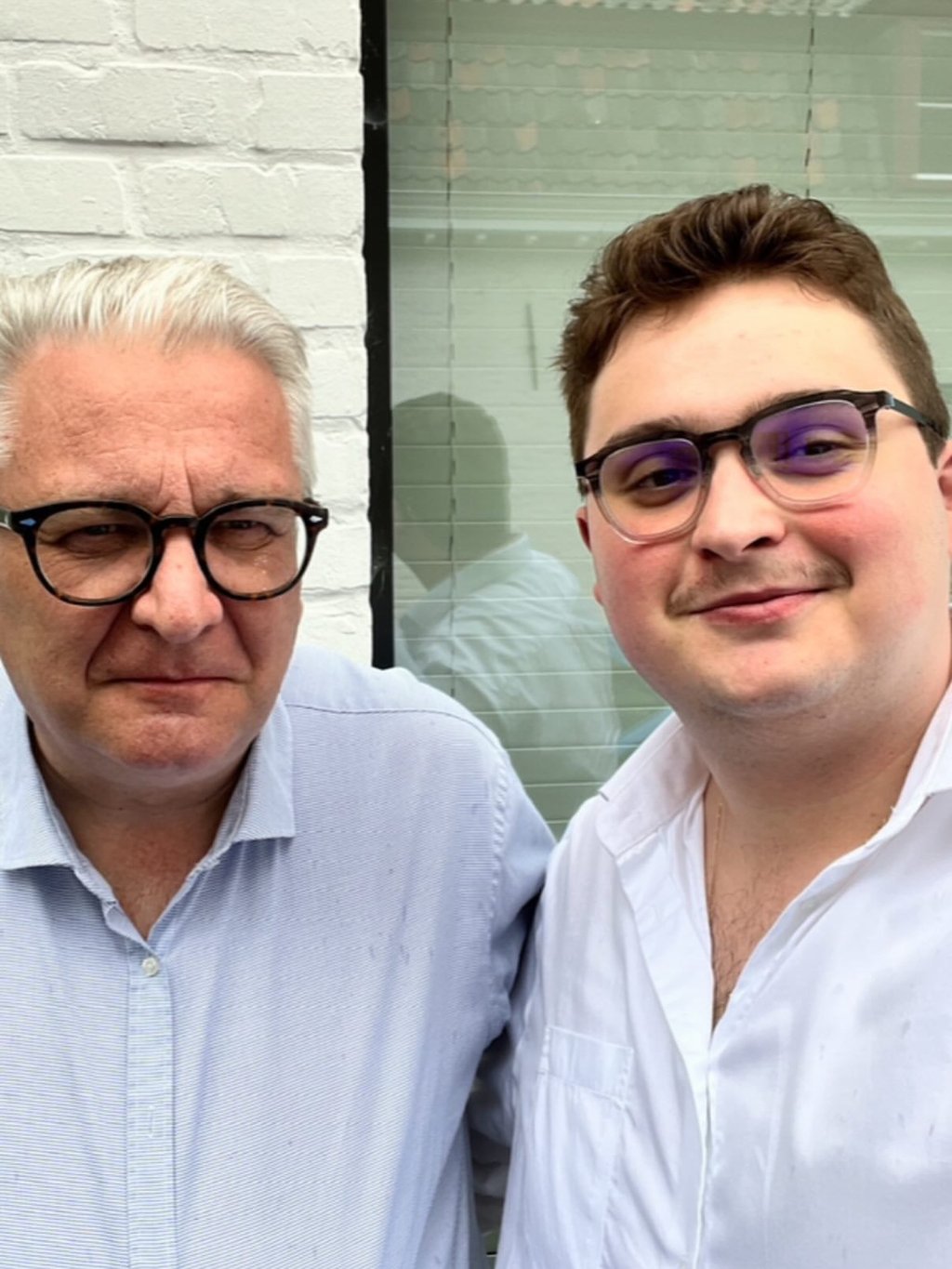
The idea of a man living an ordinary life before suddenly discovering – or reclaiming – his place among royalty is not new. More than 2,000 years ago in China, an even more remarkable version of this story unfolded. Its protagonist did not merely reclaim a title: he rose from imprisonment and obscurity to become emperor.
Few rulers in Chinese history had a more extraordinary path to the throne than Liu Bingyi, known in history as Emperor Xuan of the Western Han dynasty. Born into the imperial family, he was only a few months old when the witchcraft crisis erupted in 91BC.
His grandfather, Crown Prince Liu Ju, was accused of plotting against his own father, the increasingly paranoid Emperor Wu, who believed he was the victim of a conspiracy involving sorcery. The accusation resulted in the execution of Liu Ju and many other members of the family.
As a baby, Liu Bingyi escaped execution but was imprisoned. His survival owed much to Bing Ji, a prison official who at his own expense arranged for women prisoners to nurse and care for him, thus preserving the life of a prince of the blood.