
How Chinese society’s resilient moral framework has lasted nearly 3,000 years
The Zhou-dynasty ideals of family responsibility, propriety and self-cultivation remain woven into the very fabric of China today

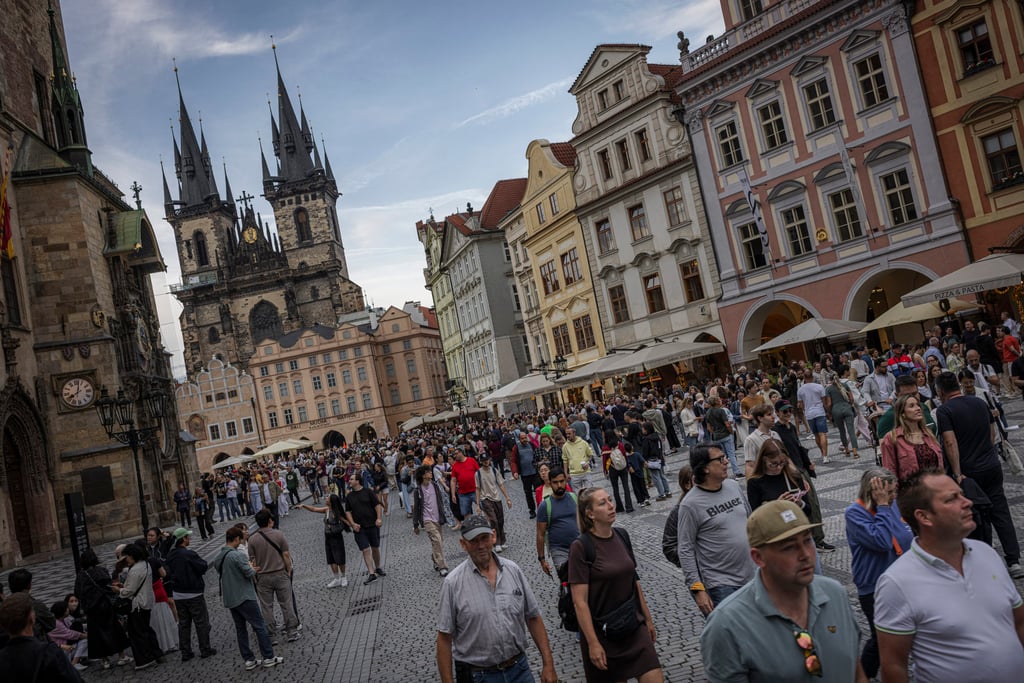
The Czech people are famously reticent with strangers, to the point that many of us would consider it rude. In shops and restaurants, getting a staff member to be helpful can feel like pulling teeth, while a smile is often out of the question. There is even a name for it: the Slavic Face – an icy, unsmiling expression that can come across as hostile and dismissive.
I have been assured that it is an “equal-opportunity” aloofness. It is bestowed on everyone alike: locals and foreigners, black, white or beige. Even Czechs themselves admit that they are a cold and distant people, keeping those outside their inner circles firmly at arm’s length.
Those days are long gone, but their legacy endures in certain aspects of Czech social behaviour. Even so, attitudes are changing. I have experienced warm, friendly service and unexpected acts of kindness from strangers in Czechia.
China offers another example of how a society’s everyday habits are shaped by a political ideology or regime. Anyone who has spent time there will quickly notice the importance attached to family relationships and knowing one’s place. Whether it is the way younger people address their elders or the expectation that family obligations take precedence over personal convenience, these behaviours are so embedded in everyday life that they are often taken for granted.