
After US birthright citizenship ruling, lessons from how foreigners once ‘became Chinese’
Trump’s bid to end birthright citizenship comes amid rising xenophobia. A look at how premodern China offered varied paths to assimilation

Questions about who belongs to a nation and how citizenship should be acquired remain as contentious today as they have ever been. The rise of xenophobic, far-right politics in many countries is an ugly consequence of this debate.
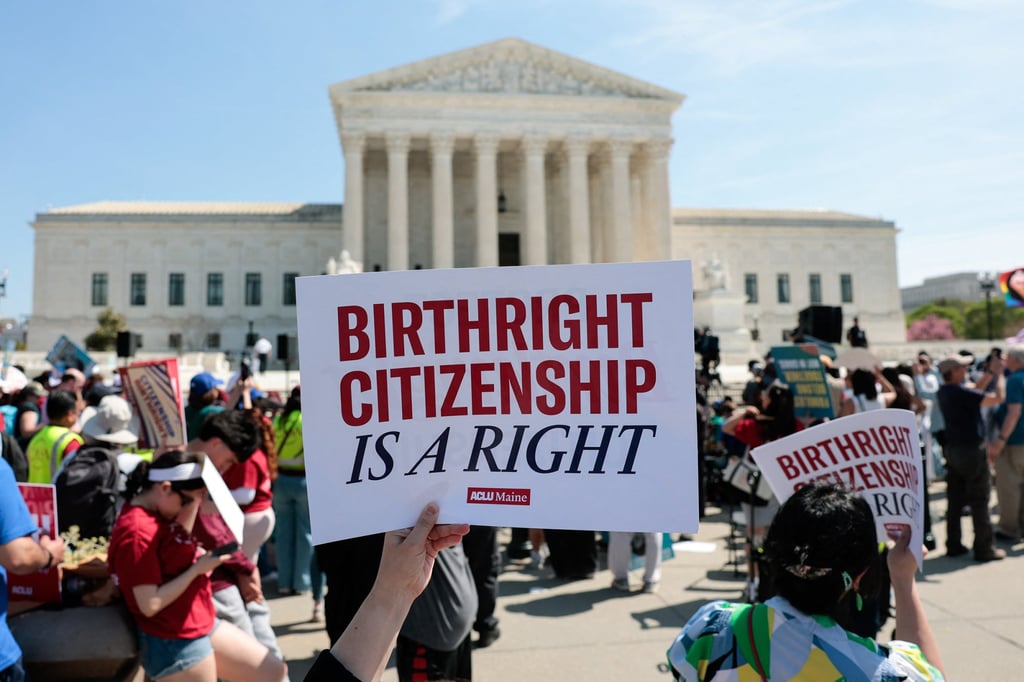
Yet the broader questions highlighted by the case – who can become part of a community, and on what basis – are ones that all peoples have attempted to answer, with varying degrees of success.
Like most premodern states, imperial China did not possess a nationality law in the contemporary sense, nor did it maintain a standardised legal procedure through which foreigners could apply for citizenship.