Advertisement

Reflections
How China’s coal mining industry evolved over history, as Shanxi disaster shocks country
From bamboo ventilation systems to steam power and beyond, China now leads the world in producing and consuming coal, but dangers remain
2-MIN READ2-MIN
Listen

Having lived his whole life in the modern cities of Singapore and Hong Kong, Wee Kek Koon has an inexplicable fascination with the past.
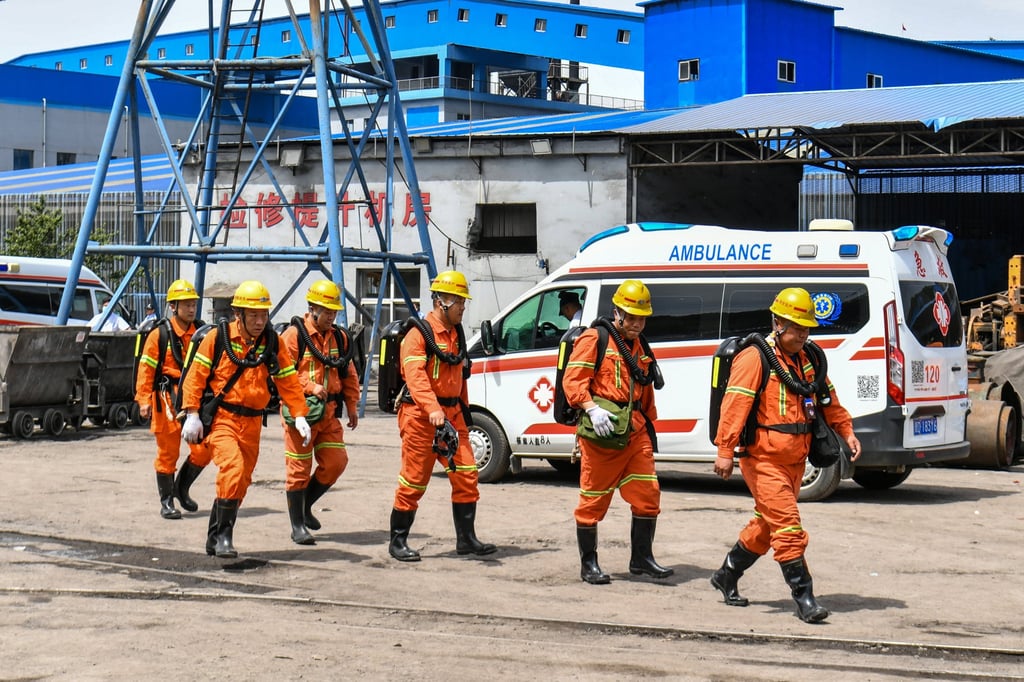
A coal mine explosion occurred in China’s Shanxi province last week. It was one of the deadliest in recent years, with 82 miners killed at the time of writing and many more injured. The details are familiar: a suspected gas blast, difficult rescue conditions, grieving families waiting above ground.
Much has been said about improved safety standards and stricter oversight in China’s coal industry, and much of it is true. Yet accidents like this continue to punctuate the sector, both within China and the rest of the world, with tragic regularity.
The terrible loss of human lives is a grim reminder that, for all of humanity’s technological strides, coal mining remains a very dangerous enterprise.
It is hard not to wonder what it must feel like to be a coal miner, to go underground each day, fully aware of the risks and the possibility that it may be the last time you see your family.
Long before it powered factories or lit cities, coal was already being used in China during the Han period (206BC-AD220) as a practical fuel, albeit in a very limited capacity. Without the know-how to dig deep and limited knowledge of the combustible substance itself, the only coal obtained was that exposed above ground. For centuries, wood was the main source of fuel.
Advertisement
Select Voice
Select Speed
1.00x