Advertisement

Language Matters
Gen Z loves ‘Chinamaxxing’, but where does ‘maxxing’ come from?
Chinamaxxing, lookmaxxing, moneymaxxing and gymmaxxing might be new terms, but the practice of ‘maxxing’ has been around for a while
3-MIN READ3-MIN
Listen

Lisa Lim has held professoriate positions at universities in Singapore, Hong Kong, Amsterdam, Sydney, and Perth, including as Head of the School of English at the University of Hong Kong.
Chinese New Year might soon be concluding, but that doesn’t mean you cannot continue this “very Chinese time” of your life.
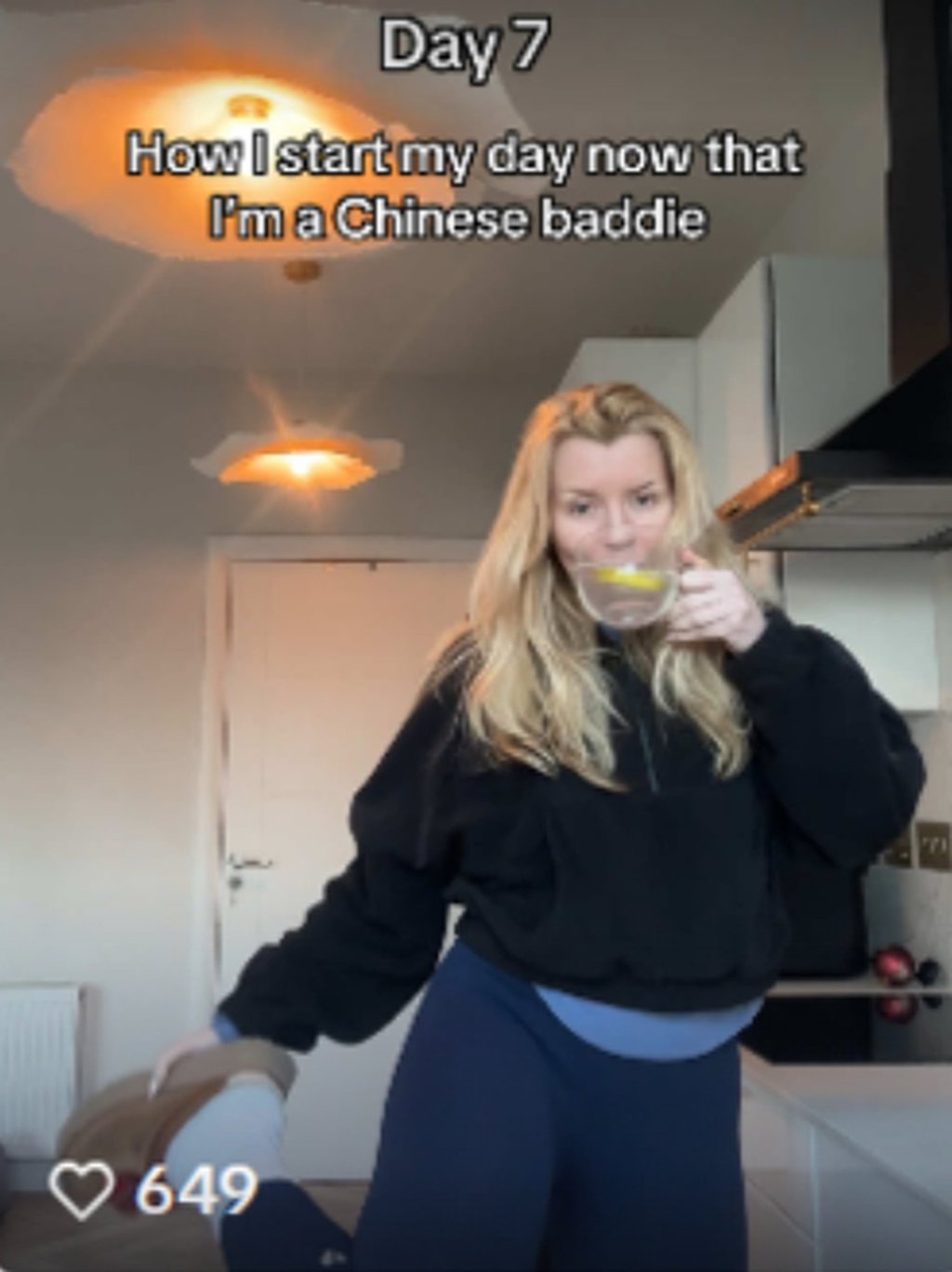
After all, we are in the thick of a social media trend of “becoming Chinese”, popularised by Gen Z, in which the norms and traditions typically associated with Chinese culture are embraced, particularly by non-Chinese in the West: sipping hot water, wearing house slippers, consuming traditional Chinese medicine, acquiring “made in China” products, practising tai chi …
Such “Chinamaxxing” has come to global attention in recent times. It was sparked by X user @girl__virus’ post in April 2025, stating, “you met me at a very chinese time in my life” – a parody of Fight Club’s “You met me at a very strange time in my life” – and Chinese-American TikTok content creator Sherry Zhu’s tongue-in-cheek instructions on becoming a “Chinese baddie” a few months ago.
The practice of “maxxing” itself, however, has been around for a while.
First, before maxxing, there was max. As a clipping of the noun or adjective maximum, in use from the mid-1800s, you could spend US$200 max, or push yourself to the max. Clipping the verb maximise, you could, by the 1870s, max it. Later, from the 1970s onwards, as a phrasal verb, your car engine could max out at 7,000rpm, or you could max out at the gym or max out all your credit cards.
Select Voice
Select Speed
1x
AI-generated voice