
Shaolin Temple scandal would have led to far harsher reactions in ancient China
The resolution of the temple’s recent shameful episode is much more civilised than the violent purges of Buddhism in China’s history

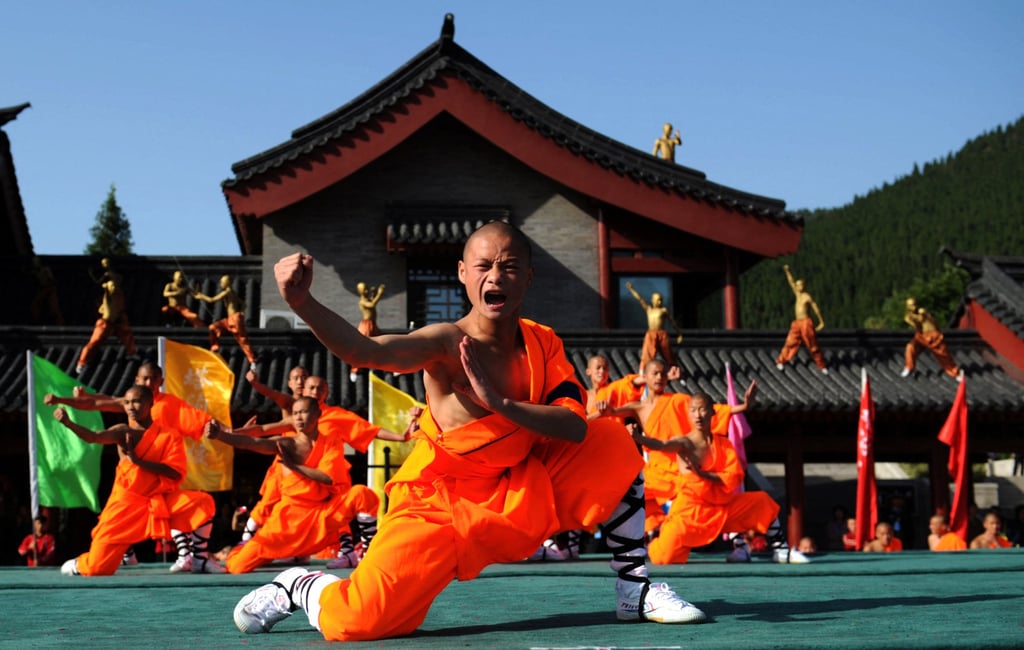
Besides its famed martial arts techniques, the Shaolin Temple is usually portrayed as showing the peak of moral leadership over the denizens of jianghu, the “rivers and lakes” – a parallel universe of martial arts schools, secret societies and religious fraternities – in novels, television dramas and films.
The civilised resolution of this shameful episode – which, sadly, occurs in similar manners in almost all organised religions – is much more enlightened than the violent purges of Buddhism in China’s past.
The four most infamous of these episodes occurred during the reigns of Emperor Taiwu of the Northern Wei dynasty in the fifth century; Emperor Wu of the Northern Zhou in the sixth, Emperor Wuzong of the Tang in the ninth; and Emperor Shizong of the Later Zhou in the 10th.