3 million mosaic pieces later, artist Sung Tieu asks Germany to ‘wake up’ to its immigrants
The Vietnam-born, Berlin-based artist explains how her transformation of the 2026 German pavilion at Venice reflects immigrant experiences

The studio is divided into two rooms: one for “messy work”, with tools, wide tables and raw materials; the other is a more office-like space that doubles as a library. Tieu hesitated over which felt cooler, then settled on the office for our conversation.
By then, the German Pavilion at the 61st Venice Biennale had been open for two months, yet Tieu is still processing the reactions to her very personal contributions.
“Ruin”, the exhibition the 38-year-old co-conceived with the late artist Henrike Naumann, and which was curated by Kathleen Reinhardt, has drawn both popular and critical acclaim.
The pavilion’s exterior is entirely covered in Tieu’s Human Dignity Shall Be Inviolable (2026), a 1:1 mosaic-tile replica of the facade of the housing block on Berlin’s Gehrenseestrasse where she and her mother once lived.
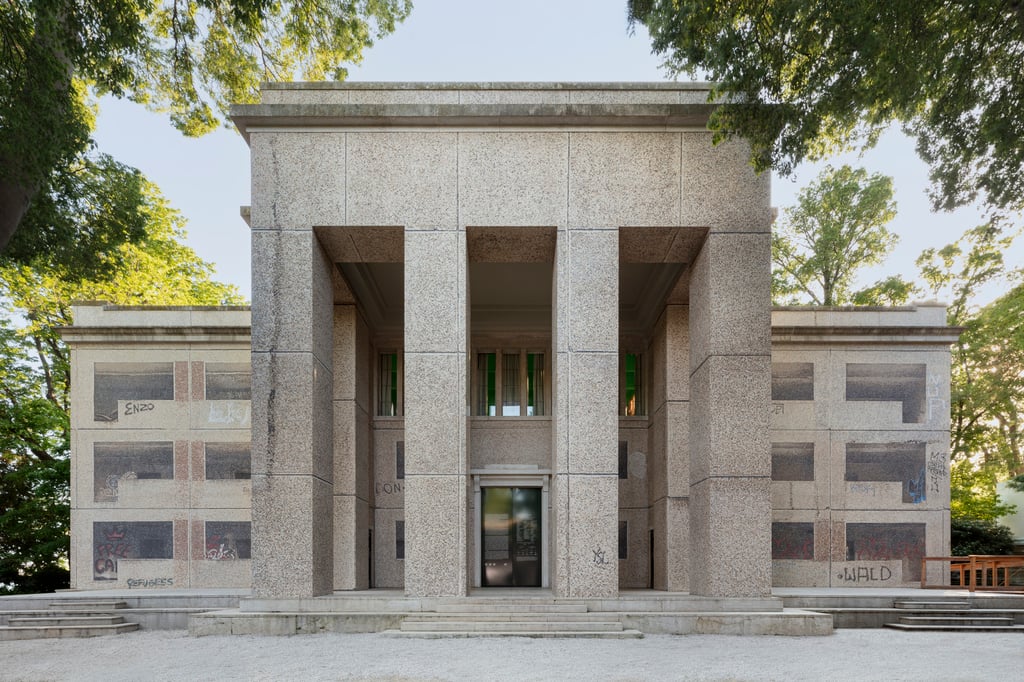
The original building is a Plattenbau – a structure made of pre-fabricated concrete slabs typical of East Germany – that housed migrant contract workers from Vietnam, Cuba, Angola and Mozambique in the 1980s. It has been unoccupied since 2002.