How KPop Demon Hunters took inspiration from Korea’s female shamans who scare away spirits
Korea’s real-life shamans, the inspiration for KPop Demon Hunters’ girl group Huntrix, have a history dating back thousands of years

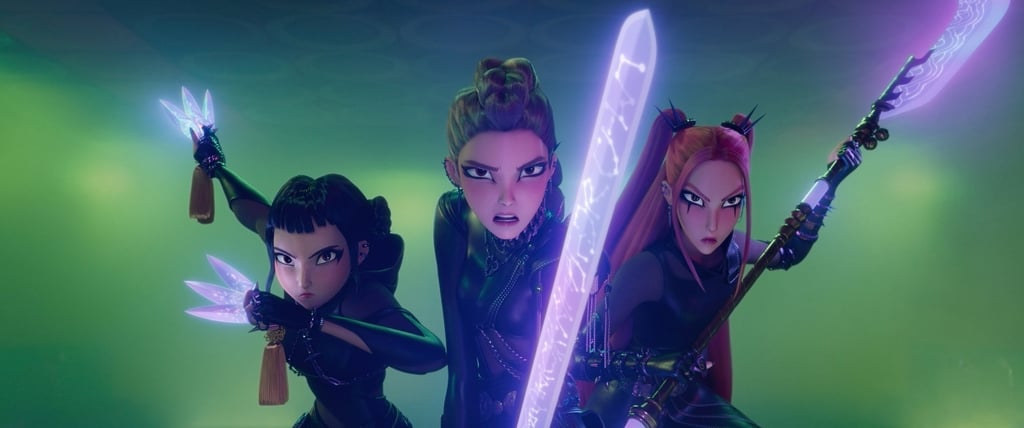
Girl group Huntrix, the main characters of Netflix’s animated film KPop Demon Hunters, are not your typical K-pop act.
On the surface, they are wildly popular Korean idols who charm their fans with catchy tunes and electrifying dance choreography. Beneath the glitz and glam, however, are three strong warriors who use their song, dance and magical weapons to slay demons and to reinforce the honmoon – a barrier between the human world and the demon one.
To this day, mudang have specific religious and social roles, and conduct rituals known as gut to appease spirits, divine fortunes and heal illnesses. There are at least 300,000 – some figures estimate up to 800,000 – mudang in South Korea today.
Music and dance, the key similarity between real-life mudang and Huntrix, are central to gut rituals. While there are many types of gut held for different purposes across different regions in Korea, the two main categories are those held for the living and those held for the dead.