Russian mammoth ivory hunt grows in face of elephant tusk ban – but can it help save Africa’s endangered herds?
Adventurers in northern Russia are on the hunt for ivory from extinct woolly mammoths in the melting permafrost. Once excavated, the tusks are sold to dealers in Hong Kong as a replacement for elephant ivory

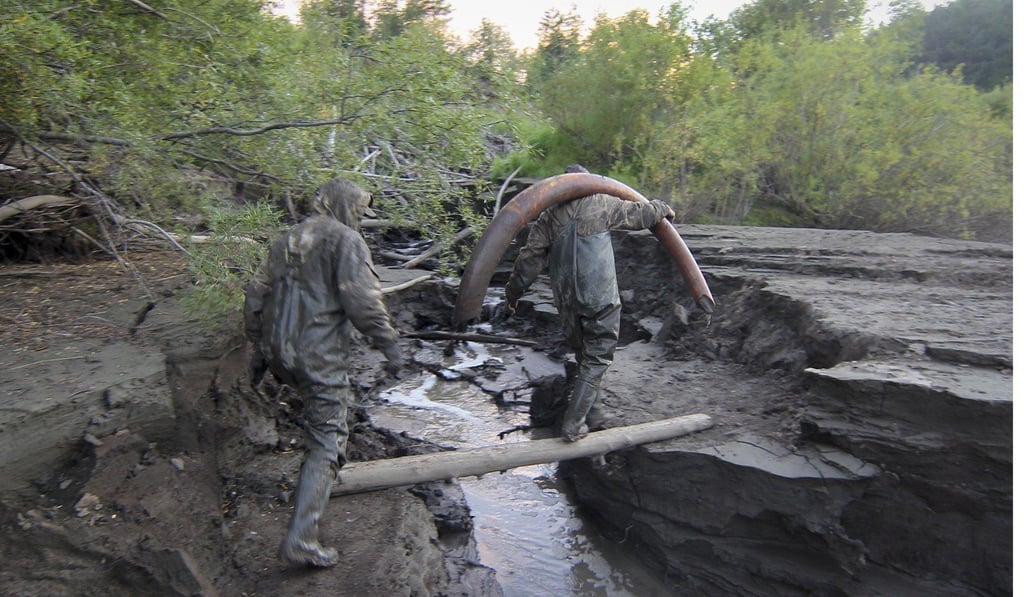
In the remote tundra and boreal forests of northern Russia, droves of explorers ply the rivers on speedboats, often carrying little more than makeshift water pumps, provisions to survive for a few days, and weapons to scare off wild bears.
They hope to unearth a treasure that has been lying beneath the frozen ground for thousands of years, and – like gold diggers in the Wild West – they are lured by tales of fortunes made in a single day.
They are not looking for gold, though. They are searching for the remains of an animal that roamed the frozen steppes during the last Ice Age – the woolly mammoth.
The demand for mammoth ivory in Hong Kong and China has been boosted by a clampdown on the trade of tusks from the endangered African elephant – a material used to carve intricate sculptures and figurines.
The jury is still out on whether this substitute can stop the poaching of African elephants, however. A recent study suggests the mammoth ivory trade has reduced the slaughter, but some experts warn mammoth tusks may be helping to raise the “overall demand” for ivory – and it could be used as a guise to “launder” ivory from Africa.