Why Ninetta’s orange carpaccio is Hong Kong’s most unlikely new Italian dish
Chef Marco Xodo brings a refreshing Sicilian-inspired winter salad to Hong Kong’s sweltering summers – with a Venetian twist

“Fine dining teaches rigour, precision, and respect for ingredients,” Xodo says. “But the heart of Italian cuisine lives in the trattoria. Moving towards more casual concepts is a conscious choice to strip away the stiff formality of fine dining. It is a step closer to the authentic spirit of an Italian kitchen.”
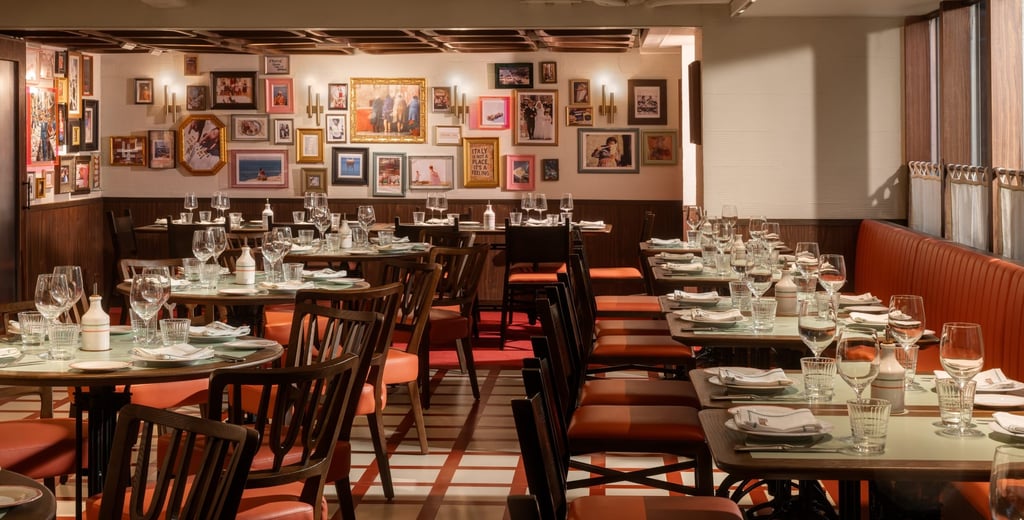
That commitment to unpretentious warmth explains the restaurant’s playful, nostalgic decor. “The choice of the 1980s and 1990s aesthetic is deeply personal,” Xodo explains. “That is simply the period we grew up in, a time when Italy was experiencing incredible cultural vitality. That vibrant energy translated directly into the lively neighbourhood trattorias and family homes of our youth. Food was always the thing that brought people together around a single table.”
That philosophy finds perhaps its purest expression in a dish that captures Ninetta’s balance between rustic tradition and subtle fine-dining technique: orange carpaccio. On paper, it reads like a dare: fruit and fish, vinegar and citrus, chilli and dill. It sounds weird. Yet stopping at the menu description misses everything Xodo is trying to say about Italian culinary identity.
The idea comes from the orange salads typical of southern Italy. Insalata di arance has been a staple of Sicily’s tables for centuries. Its history is inseparable from the island’s unique position as a crossroads of cultures. “In the ninth century, Arab rulers introduced bitter oranges to Sicily, fundamentally reshaping the island’s culinary landscape,” Xodo explains. Over centuries, Sicilians crossbred these with sweet oranges. Local peasants would pair the abundant citrus with cheap coastal staples like salted anchovies, wild fennel and local olive oil to create a refreshing, hydrating winter salad that has never really gone out of fashion.
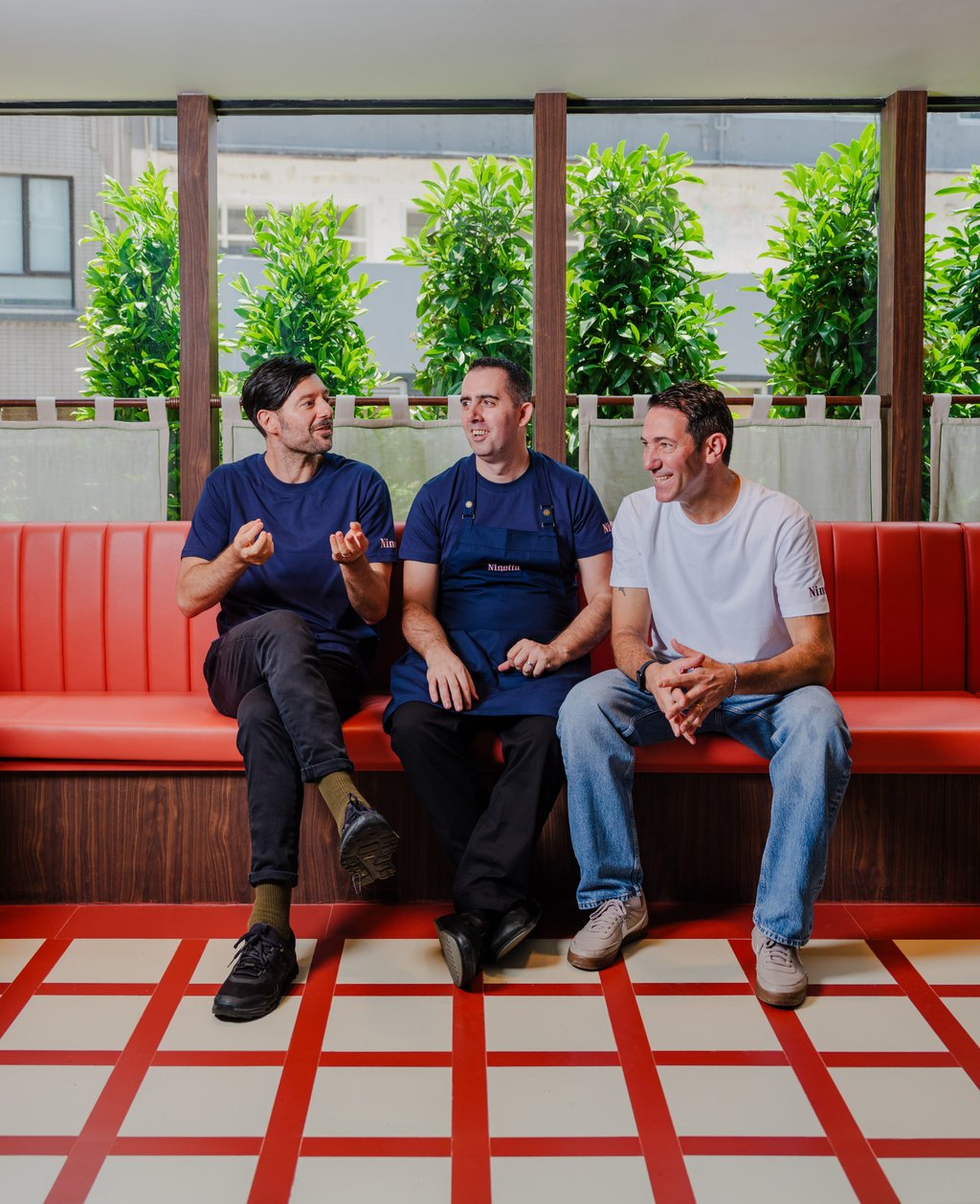
For Xodo, the dish is also deeply personal. He was born in Seregno in northern Italy, and his heritage straddles the country’s north-south divide. “Half of my origin is from the south, from Calabria,” he says. “From my grandmother’s house balcony, I could see Sicily and Mount Etna. That’s why I try to mix the peculiarities of both cuisines.”