Sai Kung: a launch pad for some of Hong Kong’s biggest F&B names
A number of family restaurants took off in this seaside neighbourhood before becoming household names with venues across the city

For more than three decades, this coastal enclave has quietly functioned as one of Hong Kong’s most reliable culinary launch pads – a place where small, often family-run businesses test their footing before expanding citywide.
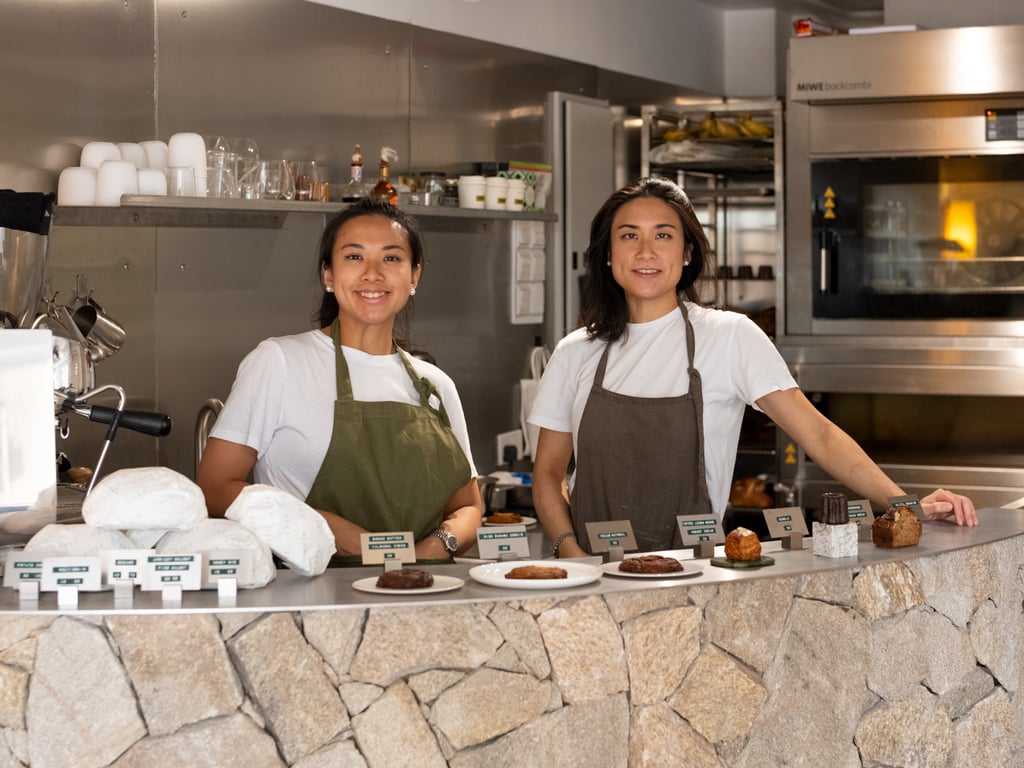
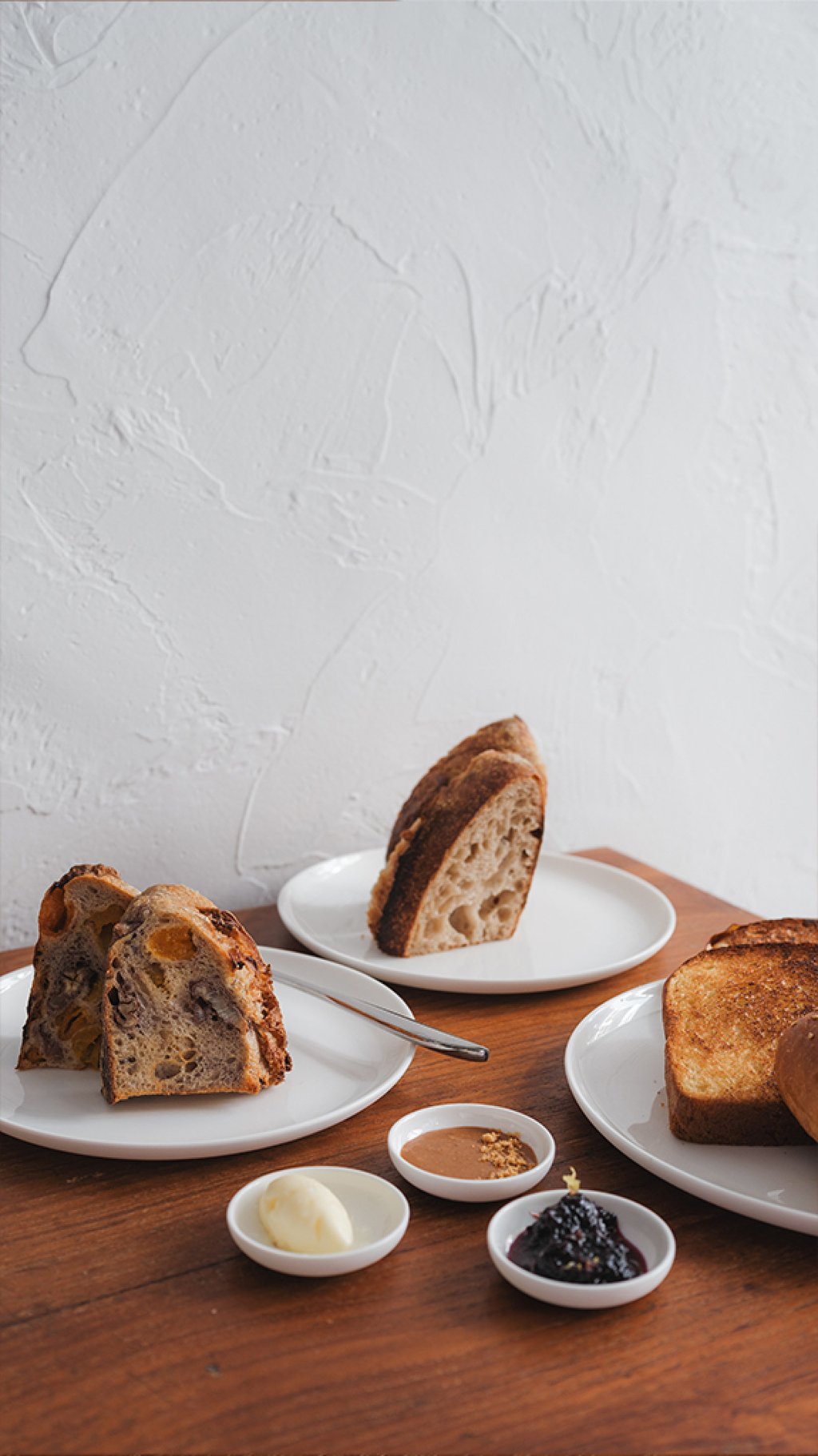
Opening in Sai Kung allowed them to grow deliberately. “Everything about Cuít makes sense here – the slower rhythm, the produce-led way we cook, the feeling of the room, even the kinds of regulars who come back,” Tiffany adds. In a district where word of mouth travels fast and regulars return every weekend, that trust becomes the foundation for expansion.
The pattern stretches back decades. Local Sai Kung company Castelo Concepts, founded by the late Wayne Parfitt in 1992, began with Pepperoni’s in Sai Kung and went on to open Jaspas – also in Sai Kung – St Barts and over 90 more venues across Hong Kong and Vietnam. Parfitt, according to his obituary, “would have a go at anything” – from launching Jaspas Beach Club and a fleet of Jaspas Junks to buying a cattle farm in Australia to supply his kitchens.
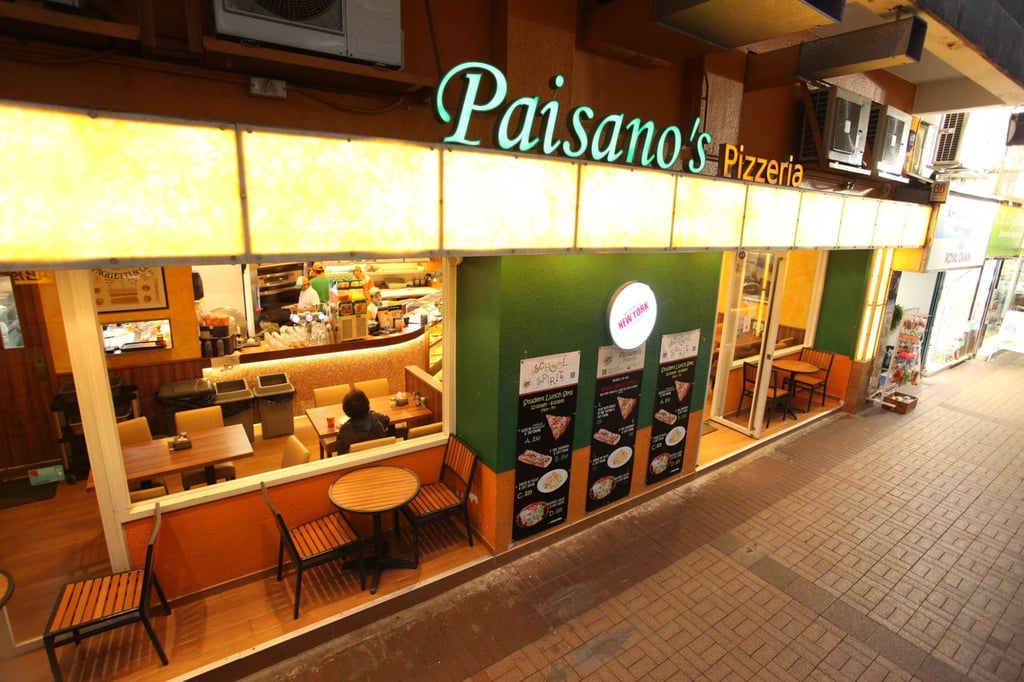
Following that model, Honeymoon Dessert opened here in 1995, long before its mango pomelo sago became a citywide staple. Paisano’s came next, in 2009, when Al Morales launched his New York-style pizzeria known for its gigantic 24-inch slices.
Little Cove – a popular Australian-inspired brunch spot – launched in Sai Kung’s Old Town in 2015, and moved to its now-iconic larger waterfront space in 2018, later expanding into Pacific Place and Kennedy Town.
Live Zero, Hong Kong’s first zero-waste store, was founded by Tamsin Thornburrow, who also grew up in Sai Kung. Though it began in Sai Ying Pun, she later opened a (now closed) branch in Sai Kung. “Sai Kung’s strong community spirit and connection to nature made it a natural starting point,” she says. “It gave us an authentic, supportive foundation and allowed us to grow organically before expanding.”