Dish in Focus: Aged rice duck à l’orange at Épure
At Épure in Hong Kong, head chef Aven Lau reimagines French classic duck à l’orange with Asian sensibilities – here’s how he does it

“I’m not French, so why force French ingredients?” Lau quips, a philosophy that crystallised early in his career. Though trained in French techniques, his culinary imagination remained fundamentally inspired by the flavours and principles of Chinese cuisine. “As I matured as a chef, I found many more interesting ways to cultivate this interest,” he explains. “I wouldn’t say that the food I prepare here is fusion food. Rather, we approach cooking with a sense of place, culture and time.”
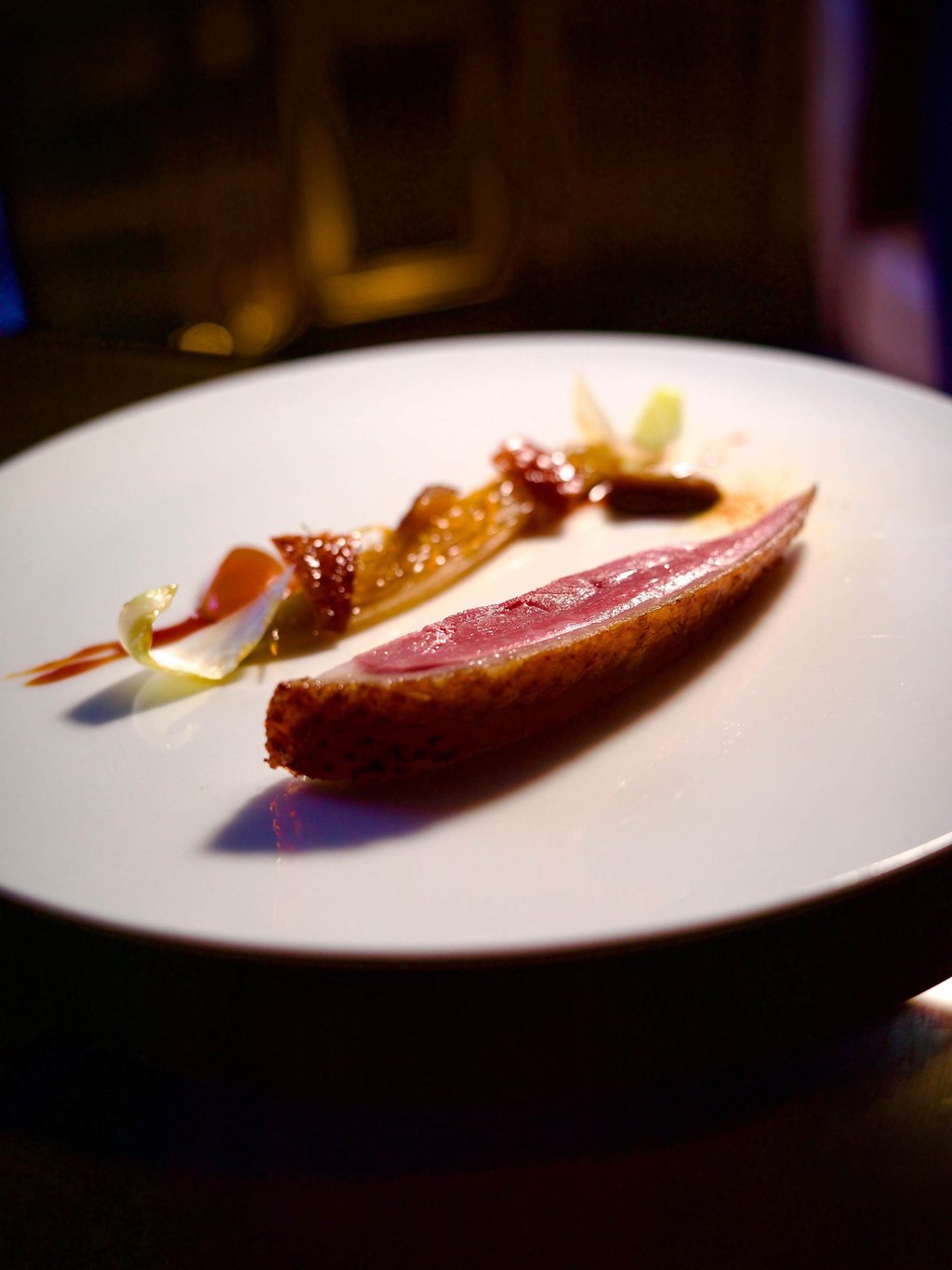
This “aged rice duck à l’orange” represents the ultimate expression of that ethos – what Lau describes as “cooking closer to my roots as a Chinese person”, using ingredients that resonate with local palates. This philosophy begins with his selection of Guangdong rice duck, which Lau notes possesses a fundamental distinction from French varieties: Asian ducks are fully bled during processing, resulting in a “cleaner, less gamy” flavour that aligns perfectly with regional preferences.
Refining this duck took a seven-month odyssey of relentless experimentation. The development path involved tasting more than 80 ducks and spending countless hours researching techniques online, even on RedNote. “There were times when I thought I would never achieve the vision I had for the duck,” he admits. His solution emerged as a meticulous 14-day dry-ageing process. The monumental challenge extended beyond mastering the technique to solving the operational puzzle of consistently dry-ageing ducks in Hong Kong’s humid climate, a feat that ultimately required investing in a dedicated ageing fridge.
“What dry ageing does is essentially remove moisture from the skin, making it more consistently crispy,” Lau notes. This crucial step intensifies the flavour and firms the meat. The final, impossibly crisp, Peking duck-style crackle is then achieved through a process of brining, a maltose-vinegar treatment, and high-temperature roasting.