Southern Turkey’s Hatay cuisine: how a Mediterranean hub on the Silk Road gave birth to 600 dishes
A Unesco City of Gastronomy, Hatay is famed for its rich culinary heritage blending Mediterranean, Middle Eastern and Anatolian flavours

Sandwiched between the Mediterranean Sea and the northwestern corner of Syria is Turkey’s southernmost province, Hatay, a region known for its beauty, cultural diversity, storied past and distinctive cuisine.
Settled since at least the early Bronze Age, the region has been controlled by the Akkadians, the Hurrians, the Assyrians, the Macedonians, the Byzantines and the Ottomans, among others. The province’s capital, Antakya – known in Roman and medieval times as Antioch – was built by one of Alexander the Great’s generals around 300BC, becoming one of the largest cities in the Greco-Roman world. The word “Christian” was even coined here, according to the New Testament, Paul (formerly Saul) having taught in Antioch and used the city as a base for his missionary journeys.
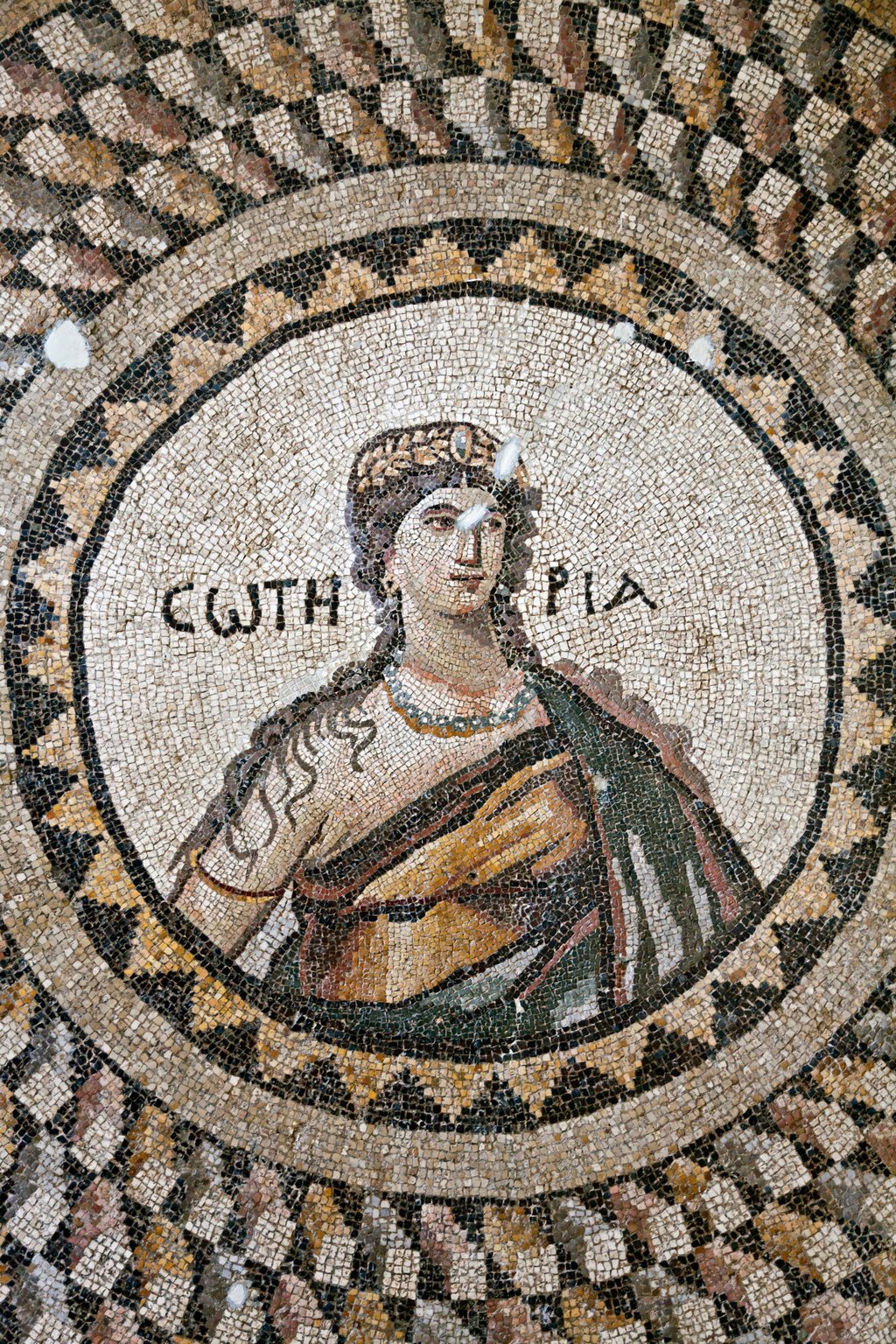
Antakya’s role as a mercantile hub over centuries – it was a gateway on the Silk Road to the Mediterranean – meant it welcomed many nationalities. Hatay was incorporated into the Turkish Republic as recently as 1939, with a large Arab population who speak Levantine Arabic and Turkish, and a multireligious community of Muslims, Christians and Jews. This diversity is also evident in the cuisine of the region – a blend of Mediterranean, Middle Eastern and Anatolian flavours and ingredients.
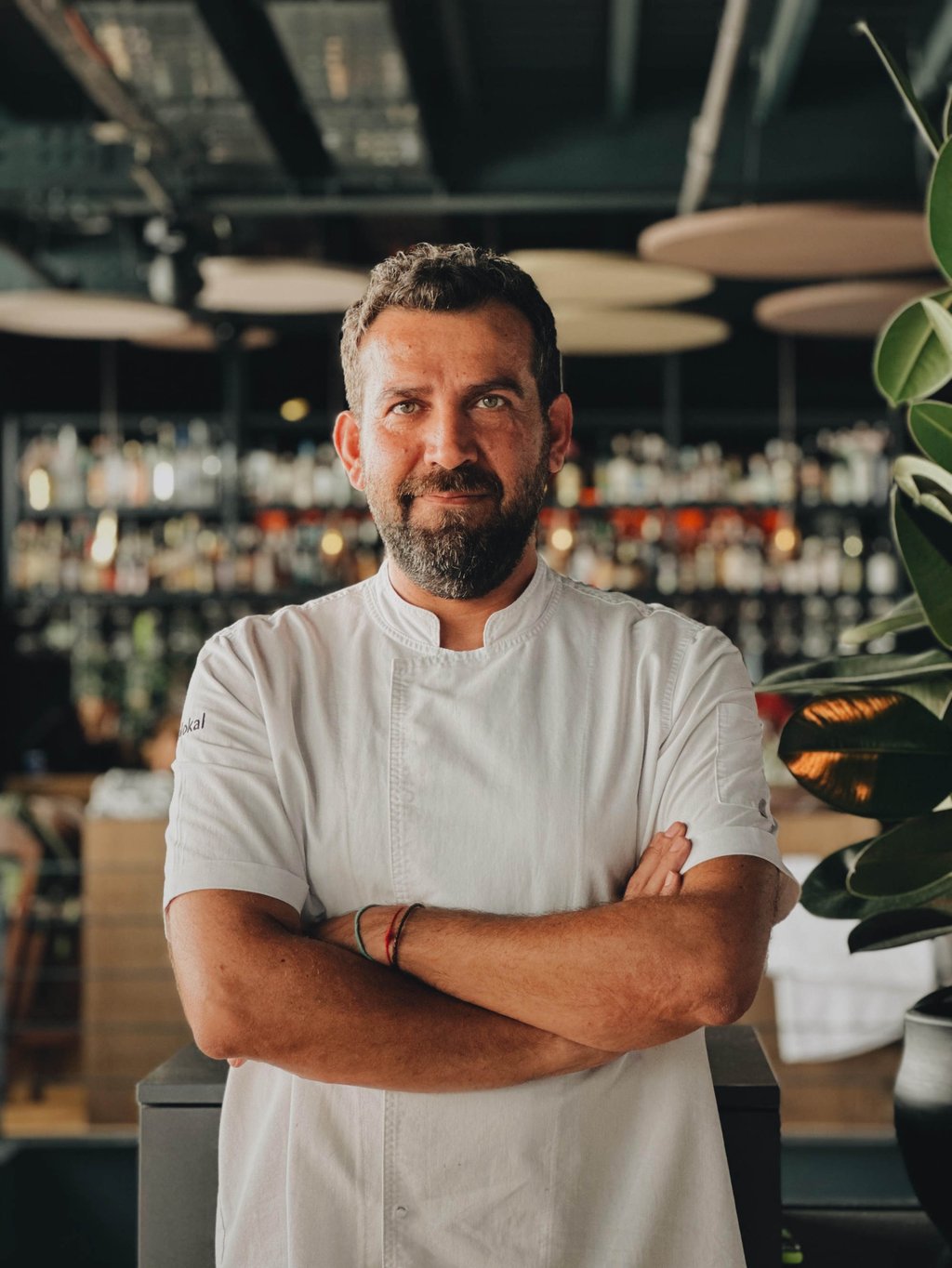
The terrain of Hatay province is varied. “Having a vast plateau, the Amanus [Nur] Mountains and the Mediterranean, the high and low altitudes give us the opportunity to grow our own produce,” says Antakya native Maksut Aşkar, chef-owner of Neolokal, a Michelin-starred restaurant in Istanbul. Vineyards, spices, herbs, olives, figs, oranges, lemons, legumes and vegetables abound in this mild climate and fertile soil. This bounty features in Hatay’s rich cuisine, with its more than 600 unique dishes. This led the province – which is also a metropolitan municipality – to be named a City of Gastronomy in 2017 within the Unesco Creative Cities Network.
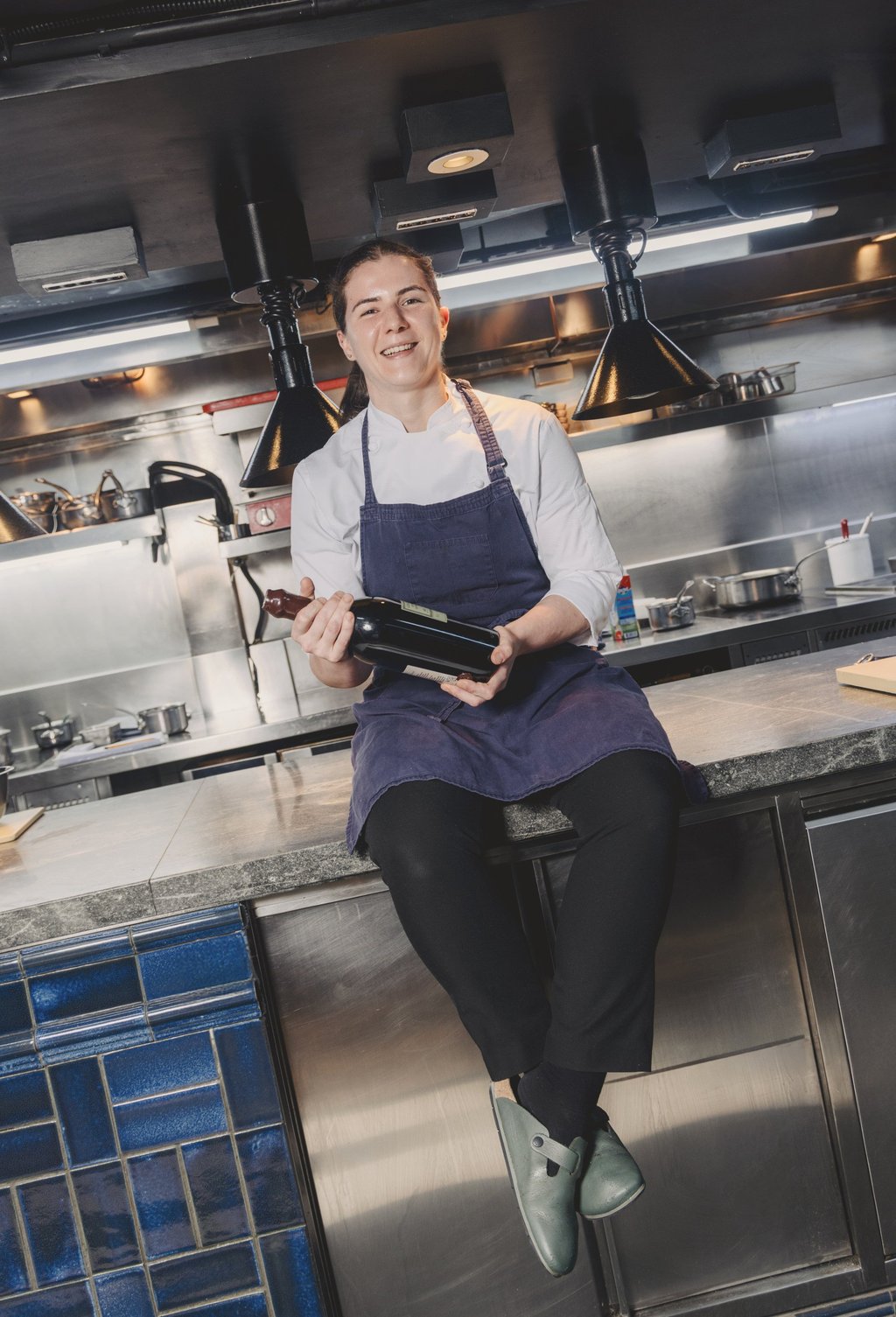
“The food in Antakya is bold. It’s one of the few places that nails the balance between acidity, spiciness and richness,” says Istanbul-born chef Mina Güçlüer, who helms acclaimed restaurant Belon in Hong Kong. “Despite appearing hearty, the dishes never feel heavy. They achieve a distinct acidity that adds complexity while keeping things light and refreshing.”
This complexity is often derived from the spices and herbs intrinsic to Hatay cuisine. Mahaleb – ground from the mahaleb cherry seed – locust powder, fennel, basil, nutmeg, sumac, cumin, and za’atar – a spice blend that includes sumac, sesame seeds and thyme – are just some of the flavour enhancers found in Hatay mezze, meats, salads and even desserts.
“Herbs and spices are very important in Hatay cuisine, to flavour the dishes naturally,” says Turkish food writer and cooking teacher Özlem Warren, who grew up in Antakya. “The hummus prepared with Antakya’s award-winning olive oil, [garnished] with pickles and spices from the region, for instance, is memorable and different from any other.”
These herbs and spices add a multiplicity of flavours. “Biber salçası (chilli paste) adds a rich, slightly sweet flavour with a mild heat, and is often used in marinades, kebabs and stews,” says Güçlüer. “Mint brightens dishes and helps balance richness with freshness,” she adds. Sumac also delivers a citrusy tang that enlivens a dish, while cumin provides warm, savoury notes that make spice blends heartier and more aromatic.
“We commonly use cumin, coriander, purple basil buds and allspice with our dishes. Even if they sound dominant, they are gently used to give a perfect balance to the dishes,” Aşkar explains. “Our region’s olive oils are very acidic and this is the way we like using them in our vegetable dishes.”
This balance is also evident in the city’s multicultural and multireligious population. “My uncle, like my grandfather, was a food merchant in Antakya, who celebrated Christmas and Hanukkah with his Christian and Jewish friends, and during Ramadan broke his fast with the Muslim community. Everyone supports one another,” says Warren.
Many dishes have community-specific iterations. “This creates a richness of flavours,” Aşkar notes. “For example, harise or keshkek or (variants of traditional wheat and meat porridge) [are among] the oldest recipes and rituals in the region, and yet everyone respects each other’s reason for cooking and way of cooking.”
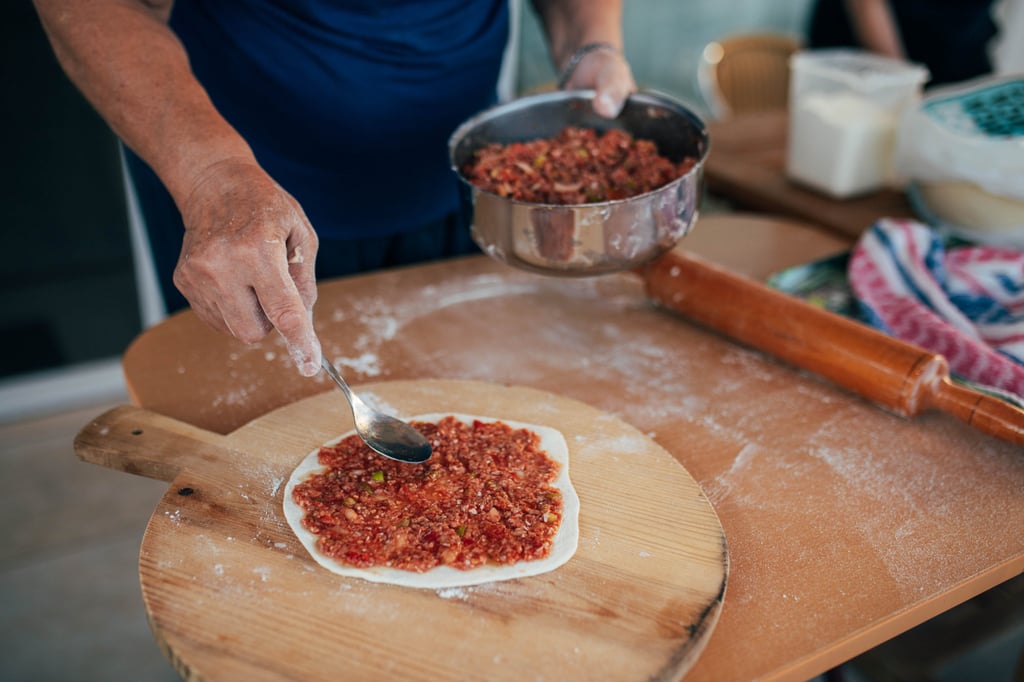
The melting pot of religions and ethnicities, adds Güçlüer, contributes to a shared culinary heritage, seen as collective rather than belonging to any particular group. This shared spice-forward cuisine encompasses many of Hatay’s bread, cheese and meat dishes. Sürk – a cottage cheese derived from boiling leftover buttermilk after extracting the butter – is kneaded with spices like thyme, cumin, chilli pepper and black cumin. It is often crumbled into salads or baked atop katıklı ekmek (akin to the Middle Eastern lahmacun) – a flatbread slathered with red pepper paste and seasoned with za’atar, cumin, black pepper and sesame seeds.
Antakya specialities like the tepsi kebabı combine minced meat, onions, red pepper flakes, cumin, black pepper and parsley, topped with tomato sauce, and moulded and baked in large circular trays. Vegetarian favourites include ekmek köftesi, a dumpling made from stale bread, boiled bulgar, tomato paste, eggs, parsley, mint and spices.
Sweet preparations also showcase Hatay cuisine’s affinity for spices.
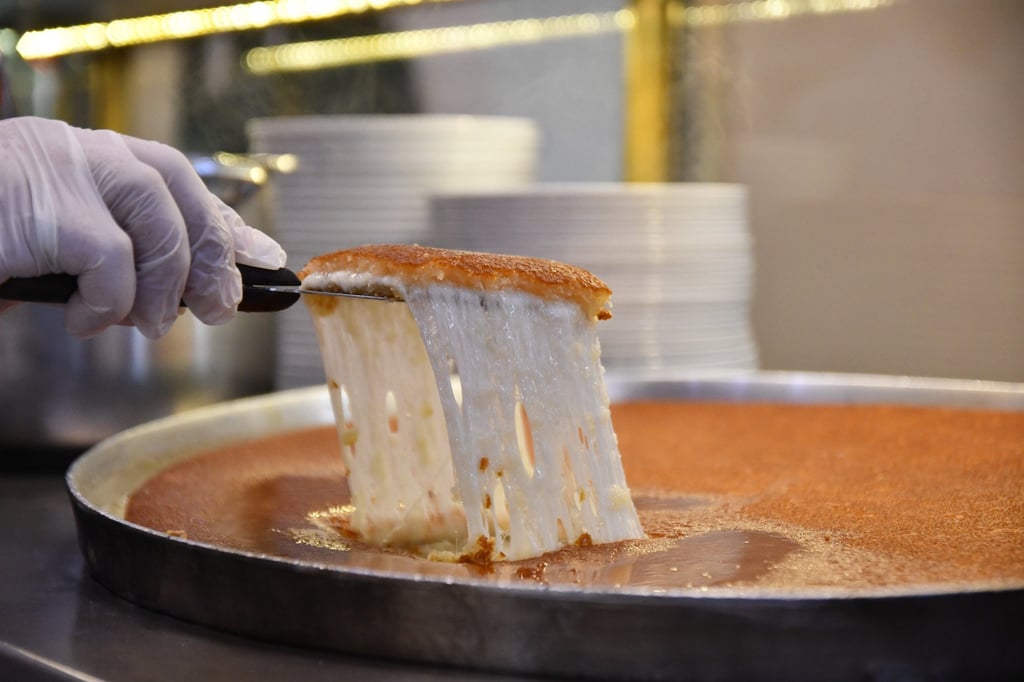
Antakya künefe, to which the European Union has granted Protected Geographical Indication status, sees wispy strands of syrup-soaked pastry baked around an unsalted, fresh stringy cheese, and served hot with clotted cream, pistachios and walnuts. “Some versions use a touch of cinnamon for warmth,” notes Güçlüer. Another sweet treat, kömbe – patterned butter cookies made in wooden moulds – includes nutmeg, cinnamon, cloves, ginger, mahaleb, allspice and mastic gum.
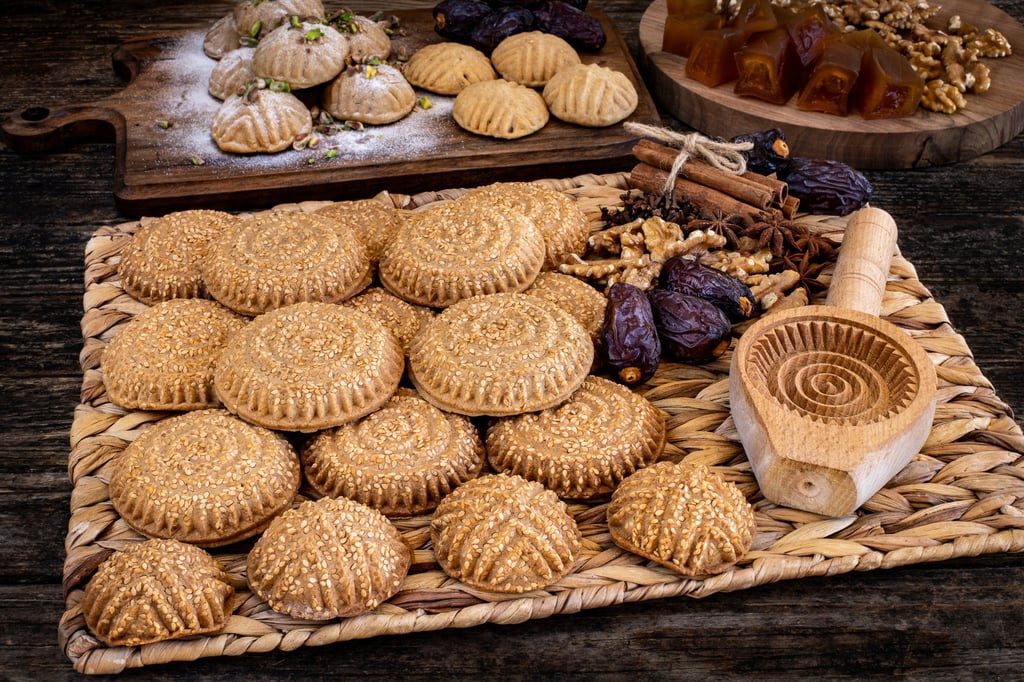
Hatay cuisine has many similarities to food from the rest of Turkey and the Levant, including its love of mezze, while particular ingredients like pomegranate molasses and various sun-dried pastes are well known in neighbouring cities like Aleppo in Syria. But Aşkar also highlights seasonal and unique dishes made in Hatay homes. “We have recipes that are only eaten for a few weeks of the year. For example, there is a recipe made from rose flowers grown next to [a vineyard], and that is made during only two weeks of the year.”
The Hatay palate has also influenced and is a part of Turkey’s overall cultural identity, so that its dishes are not seen as mere regional specialities. “That said, you’ll still see variations depending on the region. For example, in the Aegean, the same dishes might be milder in spice and more herb-forward,” Güçlüer points out.
Unfortunately, the devastating Turkey–Syria earthquakes of February 2023 severely impacted Hatay, including damage to its culinary landscape.
“Iconic restaurants specialising in traditional dishes were either destroyed or badly damaged. A lot of people, including chefs, were displaced, and supply chains for essential ingredients – especially fresh herbs and spices – were severely disrupted,” says Güçlüer. Significant efforts to revive the region including its food culture are still continuing, she adds.
Warren highlights the community’s integral role in perpetuating the region’s culinary traditions. “For instance, the bakeries – fırın – were the very first establishments opened right after the earthquakes,” she notes. “These are important establishments in Antakya – community hubs. They not only bake daily bread, but folks’ casseroles, dolmas and vegetables. It’s where everyone gathered to support one another, and still do.
“The food heritage will always remain strong: it is deeply rooted.”