How Hong Kong is wooing Muslim tourists with halal menus
In a drive to court tourists from South and Southeast Asia, and the Middle East, the government is promoting halal dining, but restaurants have yet to see the rewards

When Chau visited Dubai last January, he saw Chinese restaurants catering to a predominantly Muslim clientele who, due to religious dietary laws, were unable to enjoy dishes such as char siu. This is because the dish uses pork, which is non-halal and therefore forbidden. He was moved to create a Muslim-friendly version.
“I hope that friends who can’t eat pork can enjoy the irresistible sweet-savoury allure of this ‘char siu’, so that more people around the world can experience this piece of Chinese food culture,” he says.
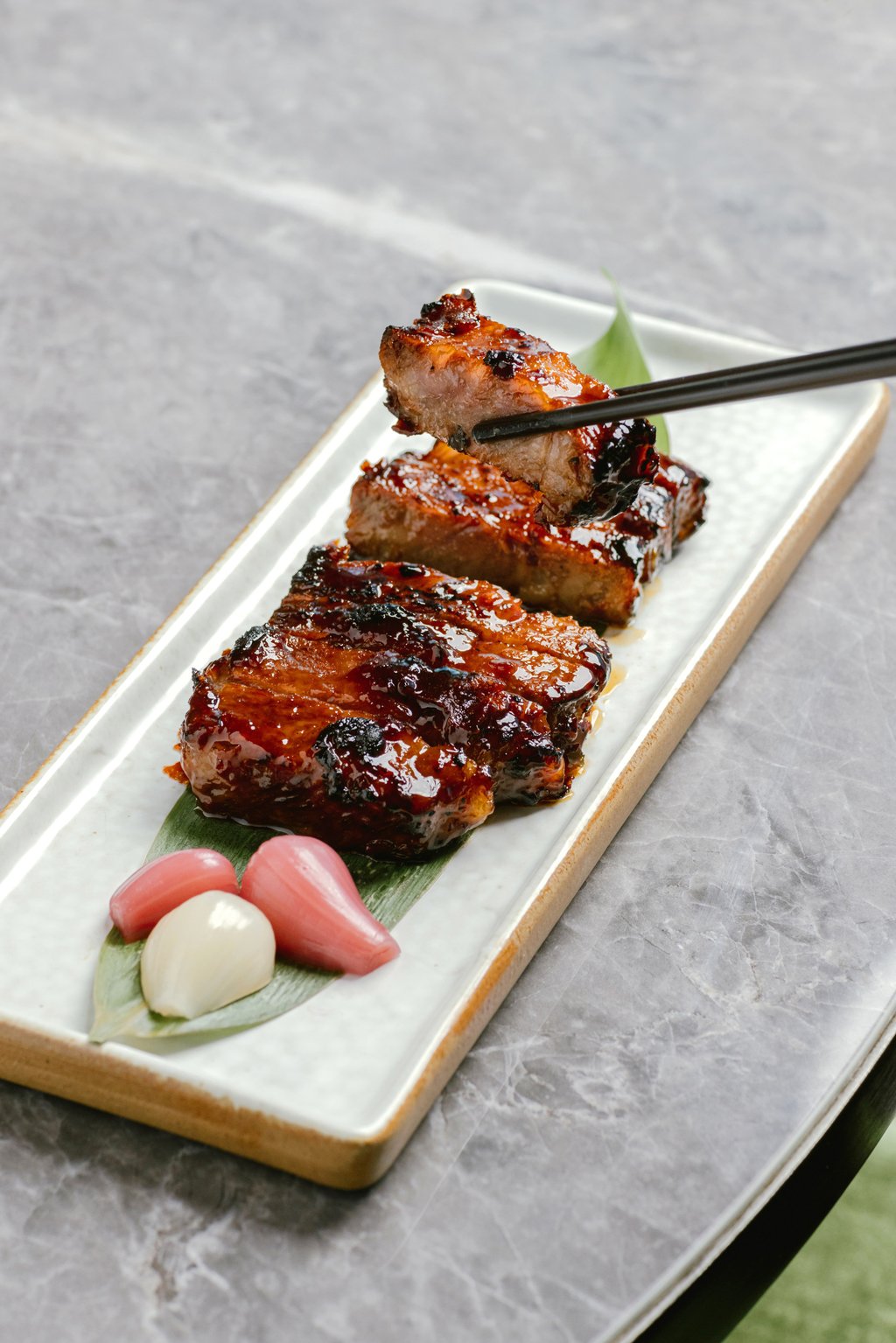
Since Chinesology continues to serve pork, the process of setting the kitchen up to offer halal dishes was somewhat complicated. The kitchen had to be deep cleaned and sectioned off to create a dedicated halal cooking area, which needed new refrigerators, kitchen utensils and cleaning supplies. Ingredients, including sauces, are kept separate, and halal dishes are prepared by dedicated chefs.