Telehealth acts as a preview of the imminent digital revolution in healthcare as AI gains popularity
Artificial intelligence platform Discovery AI uses aggregated and de-identified patient data to help in the development of AI tools and other HealthTech
Healthcare and computer science professionals aim to use technology to make healthcare preventative, effective, and accessible while maintaining patient privacy and data security
BySCMP Events
2-MIN READ2-MIN
The recent SCMP Conversations: Healthcare series, hosted by the South China Morning Post, took a deep dive into the current state of healthcare including the implementation of AI and the Internet of Things (IoT) into the industry. Key topics discussed were how large collections of de-identified patient data can be used to help AI become more functional, and how these new technologies help clinicians and consumers in the healthcare system.
Covid-19 has made the close collaboration between the fields of healthcare, computer science, and machine learning even stronger, according to Dr Ngai-tseung Cheung, Head of Information Technology & Health Informatics for the Hospital Authority. Dr Cheung also noted that Covid-19 pushed forward collaboration and the development and implementation of new technologies because there was no other option.
Dr Ngai-tseung Cheung, Head of Information Technology & Health Informatics for the Hospital Authority, mentioned how Covid-19 has made the close collaboration between the fields of healthcare, computer science, and machine learning even stronger.
For example, the tools for telehealth and virtual doctor visits were already available, but they didn’t draw a lot of interest until they were needed during the pandemic. The necessity for these new systems and procedures, it was suggested, has opened up the public’s mind to innovation and set many AI and IoT-related healthcare projects in motion.
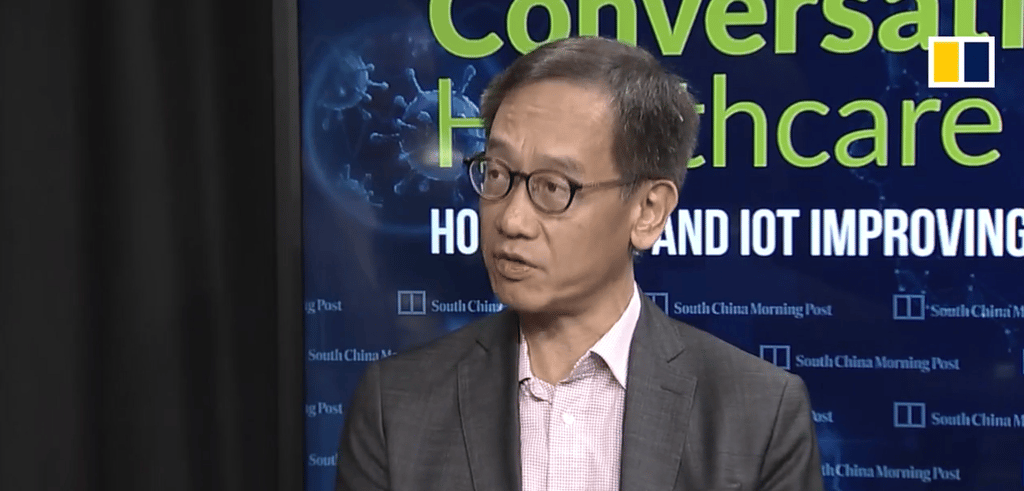
One question raised was how the healthcare and computer science industries could make the decision about which new tools should be implemented. Dr Matthew Man, Chief Executive Officer of Megasoft Limited, proposed the industry should “start at the bottom [with] frontline staff … [as they] have a lot of pain points”. They are the ones, he said, who will be using tech and AI solutions on a daily basis to improve their work and their patients’ care.
Dr Matthew Man, Chief Executive Officer of Megasoft Limited, proposed the industry should “start at the bottom [with] frontline staff … [as they] have a lot of pain points”.
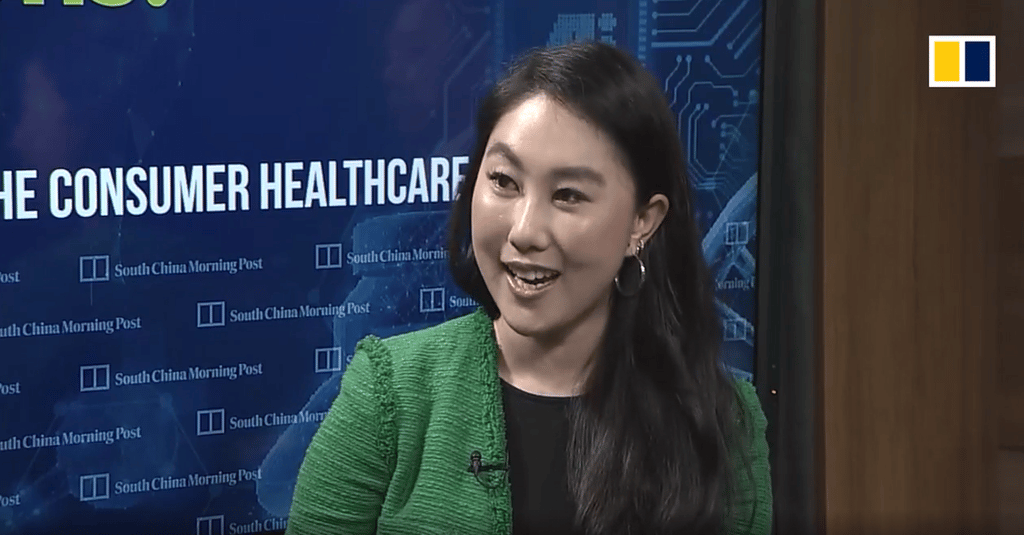
Another healthcare improvement coming from the adoption of digitalisation and AI tools is the ability to personalise healthcare. Co-founder & CEO of Neurum Health, Megan Lam, said “health and wellness is ‘one size fits one’ as opposed to ‘one size fits all’.” In other words, people’s behavioural and physical health journeys are unique, meaning every person should get the individualised care they deserve.
Co-founder & CEO of Neurum Health, Megan Lam, said “health and wellness is ‘one size fits one’ as opposed to ‘one size fits all’.”
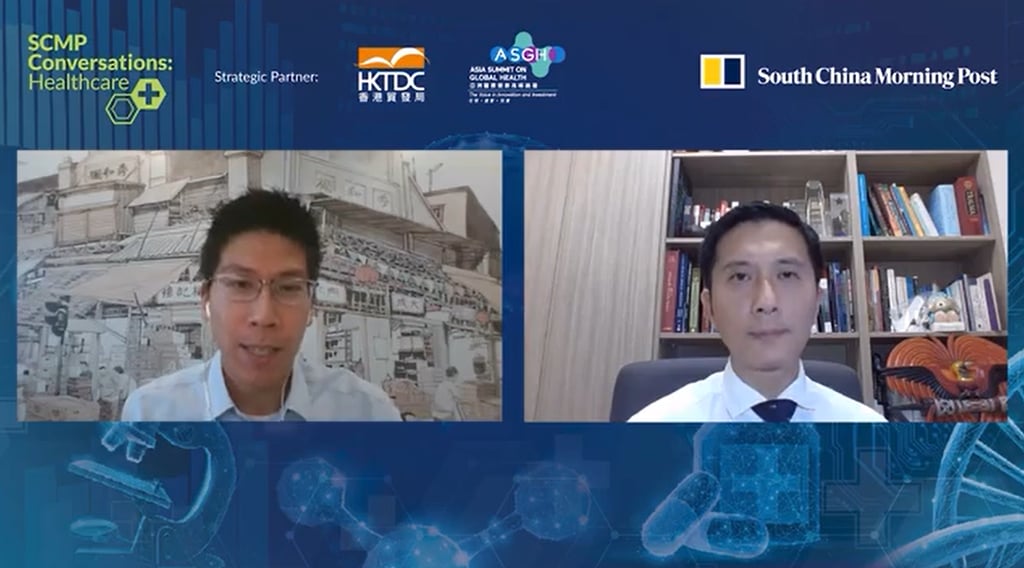
The discussion then moved on to how the end goal of medicine is to be more proactive and preventative rather than reactive. Dr Kee Yuan Ngiam, Group Chief Technology Officer at National University Health System, explained how he and his team are working towards this goal: “We decided to build a platform to aggregate [patient data], de-identify the information, and provide it to our users so they can effectively build AI models out of large longitudinal data sets.” Also known as Discovery AI, this platform allows multiple different AI tools to analyse and utilise a large amount of hospital information to help enhance AI systems and make them a more useful tool for clinicians.
While the progress being made was applauded, the need to ensure data privacy, especially healthcare data privacy, was noted. “Issues like privacy and cyber security are not things we tack on at the end... they are integral to how we design our systems and how we build them throughout the whole process,” Dr Cheung said.
(Left to Right) Joey Liu, Chief of Staff to the CEO at SCMP, and Dr Kee Yuan Ngiam, Group Chief Technology Officer at National University Health System, discussed how the end goal of medicine is to be more proactive and preventative rather than reactive.
However, the overall sentiment was that as the healthcare industry evolves – and as AI, the IoT, digitisation, and robotics become more prevalent in everyday care – quality healthcare should become both more accessible and more effective for all.
To learn more about this session, please visit our website for more information.
![[Left to Right] Clark Cahill, Manager of Events and Conferences at SCMP, Dr Ngai-tseung Cheung, Head of Information Technology & Health Informatics for the Hospital Authority, Megan Lam, Co-founder & CEO of Neurum Health, and Dr Matthew Man, Chief Executive Officer of Megasoft Limited took a deep dive into the current state of healthcare including the implementation of AI and the Internet of Things (IoT) into the industry in this series.](https://cdn.i-scmp.com/sites/default/files/styles/1200x800/public/d8/images/2021/10/11/healthcare.png?itok=BYdw7Xu9)
![Dr Matthew Man, Chief Executive Officer of Megasoft Limited, proposed the industry should “start at the bottom [with] frontline staff … [as they] have a lot of pain points”.](https://img.i-scmp.com/cdn-cgi/image/fit=contain,width=1024,format=auto/sites/default/files/d8/images/2021/10/11/tech.png "Dr Matthew Man, Chief Executive Officer of Megasoft Limited, proposed the industry should “start at the bottom [with] frontline staff … [as they] have a lot of pain points”.")