Pipes, power and petaflops: what’s behind China’s massive ‘6 networks’ investment
With US$1 trillion earmarked for this year alone, a look at where and why Beijing is investing, where progress stands and what comes next

China’s biggest economic buzzword this year could be the “six networks”, as Beijing aims to use infrastructure investment to inject fresh momentum into an economy facing persistent headwinds such as weak domestic demand and a prolonged property downturn.
The scale is substantial, with investment expected to exceed 7 trillion yuan (US$1 trillion) this year alone, according to the National Development and Reform Commission (NDRC). During the five years through 2030, combined investment in just three of the six networks – water, power grids and underground utility pipelines – is projected to exceed 16 trillion yuan.
The South China Morning Post breaks down what the six networks are, why they matter, how much progress China has made and what comes next.
What are the six networks?
The programme covers the national water network, power grid, computing network, next-generation communications network, urban underground pipeline network and logistics network.
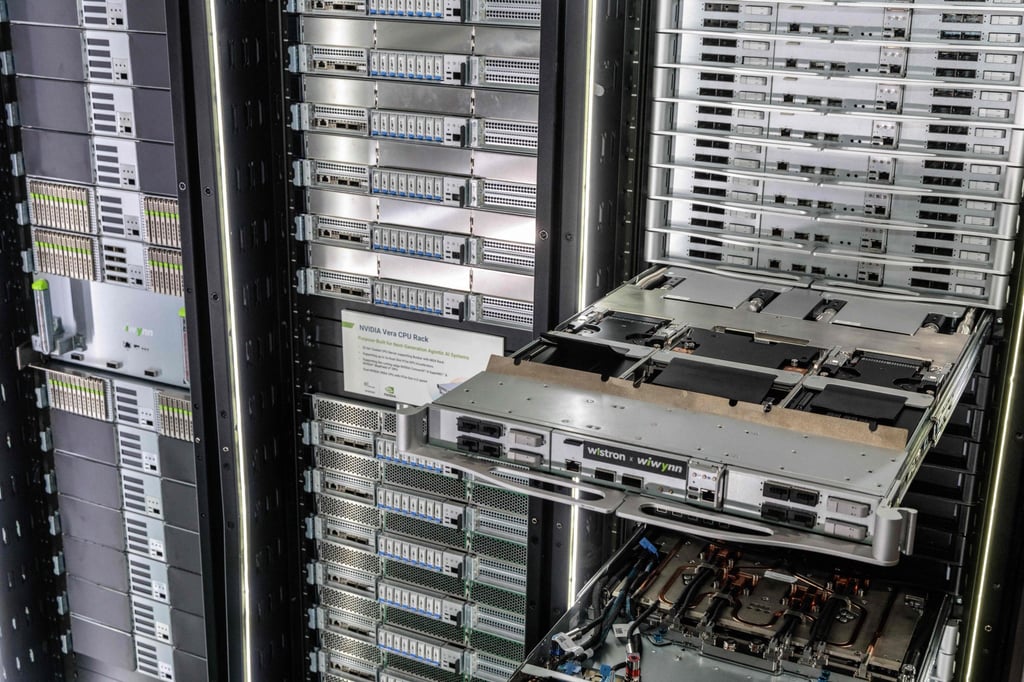
For example, the computing network links data centres and other computing resources across the country; the upgrade to a “new type power grid” aims to absorb more renewable energy and meet rising electricity demand; and the next-generation communications network covers technologies including 5G, 6G and satellite communications.
Why do they matter?
Beijing sees the networks as tools to stabilise investment and boost employment.