How the death of the Qing Empire, China's last dynasty, gave life to the Palace Museum
China’s powerful dynasties were all but impregnable to outside influence for more than four millennia. But in the 19th century an inward-looking Chinese empire became master of its own destruction when the regime failed to reform and modernise. The imperial system collapsed at the start of the 20th century and the Forbidden City, which had been home to emperors since 1420 and housed the world’s greatest collection of art treasures, was turned over to the public and transformed into the Palace Museum

Legacy
China was ruled for 4,000 years by imperial dynasties. Each successive leader contributed his, or her, unique stamp on the country’s rich and complex cultural heritage. During the last two millennia, emperors strove to outdo their predecessors by amassing more art collections, libraries, relics and treasures. Tragically, these priceless collections were not exempt from the ravages of time and nature, war and looting.
From ancient Bronze Age oracle bones to works of art from the early 20th century, China’s emperors and rulers used art to project their legitimacy, wealth, and power throughout their dominion.
The collections included paintings and calligraphy from the seventh century, along with porcelain from the Yuan and Song dynasties. They also contained silver and gold ornaments, bamboo craft pieces, wood, ivory, gold and bronze religious statues, rich textiles, furniture, architecture, books, and documents.
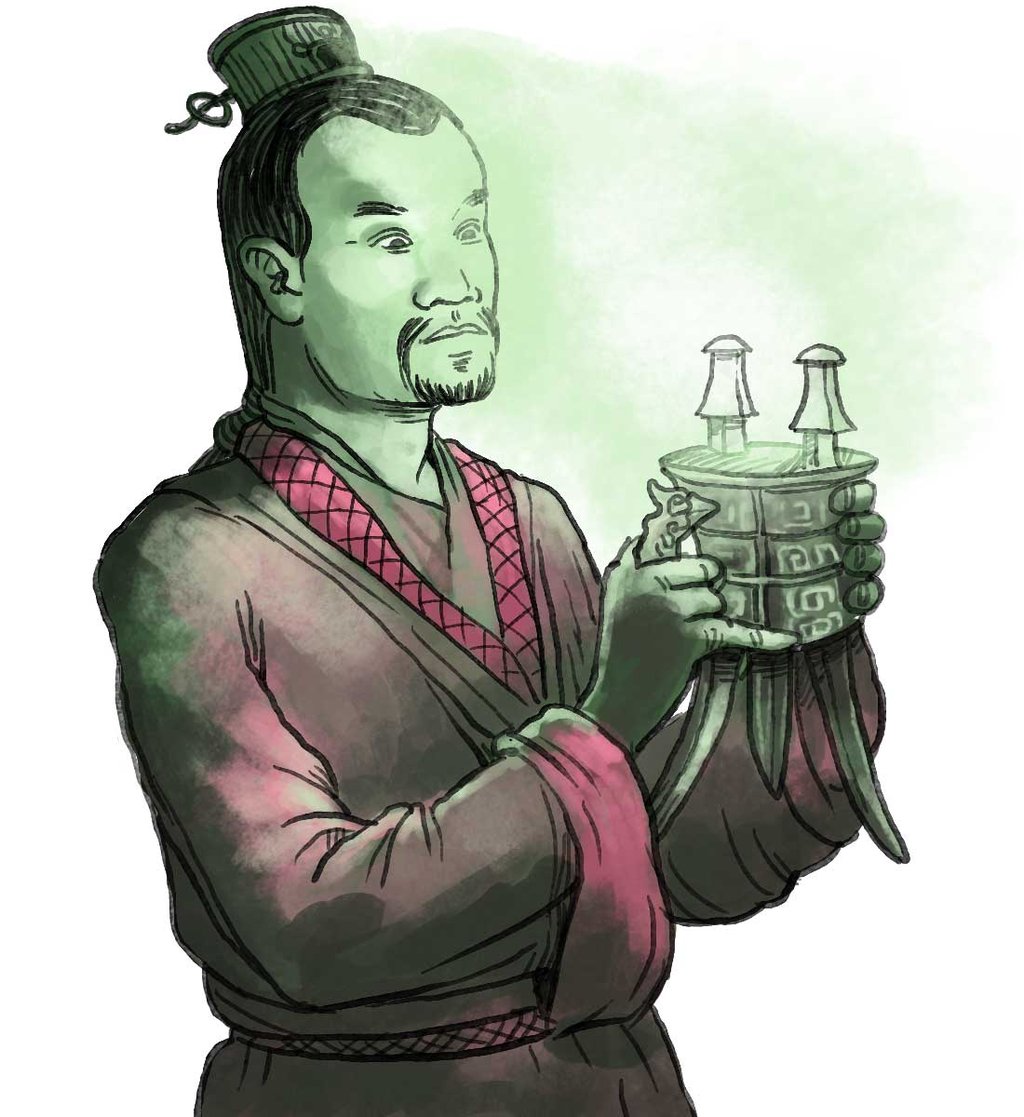
Many of China’s rulers became sponsors, connoisseurs and authorities on art. Some, such as the Emperor Huizong of Song, even contributed their own artistic prowess to disciplines like calligraphy, poetry and painting.
The two final dynasties amassed works of art on an unprecedented scale and invested heavily in the preservation and curation of the imperial collection.
When the Forbidden City was built, China’s emperors surrounded themselves with artisan entourages. They commissioned original works of art as well as sequestered objects they considered of artistic merit from throughout the empire, amassing a superlative hoard over many generations and various bloodlines.