Advertisement
Macroscope
Nature is an asset: investors must do more to support biodiversity
- As stewards of global capital, investors are uniquely positioned to help build an economy that works with, rather than against, nature
- They can help shift capital flows away from businesses and projects that degrade the natural environment, towards regenerative and circular initiatives
3-MIN READ3-MIN
1

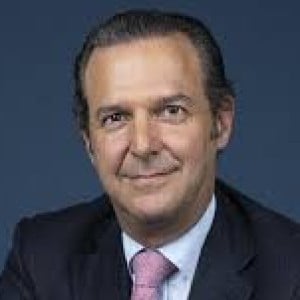
Laurent Ramsey has been a managing partner of the Pictet Group since 2016.
The past 30 years have seen a bigger improvement in human prosperity than all the past centuries combined. We have built more roads, buildings and machines than ever before. More people are living longer and healthier lives, and access to education has never been better.
The average gross domestic product per capita has grown 15-fold since 1820. More than 95 per cent of newborns now make it to their 15th birthday, as opposed to just one in three in the 19th century.
But such progress has come at great cost. As humanity thrived, nature suffered. Humans are driving animal and plant species to extinction and destroying their habitats to feed an ever-increasing population. A landmark UN report warns that up to 1 million animal and plant species are at risk of extinction.
Policymakers now consider biodiversity protection as urgent a priority as halting global warming. At the UN COP15 biodiversity summit in Montreal next month, governments are expected to agree on groundbreaking targets to protect nature.
Select Voice
Select Speed
1x
AI-generated voice