
Ukraine tragedy has exposed weaknesses in global food supply, heightening risk of political violence
- As Ukraine halts grain exports and Russia limits exports of staples, countries already hit by pandemic supply chain disruptions are now facing decade-high food prices, rationing and the risk of food riots

The conflict in Ukraine has served to highlight the significance of both Russia and Ukraine in the global food and natural resource supply chain. In 2020, Russia produced about 11 per cent of the global supply of oil, 45 per cent of palladium and 15 per cent of coal.
In 2019, Russia and Ukraine jointly produced about a third of the world’s supply of wheat, 18 per cent of its corn, and half of its sunflower oil. The top three purchasers of Russian wheat at the time were Egypt, Turkey and Bangladesh (followed by Nigeria, Yemen, Azerbaijan, Sudan, the UAE, Senegal and Vietnam).
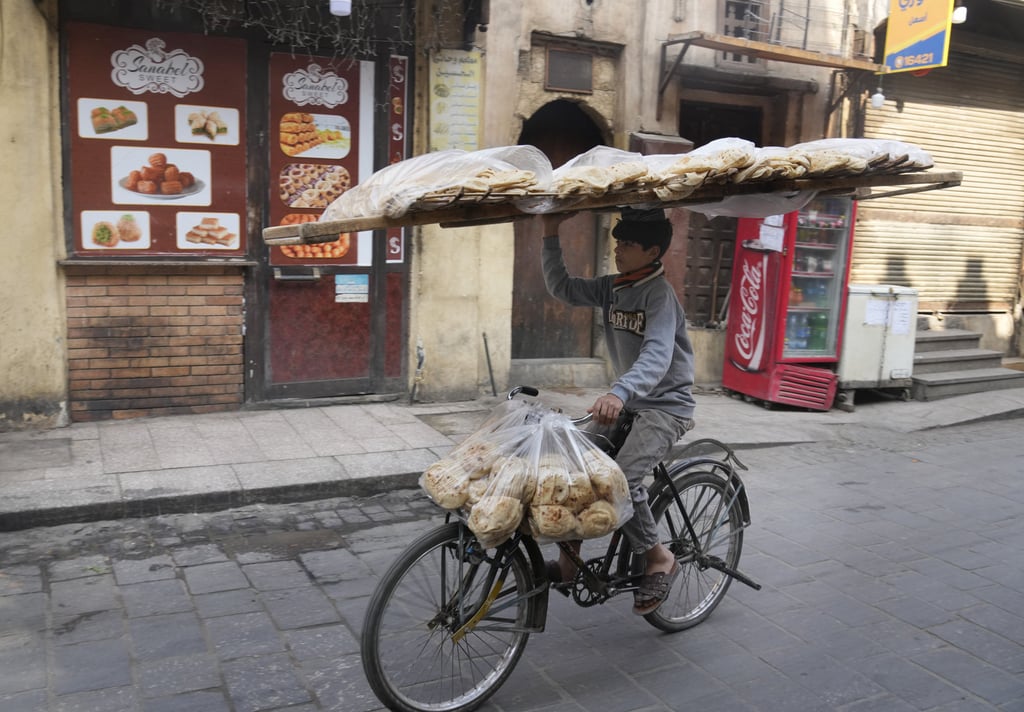
Many of the governments of these countries have consistently struggled to meet the basic needs of their citizens and had already been hit hard by the Covid-19 pandemic. It would not take much additional strain on systems to see individuals who are already marginalised turn violent in the wake of experiencing food shortages.
This occurred in 2008 in the build-up to the Arab awakening throughout Africa and the Middle East, and again in 2011. Around 90 per cent of Africa’s imports from Russia in 2021 were wheat, so its continued supply to the continent is crucial.