Advertisement
Opinion
Electoral reform a time for Hong Kong’s democrats to reinvent themselves
- Beijing’s severe response to the raucous demand for democracy in Hong Kong is probably beyond the expectations of many pan-democrats
- They need to be more strategic and pragmatic, and to engage better with the mainland. Progress is stalled for now, but history shows a breakthrough is possible
4-MIN READ4-MIN
4

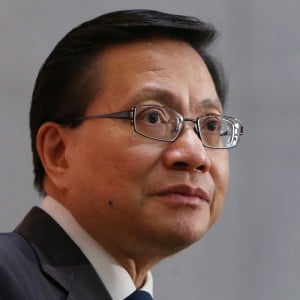
Anthony Cheung Bing-leung is chair professor and adviser in public administration at the Education University of Hong Kong and a former secretary for transport and housing (2012-17).
Institutional change is often characterised by path dependence. However, the passage of major changes to the electoral system by the National People’s Congress on March 11 seems to have taken Hong Kong’s constitutional development away from its past trajectory.
The road map and timetable Beijing promulgated in December 2007 could have allowed Hongkongers to directly elect their chief executive in 2017, based on the nomination mechanism prescribed by the Basic Law. It flopped because of the 2014 “Occupy Central” showdown by the pan-democrats who failed to reach a compromise with Beijing officials.
The top-down changes now allow members of the Election Committee to be elected as legislators, with speculation that they could comprise at least one-third of an enlarged assembly. In future, all legislative candidates must also secure nominations from this committee, making it a kingmaker.
Further, a total of 300 local delegates to national political institutions and local branch representatives of national organisations will join the committee to safeguard “national” interests.
Select Voice
Select Speed
1x
AI-generated voice