Advertisement
Opinion
19th-century US world view has no place in Asia’s vibrant, China-led future
- The world is moving beyond the order the Biden administration is cultivating, and no restoration or normalisation can bring back the old status quo
- Competitive coexistence is a reality for China but a new strategy for the US, and while America searches for a renewed role in the region, China already has an established position
3-MIN READ3-MIN
8

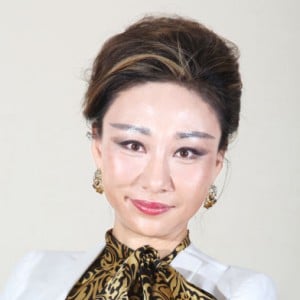
Professor Shirley Ze Yu is a political economist, a nonresident senior practitioner fellow with the Rajawali Foundation Institute for Asia at Harvard Kennedy School, director of the China-Africa Initiative at the London School of Economics, an adjunct professor at the IE Business School, and an honorary distinguished foreign faculty professor at the National Defence University, Islamabad.
“Competition without catastrophe” is how then national security adviser nominee Jake Sullivan defined the US-China strategic landscape. Kurt Campbell, US President Joe Biden’s “Asia Tsar” nominee, paralleled the 19th-century world order to illuminate 21st-century US foreign policy for the Indo-Pacific.
Both represent the ideal of Pax Americana elitism: cultured, restrained and alliance-minded. Both are Kissingerian pundits of balance of power.
One precondition predicates a Kissingerian world – US hegemony is perceived to be over. Unipolarity has been conceded. In the age of transcendence, strategic vision must begin with judgment of the current state and the other side.
Biden-era foreign policy is styled to suit a construct of norms more than a contest of wills. But the world is moving beyond the order Sullivan and Campbell are cultivating. Therefore, no restoration or normalisation can bring the world back to the old, let alone define the new.
Select Voice
Select Speed
1x
AI-generated voice