Advertisement
Opinion
To get young Hongkongers to take up mainland job opportunities, build trust and avoid politics
- Those who want to work on the mainland will go, but the government should not expect a one-off policy to resolve anti-mainland sentiment among Hong Kong youths
- Young people need to know the benefits and risks of working on the mainland, as well as the practical, psychological and emotional issues they might face
4-MIN READ4-MIN
12

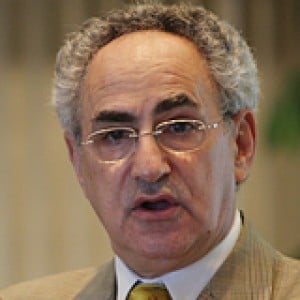
David Zweig is chair professor of Social Science at the Hong Kong University of Science and Technology and managing director of Transnational China Consulting Limited.
In her recent policy address, Chief Executive Carrie Lam Cheng Yuet-ngor proposed a programme to help young Hongkongers find jobs on the mainland. She asserted that her plan to spend HK$430 million (US$55.5 million) on the Greater Bay Area Youth Employment Scheme targets jobless youth – unemployment among 20-24 year-olds hit 19.7 per cent this year while the overall rate was 6.4 per cent.
However, there’s an underlying purpose: by increasing their awareness of conditions on the mainland, Hong Kong’s young people will become more Chinese, shed their Hong Kong identity and accept the legitimacy of the Hong Kong and Beijing governments.
When I heard Lam’s plan, I recalled a meeting in autumn 2019 with five of my MA students, four from the mainland and one local. I asked about their post-graduation plans. One mainlander encouraged the Hong Kong student to consider moving north, where he might get a higher salary in Guangdong. His response: he would gladly earn 30 per cent less in return for continued access to Facebook.
Hong Kong youth have little Chinese identity. A survey in 2014 on the eve of Occupy Central found that, among those aged 18-29, only 5 per cent felt Chinese, 10 per cent felt they were Hong Kong Chinese, 30 per cent felt they were a Chinese Hongkonger and 55 per cent felt they were a Hong Kong person. A survey this June showed that 75 per cent identify as Hongkongers or Hongkongers in China, while only 12 per cent feel Chinese.
Select Voice
Select Speed
1x
AI-generated voice