Advertisement

Opinion
Why Hong Kong’s independent film industry will lose its identity under the national security law
- Since 1997, the fortunes of Hong Kong’s filmmakers have been tied to the lucrative mainland Chinese market
- There was always a thin line separating the films that could be made on either side of the border. The security law erases that line
4-MIN READ4-MIN
Craig Addison has covered Asia technology since 1992.
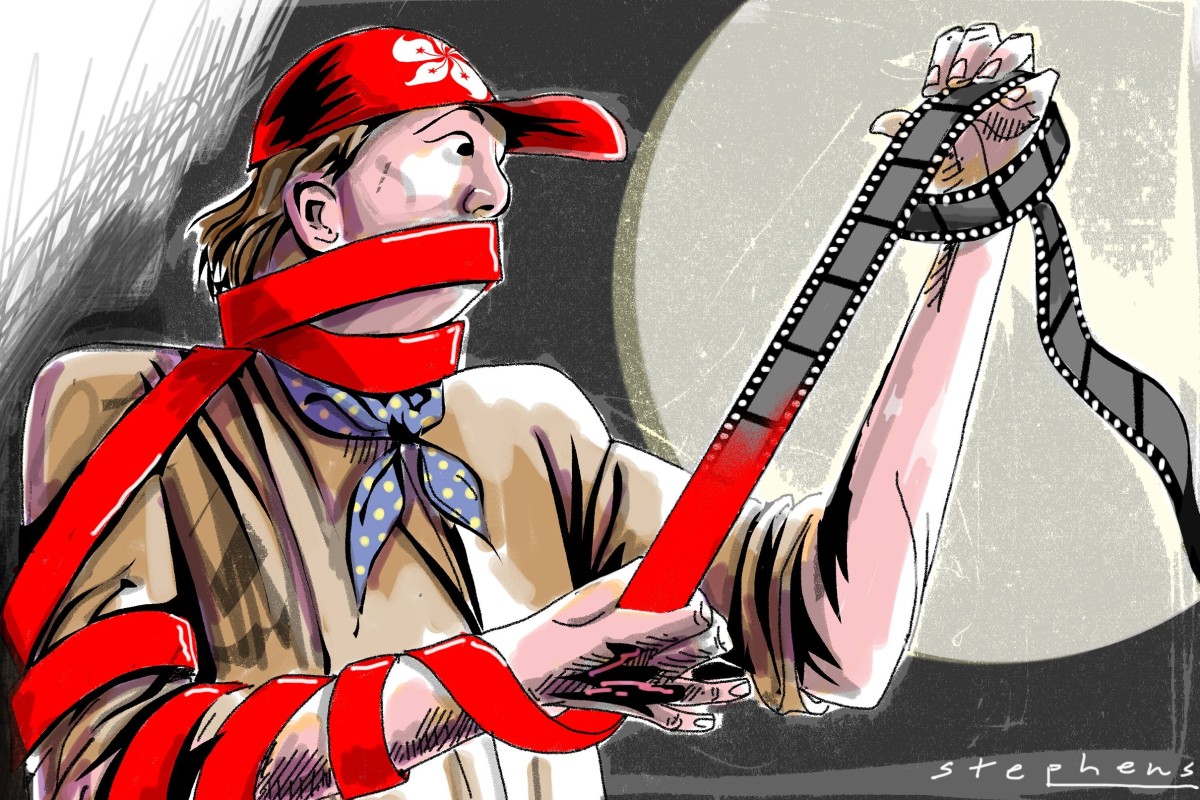
The national security law’s impact on free speech in Hong Kong has been widely debated but the implications for one sector have received less attention: the city’s film industry.
This is partly because Covid-19 has largely shuttered film production and cinemas (though theatres will reopen from Friday). However, the law’s impact on Hong Kong cinema will be felt long after the pandemic is gone.
Hong Kong is famous overseas for two genres: the kung fu flicks that made Bruce Lee, Jackie Chan and Donnie Yen household names, and crime dramas epitomised by the Infernal Affairs series, the first instalment of which was remade by Martin Scorsese as the Oscar-winning The Departed .
Since the handover in 1997, the fortunes of Hong Kong’s mainstream filmmakers have been tied to the lucrative mainland Chinese market. Scripts are routinely self-censored, and subjects sensitive to Beijing avoided, to ensure the finished films are not banned on the mainland. However, these co-productions have had limited box office success outside mainland China.
Select Voice
Select Speed
1x
AI-generated voice