Advertisement
Opinion
National security law: Hong Kong’s academic freedom is safe, but the fear of losing it is harmful
- There is no compelling evidence that the new national security law has in any way impinged on the many freedoms this city’s scholars enjoy
- Academia in Hong Kong is far more free than in the United States, where research is only mostly free and professors are told to silence their political views
4-MIN READ4-MIN
Wenfang Tang is Presidential Chair Professor and dean of the School of Humanities and Social Science at the Chinese University of Hong Kong, Shenzhen.
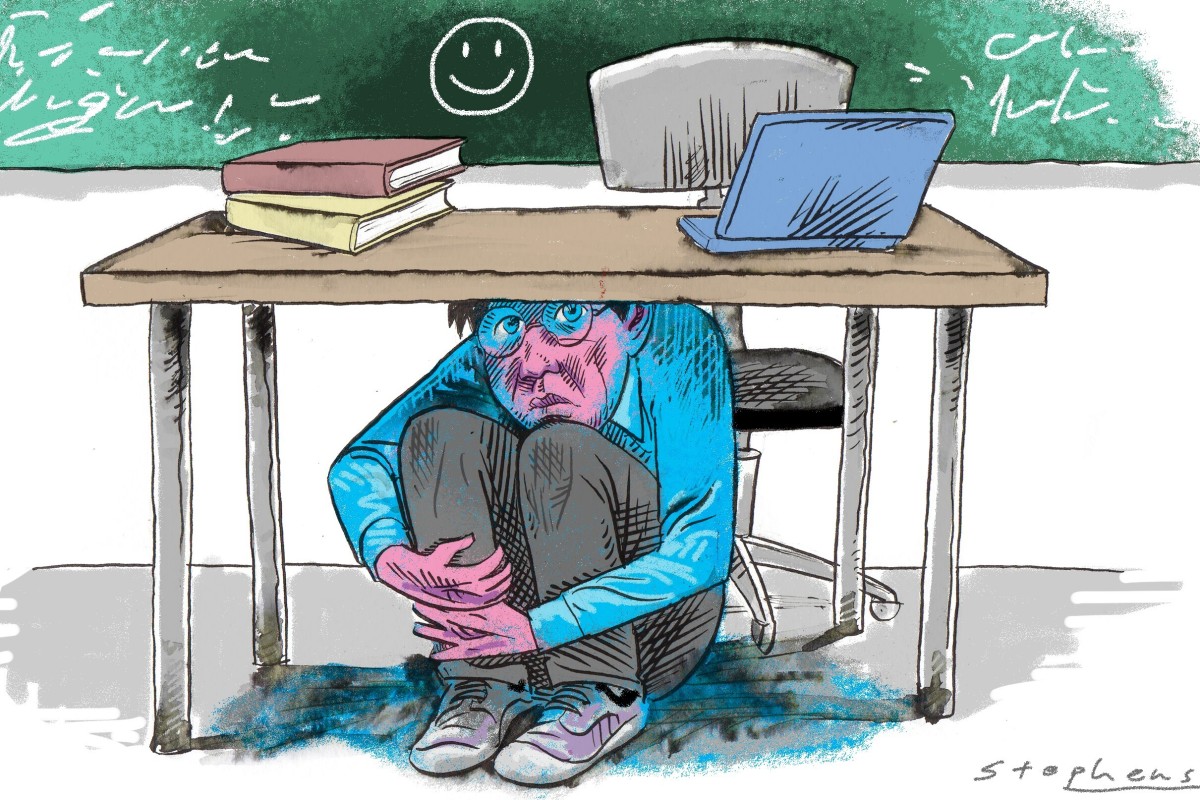
Since the passage of the national security law in Hong Kong, the fear of losing academic freedom has risen. In an article on August 8, an alarmist voice was quoted as saying the national security law meant the death of academic freedom in Hong Kong.
On August 15, I took part in a webinar organised by the University of Hong Kong Faculty of Law on the potential impact of the national security law on Hong Kong’s academic freedom. The panellists voiced strong concerns, and we were told to be proactive and that “wait and see” was the wrong approach.
Are we really losing academic freedom? I have not seen any hard evidence of its infringement in Hong Kong.
The South China Morning Post can still print articles voicing concern about academic freedom, Hong Kong universities can still hold webinars to advocate academic freedom. My research on public opinion change before and after the national security law is still funded by my university. Professors can still openly express their political views in their classes.
Select Voice
Select Speed
1x
AI-generated voice