Advertisement

Opinion
Are we witnessing the end of the golden age of Chinese diplomacy?
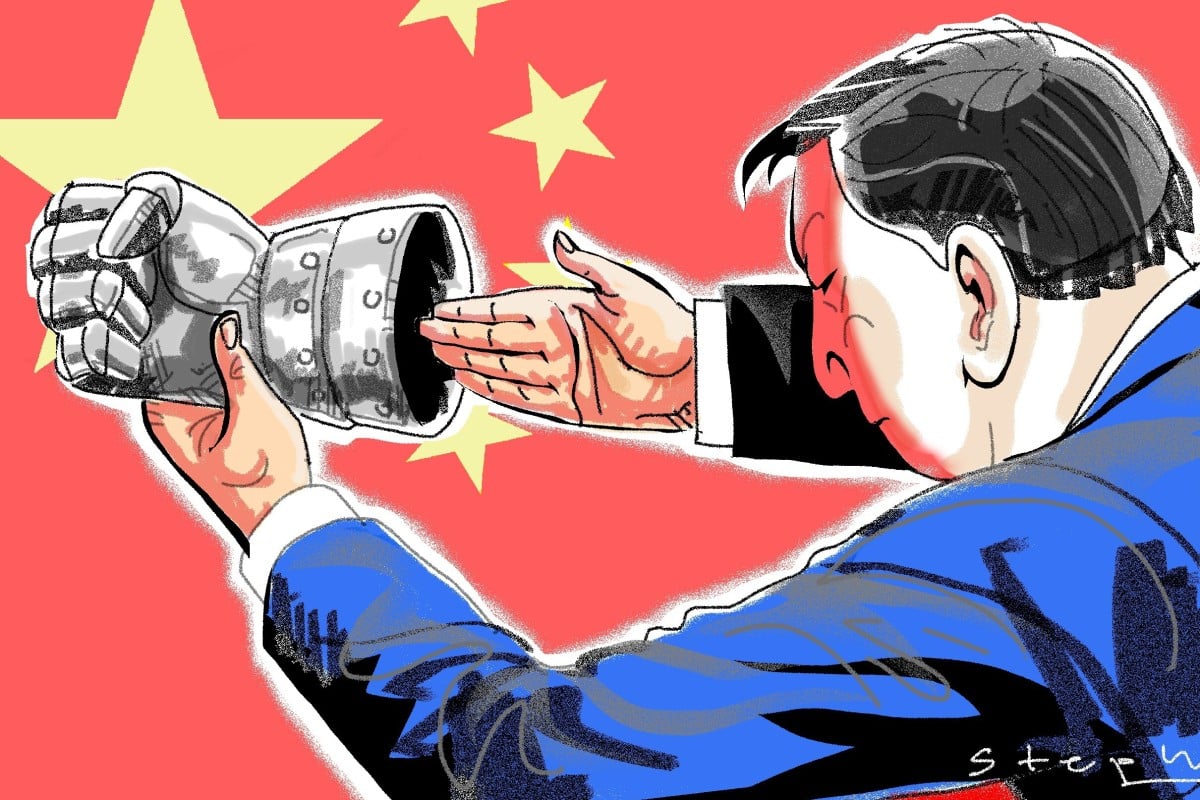
- By allowing its diplomats to publicly criticise governments and threaten companies and people with retribution, Beijing has abandoned the diplomatic practices that propelled its rise to a global power
- In the long run, this will only drive investment from China and undermine the economic development that underpins the Communist Party’s legitimacy
4-MIN READ4-MIN
Andrei Lungu is president of the Romanian Institute for the Study of the Asia-Pacific.
Over the past 40 years, China’s economic rise has been powered by the work, sacrifices and creativity of hundreds of millions of citizens. Yet its rise as a global power has come about thanks to many unsung heroes: its diplomats.
There are no movies, memorials or patriotic recruitment clips dedicated to them, but some of China’s greatest international achievements, from its admission to the United Nations and World Trade Organisation, to the normalisation of relations with the United States and Japan, were the product of strenuous and interminable behind-the-scenes negotiations, conducted by brilliant diplomats.
These well-trained, highly skilled and soft-spoken envoys made possible China’s reach, winning friends and opening markets in the process.
They carefully took time to build personal connections and trust, listen to interlocutors and dispel misunderstandings, address concerns and find workable compromises. That was the golden era of Chinese diplomacy, where professionalism and discipline were at their highest.
Select Voice
Select Speed
1x
AI-generated voice