Advertisement


Opinion
An amnesty and pardon scheme, properly framed, must be part of a political solution to end Hong Kong’s protest crisis
- Far from legitimising violence or undermining the rule of law, the judicious use of an amnesty and pardons, as part of a wider political solution, can be a peace-building measure, halting violence and creating space for dialogue
3-MIN READ3-MIN
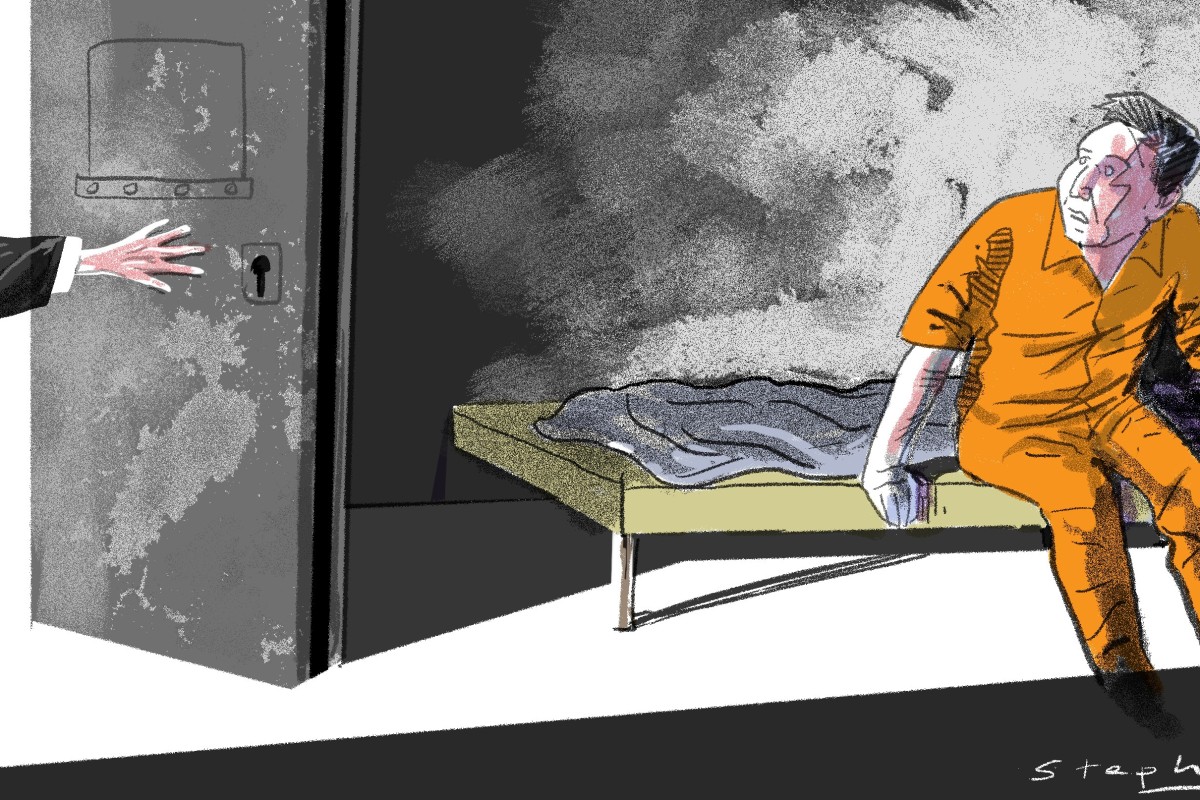
The crisis in Hong Kong can only be solved through a political solution. This solution, however, may have legal ramifications. As legal scholars, we believe it is important to address one of the legal aspects in contention: the demand for an amnesty and pardons.
“Granting an amnesty would legitimise violence”; “an amnesty and pardon would contravene the rule of law”, “an amnesty fosters impunity” – we hear and acknowledge such criticism. But the use of an amnesty and pardons can be legitimate and reasonable responses to Hong Kong’s crisis.
An amnesty and pardon scheme, if properly framed, has the potential to be a peace-building measure, to draw a line in the sand and limit the threat of violence on all sides.
Although the meanings of the two terms are contested, “amnesty” typically refers to the preclusion of criminal liability for entire groups before conviction, whereas a “pardon” applies only after conviction, to one individual at a time. Pardon forgives, whereas amnesty forgets.
Select Voice
Select Speed
1x
AI-generated voice