
Opinion | University of Hong Kong, the world’s most international tertiary institution, can still do more to support diversity
- Being declared world’s most international university by Times Higher Education is recognition of university’s efforts to diversify student body
- However non-local students face challenges from housing to social exclusion

Last week, Times Higher Education World University Rankings named the University of Hong Kong as the most international university in the world. This is due to the high participation of students in study abroad trips and its student make-up: about 10,000 are categorised as international out of about 30,000 in total. As vice-president and pro-vice-chancellor Ian Holliday commented, internationalism is not an end for HKU, but a means “to augment core missions in teaching and learning, research, and knowledge exchange”.
Internationalism undoubtedly brings benefits to higher education. Collaboration in international and multicultural environments enhances critical thinking and problem-solving skills, as more perspectives are available for reflection and analysis.
Internationalism can also benefit universities that support global justice and equity, as mobility of students and faculty offers opportunities for study, professional development and academic training and employment to many people, instead of just a small global elite.
Yet, for international students themselves, internationalisation is often a mixed bag. Certainly, they benefit from meeting peers from Hong Kong and around the world. As one student from Indonesia remarked to Times Higher Education, studying at HKU enabled her to “collaborate with talented people” and “draw upon others’ wisdom and valuable insights”.
International students particularly appreciate being able to learn from world-renowned scholars in their field, which may not have been possible in their home countries. Moreover, going to a new country is inherently educational. Students learn in diverse groups even after class, when they introduce each other to regional cuisines and pastimes.
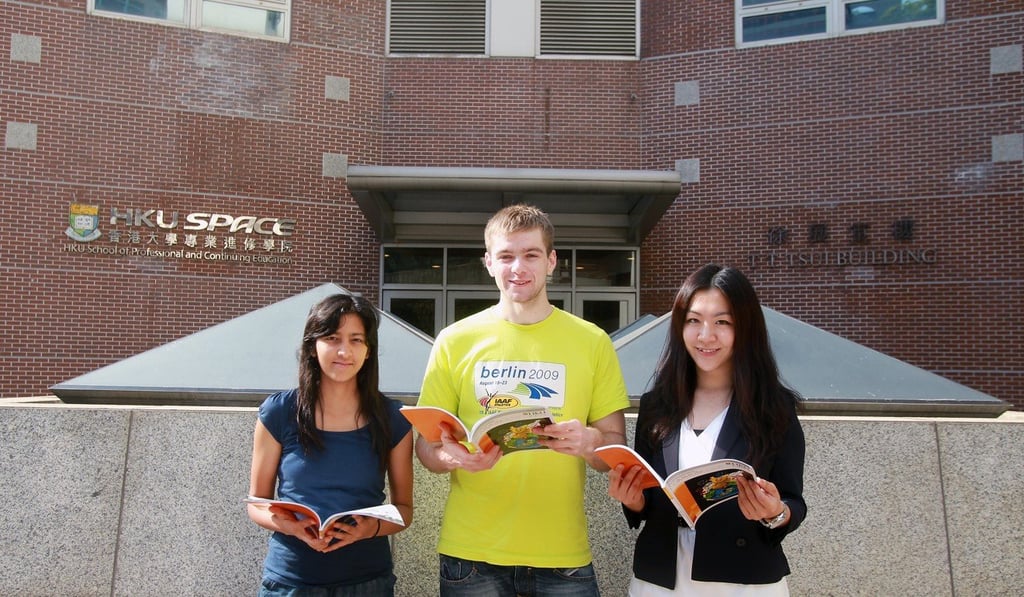
However, international students also face challenges. At the institutional level, HKU does not provide strong support for their family and housing needs. My international students in the Master’s programme receive little housing support from the university, which has led in some cases to their being exploited by greedy landlords, made to sleep in public living spaces, and more. Housing benefits depend in part on whether students are in government-supported programmes. Nearly 4,000 are in taught postgraduates programmes, which are normally self-funded.