Advertisement
To drive innovation from the bottom up, Hong Kong needs deregulation from the top down
Sunny Cheng says the quality of local transport apps is but one example of institutional complacency, and it’s time for the government to shake up monopolies and create opportunities for the public to innovate
2-MIN READ2-MIN

How innovative are Hong Kong’s organisations? Take Octopus; they have created a humble innovation, Octopus O! ePay. The name is hard to remember, and the app little-used. For another example, look to our bus companies. They have created many apps for checking routes, but it’s necessary to open several to look up alternate routes. Our Transport Department also has an app. It’s a bit better, but hardly user-friendly.
All of this shows that innovating from the top of complacent organisations is seldom efficient; top executives are often obstacles to change.
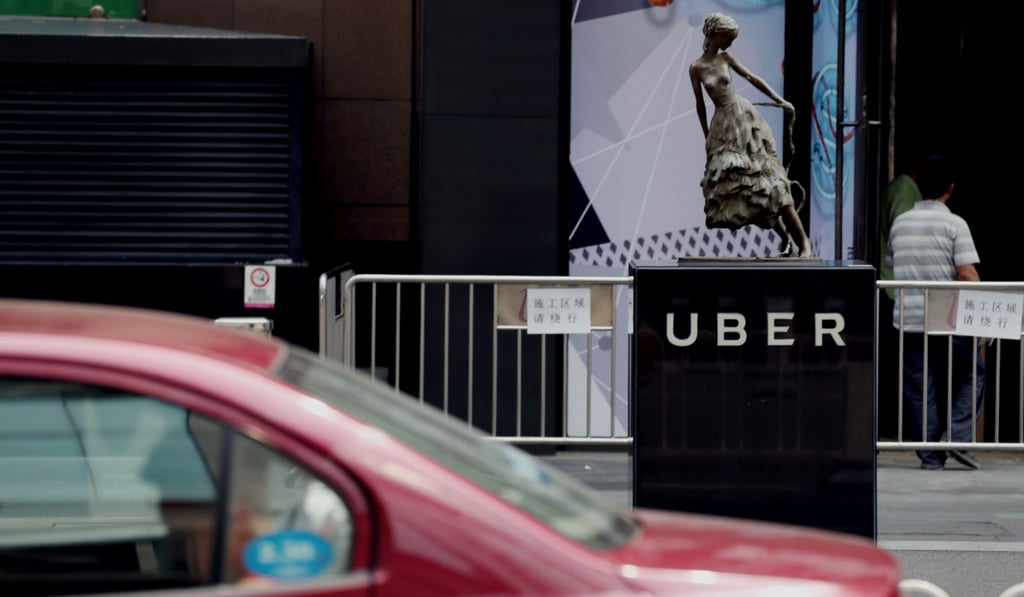
Didi Chuxing, China’s Uber, is building countrywide charging network to drive into EV future
Our systems are not rotten, but they are complacent. Breaking up the monopolies, deregulating systems and not spoiling them with more power and incentives is one path to innovation. Didi Chuxing, China’s Uber, exemplifies the government breaking up the established interests of taxi operators.
Here in Hong Kong, the locations of all buses are available through GPS, and the government can access this data. If data were provided freely to the public, a team of high school students could develop better bus apps than we have now.
Select Voice
Select Speed
1x
AI-generated voice