Advertisement
Can Trump see beyond North Korea and focus on a broader Asia strategy?
Andrew Hammond says the US president faces not only tough negotiations on his approach to North Korea during his Asia tour, but also a need to demonstrate concern in the broader region
3-MIN READ3-MIN

This weekend in Japan, Donald Trump kicked off a landmark 12-day trip to Asia warning that “no dictator, no regime ... should underestimate American resolve” in a veiled reference to North Korea. While that hermit communist regime will dominate the first phase of the visit, in Japan, South Korea and China, Trump is also due to outline his wider Asia-Pacific policy for the first time as an alternative to Barack Obama’s regional “pivot”.
The Obama administration pushed the Trans-Pacific Partnership trade and investment deal to underline its regional commitment, partly to push back at China’s growing power and presence, a concern for some allies in Asia. But the Trump team pulled out of the TPP, with no replacement initiatives thus far.
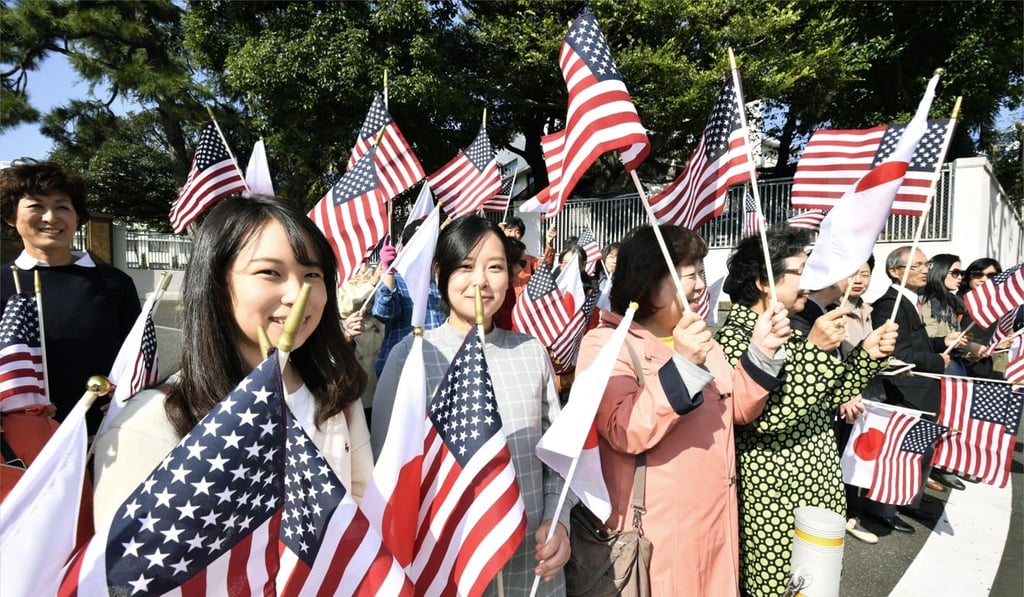
Japan is ‘winning’ on trade with US and Donald Trump doesn’t like it
A key goal of Trump’s trip, the longest to Asia by any US president since the early 1990s, is to dispel perceptions that he has little interest in the area. He will seek to articulate his political, security and economic ambitions for the region in a speech anticipated in Vietnam at the Asia-Pacific Economic Cooperation summit.
Advertisement
Beyond allies like South Korea and Japan, the danger is that he may appear so focused on North Korea that he shows little affinity for the broader range of issues in the region, from South China Sea tensions to regional counterterrorism. This could fuel concerns in some countries that agendas are not aligned and that the administration cares little for them.
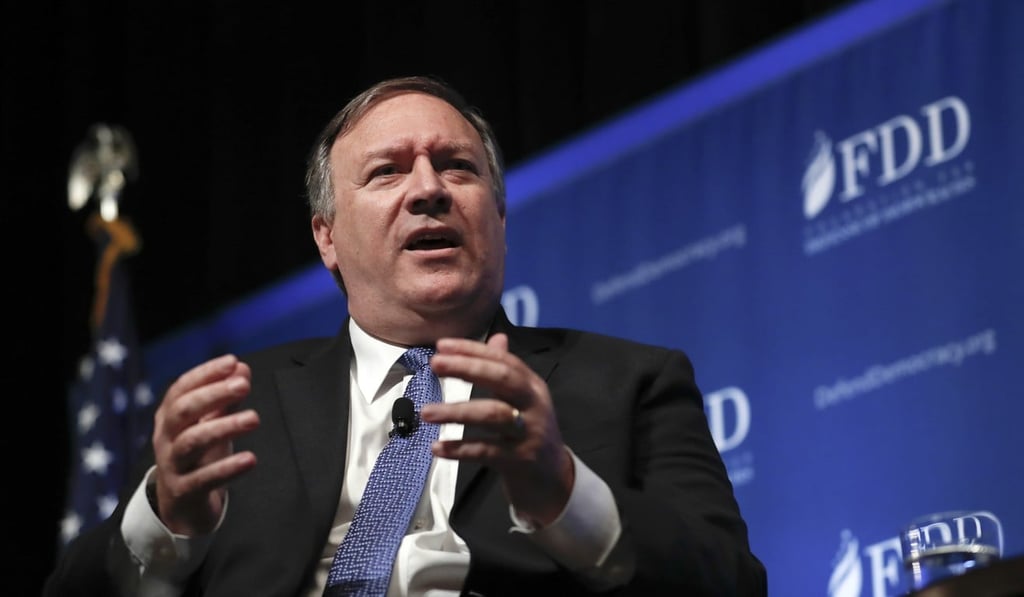
‘Oppose war, negotiate peace’: thousands of South Koreans protest ahead of US President Donald Trump’s visit
Trump therefore faces a diplomatic balancing act, especially when the goal is getting Japan, South Korea and – especially – China on board the US approach towards tightening the screws on North Korea. This is a US priority because, as highlighted by CIA director Mike Pompeo last month, Pyongyang is perhaps months from possessing nuclear weapons capable of striking the US homeland.
Advertisement
Advertisement
Select Voice
Select Speed
1.00x