Advertisement
US Federal Reserve
Opinion

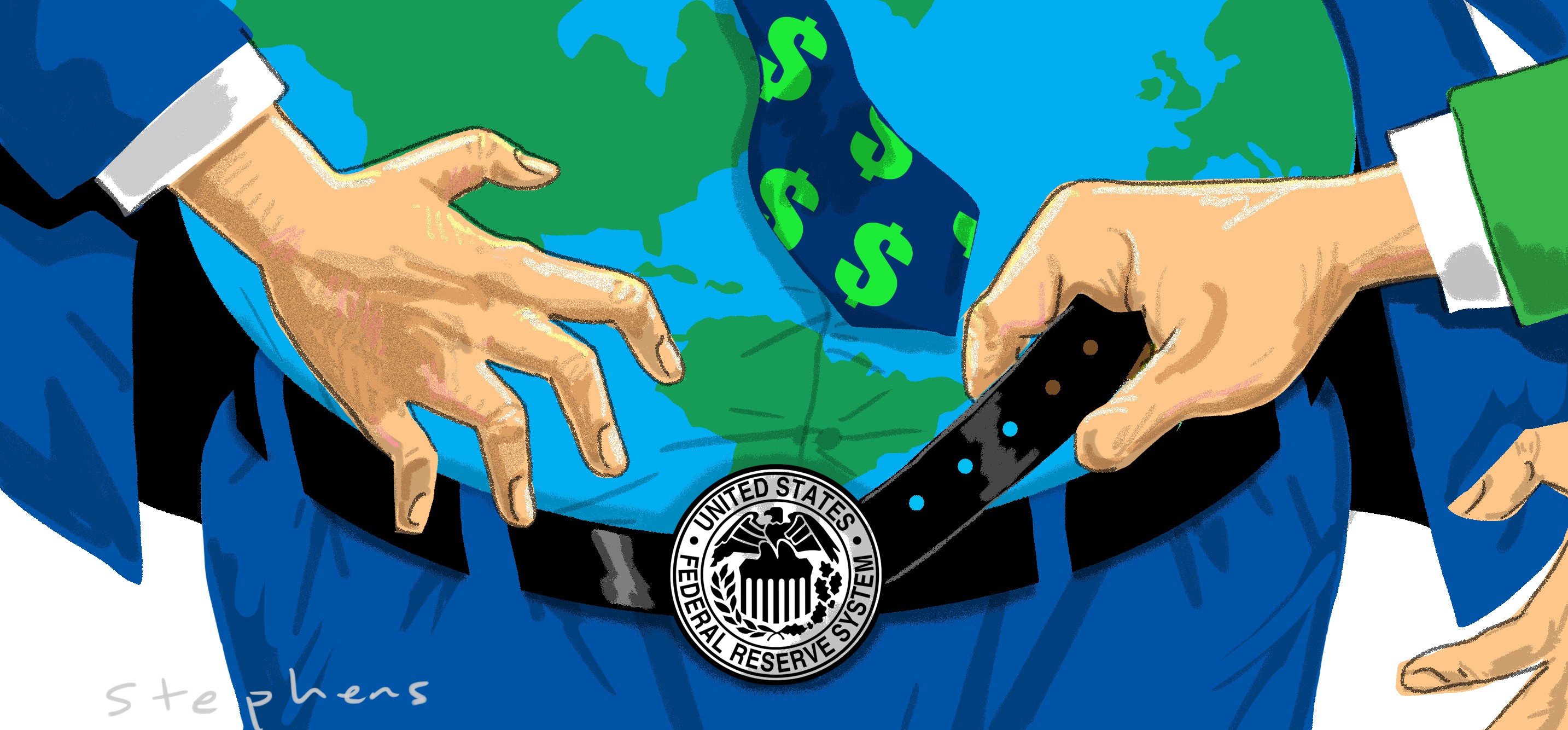
As Janet Yellen’s Federal Reserve prepares to tighten its belt, the world is poised to feel the squeeze

Dan Steinbock says the American central bank will find it far from easy to increase rates or reduce its balance sheet in the way it initially hoped, but caution is key given the uncertainties involved

4-MIN READ4-MIN
Dan Steinbock says the American central bank will find it far from easy to increase rates or reduce its balance sheet in the way it initially hoped, but caution is key given the uncertainties involved
Dan Steinbock
If over-ambitious or misguided tightening caused “lost decades” in the past, today the net effect could be far worse. Illustration: Craig Stephens
Before the Trump era, the Federal Reserve hoped to tighten monetary policy more often and aggressively than the markets anticipated. But since November, US economic prospects have fluctuated dramatically. In its May meeting, the Fed left its target range for federal funds rate steady at 0.75-1 per cent, in line with market expectations. It is likely to climb to 1.3 per cent by the year-end and ­exceed 3 per cent by 2020.

In other major advanced economies, the monetary stance has ­remained broadly unchanged. The European Central Bank held its benchmark rate at zero per cent in April. Even if the ECB begins rate hikes in 2018, they are likely to be low and slow. The rate could climb to 1 per cent by 2020.

In Japan, Abenomics has failed, despite a slight uptick in short-term growth prospects. As introduced by the Bank of Japan, negative rates and huge asset purchases will continue. The rate may remain negative (-0.1 per cent) until 2020, by then Japan’s sovereign debt will exceed 260 per cent of its GDP.

Select Voice
Select Speed
1x
AI-generated voice