Can Trump do better than Obama in terrorism fight?
Ehsan Ahrari says a draft of his update of Obama’s counterterrorism strategy suggests he may be expecting too much from US allies. Still, there are some potentially positive moves

What Muslims must learn from anti-Trump protests in America
The best part of Obama’s counterterrorism effort was captured in these words of its policy document: “respecting human rights, fostering good governance, respecting privacy and civil liberties, committing to security and transparency and upholding the rule of law”. By abandoning those features in its new draft, the Trump administration is giving the green light to autocrats to continue their brutal suppression of all domestic protest movements and movements demanding government reforms.
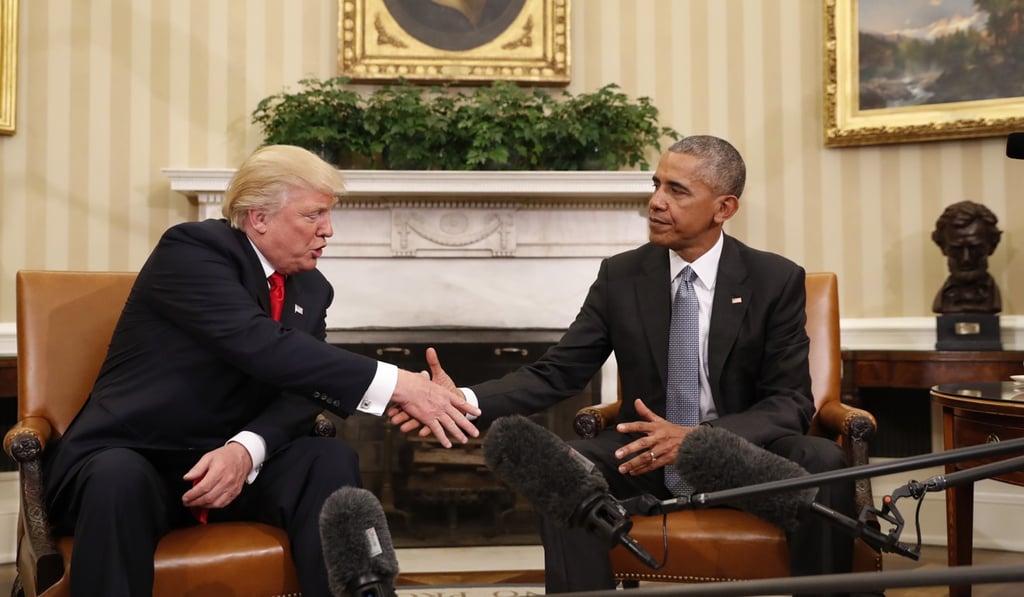
Another problem with Trump’s proposed strategy is its reliance on its US allies to conduct ground operations. The American voters will have no problem accepting it, because it is aimed at minimising the loss of American military personnel. More to the point, it is very much in harmony with Trump’s overall approach of letting other countries share the burden – both in terms of human bodies and capital – in fighting global terrorism.
However, such an approach raises an important question. When was the last time any US ally (especially the Arab states) really succeeded in a counterterrorism campaign within its borders or in military operations conducted in a neighbouring state? The maladroit performance of Saudi forces in the Yemeni invasion only proves this point.
The Obama administration, despite its much-gloated success about eliminating Osama bin Laden, failed to stabilise Syria or Iraq