China’s role as a peacemaker on the North Korean crisis should be encouraged
Ehsan Ahrari says China’s role in easing the tensions over North Korea’s nuclear aspirations is notable, particularly when contrasted with the bluster of Donald Trump

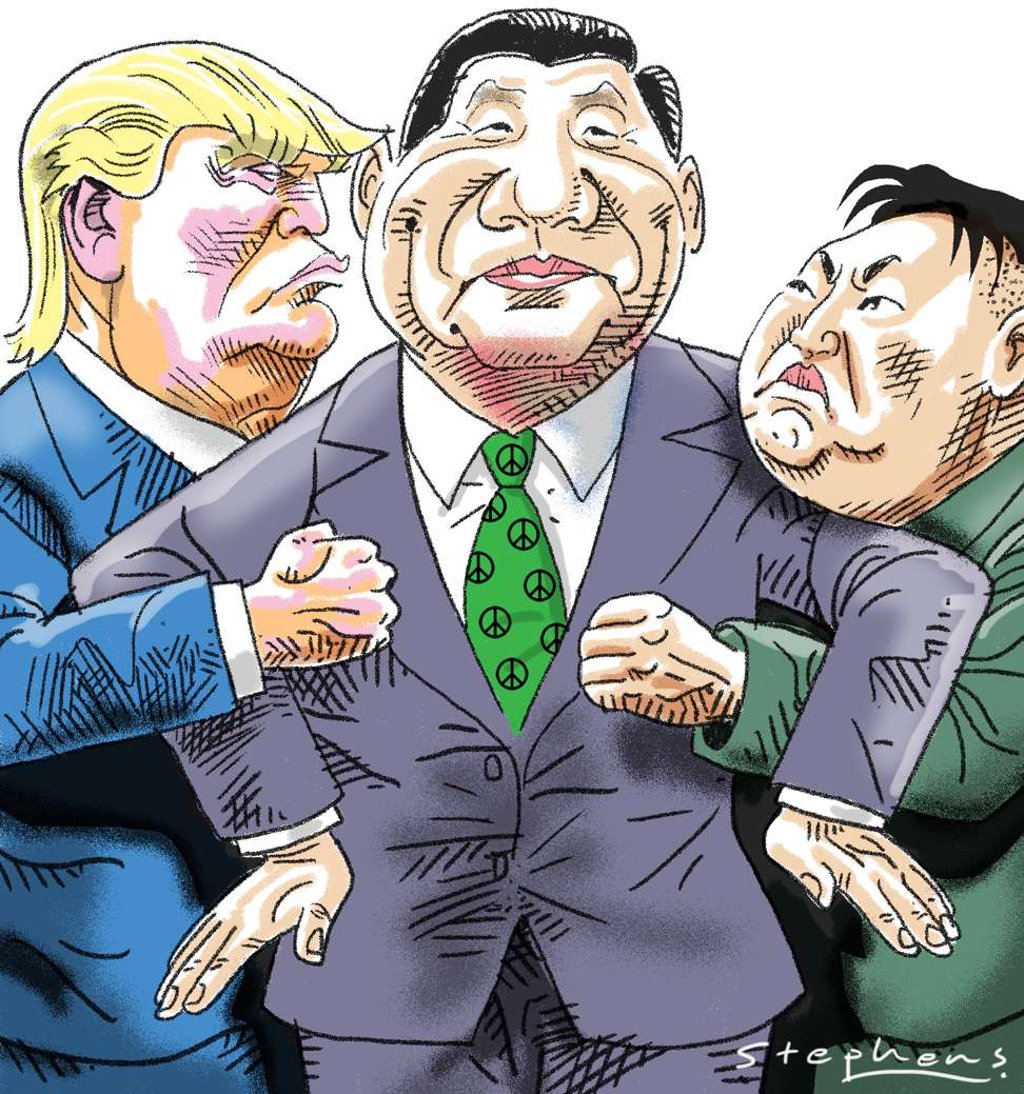
This statement was a persuasive example of evolving global realities. The heirs of revolutionary Mao Zedong ( 毛澤東 ) are not revolutionaries. Contemporary Chinese leaders want to transform China into a new leviathan of the 21st century, a role that the United States so deftly played, especially in the aftermath of the implosion of the Soviet Union. Thus, they are resolute about avoiding a military conflict with the US involving matters that do not jeopardise their homeland or vital interests. The Korean conflict certainly does not fall into that category.
The most disconcerting variable in the current state of affairs is that the US has a new president who is not only uninformed about the intricacies of the Korean conflict, but who also refuses to use a vast body of expertise on the issue (or on any other issues of global affairs) that is readily available to him among America’s premier think tanks and security agencies.
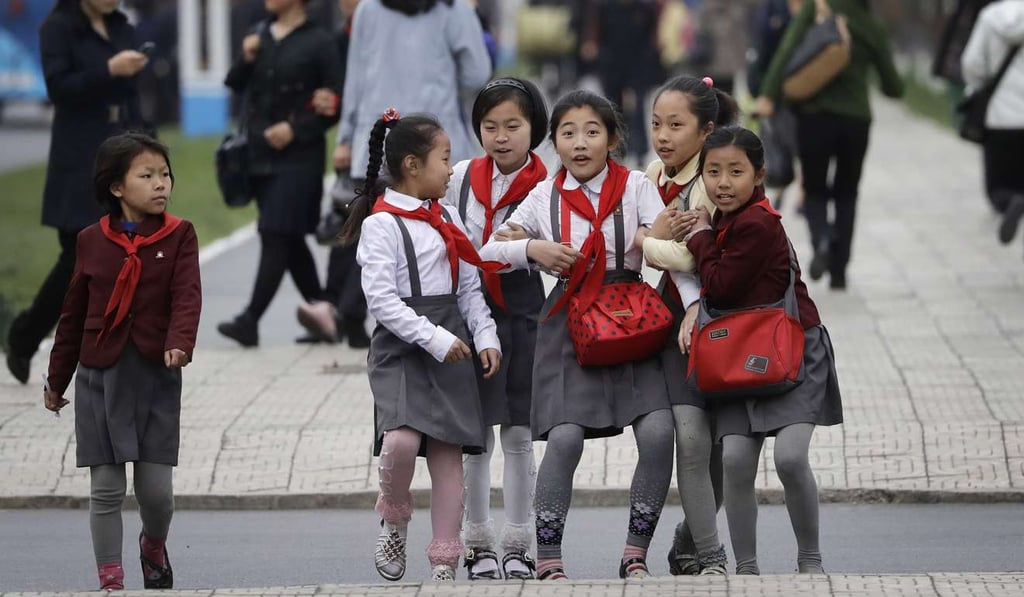
China’s position on North Korea appears to shift
On the contrary, China is emerging as a stabiliser and a peacemaker. Undoubtedly, it is motivated to act in this manner for two critical reasons. First, if a military conflict breaks out on the Korean peninsula, China has the most to lose. In the wake of a military conflict, if North Korea were to triumph, one consequence would probably be an embarrassing defeat for China. That would permanently damage its global image as a peer competitor of the US. Besides, for China, the only war worth fighting would be if Taiwan were to declare independence from the mainland.