Advertisement
US-China relations
Opinion

China and the US must narrow the trade gap by boosting trade, rather than curbing it

John Gong and Yabin Wu say the 100-day negotiation aimed at reducing the US trade deficit must work on increasing American exports to China, instead of reducing Chinese imports to America

3-MIN READ3-MIN
John Gong and Yabin Wu say the 100-day negotiation aimed at reducing the US trade deficit must work on increasing American exports to China, instead of reducing Chinese imports to America
John GongandYabin Wu
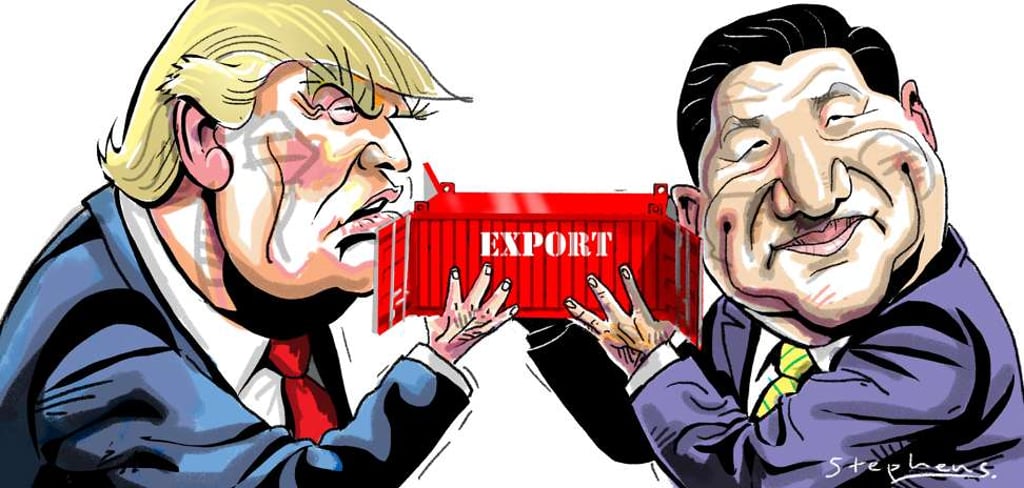
Under Donald Trump, US policy towards China, and for that matter China’s towards the US, is unlikely to change much from the days of the Obama administration, despite Trump’s inflammatory tweets. Illustration: Craig Stephens
When the first summit between presidents Xi Jinping (習近平) and Barack Obama took place in June 2013, there was an interesting photo of them walking side by side at the picturesque Rancho Mirage in California, in striking resemblance to the strides of Winnie the Pooh and Tigger. Back then, the Sino-US relationship actually resembled the pleasant relationship between Pooh and Tigger.
This time round, at the meeting in Florida, although US President Donald Trump does not have a figure as slim as Obama’s, the fundamental basis of the Sino-US relationship remains solid. US policy towards China, and for that matter China’s towards the US, is unlikely to change much from the days of the Obama administration, no matter how much rhetorical bluff Trump had tweeted before (and after) the election. Both countries, after all, share many common interests in tackling global issues like North Korea, nuclear non-proliferation and climate change.

The timing of Xi’s visit could not have been better.

Select Voice
Select Speed
1x
AI-generated voice