Advertisement
Can Hong Kong get fully behind the idea of a southern China megalopolis?
Ken Chu says the city should rise to the challenge of regional integration with Guangdong and Macau, to become part of a bigger and more vibrant economy
4-MIN READ4-MIN

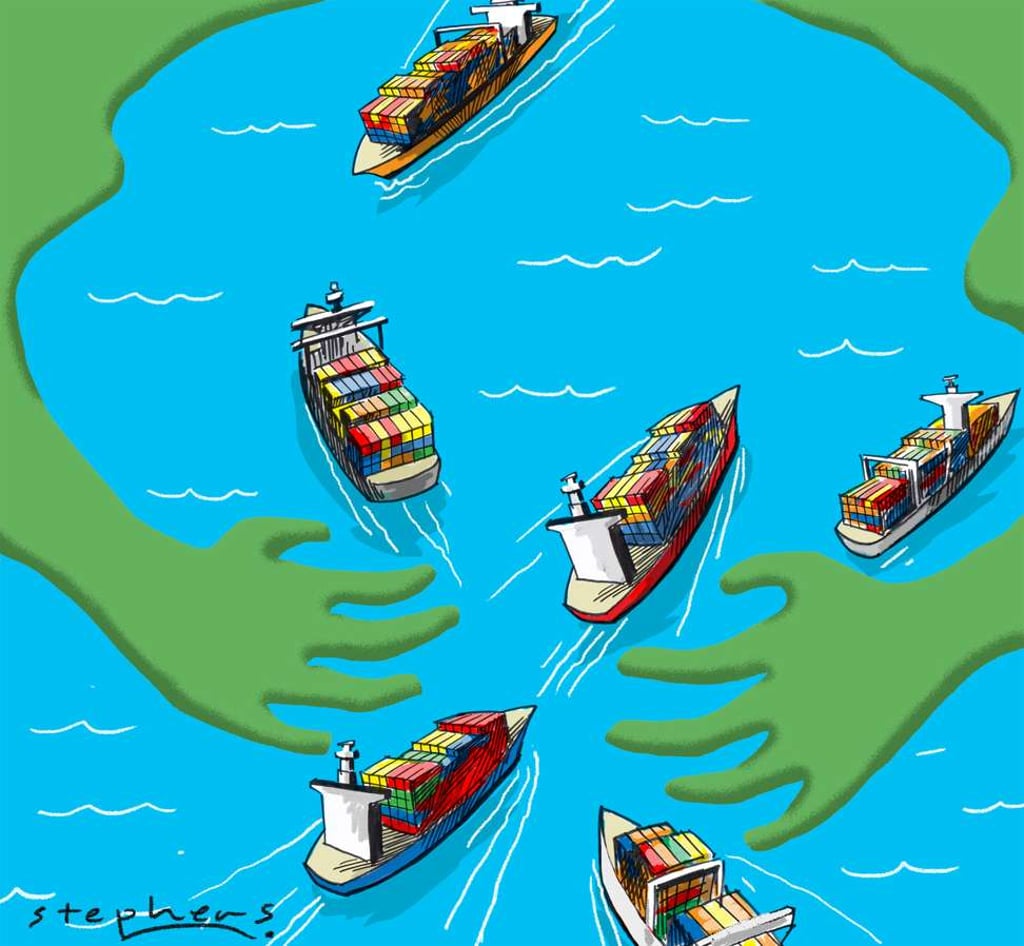
But this concept of closer integration was elevated to a national strategic level for the first time when Premier Li Keqiang ( 李克強 ) proposed building a “city cluster in the Guangdong-Hong Kong-Macau Greater Bay Area” in his government work report at the National People’s Congress meeting last week. Li pointed out that this would give “full play to the distinctive strengths of Hong Kong and Macau, and elevate their positions and roles in China’s economic development and opening up”.
The idea of closer integration between Hong Kong and its neighbours now has a broader strategic perspective.
Hong Kong has a stake in the birth of a Greater Bay Area in China’s south
Firstly, this “greater bay area” idea is in line with the nation’s goal to better manage its sprawling megalopolises for Beijing in the north, Shanghai in the central region and the “tri-cities” comprising Guangzhou, Shenzhen and Hong Kong in the south, according to the head of the National Development and Reform Commission He Lifeng (何立峰), who spoke at a press briefing a few days after Li’s delivery of the work report.
Select Voice
Select Speed
1x
AI-generated voice