The rise and demise of Asia’s four little dragons
Dan Steinbock says the once high-flying Hong Kong, Taiwan, Singapore and South Korea face similar challenges – an ageing population, slowing economy and growing inequality – and they must now undertake structural reforms, or risk stagnation

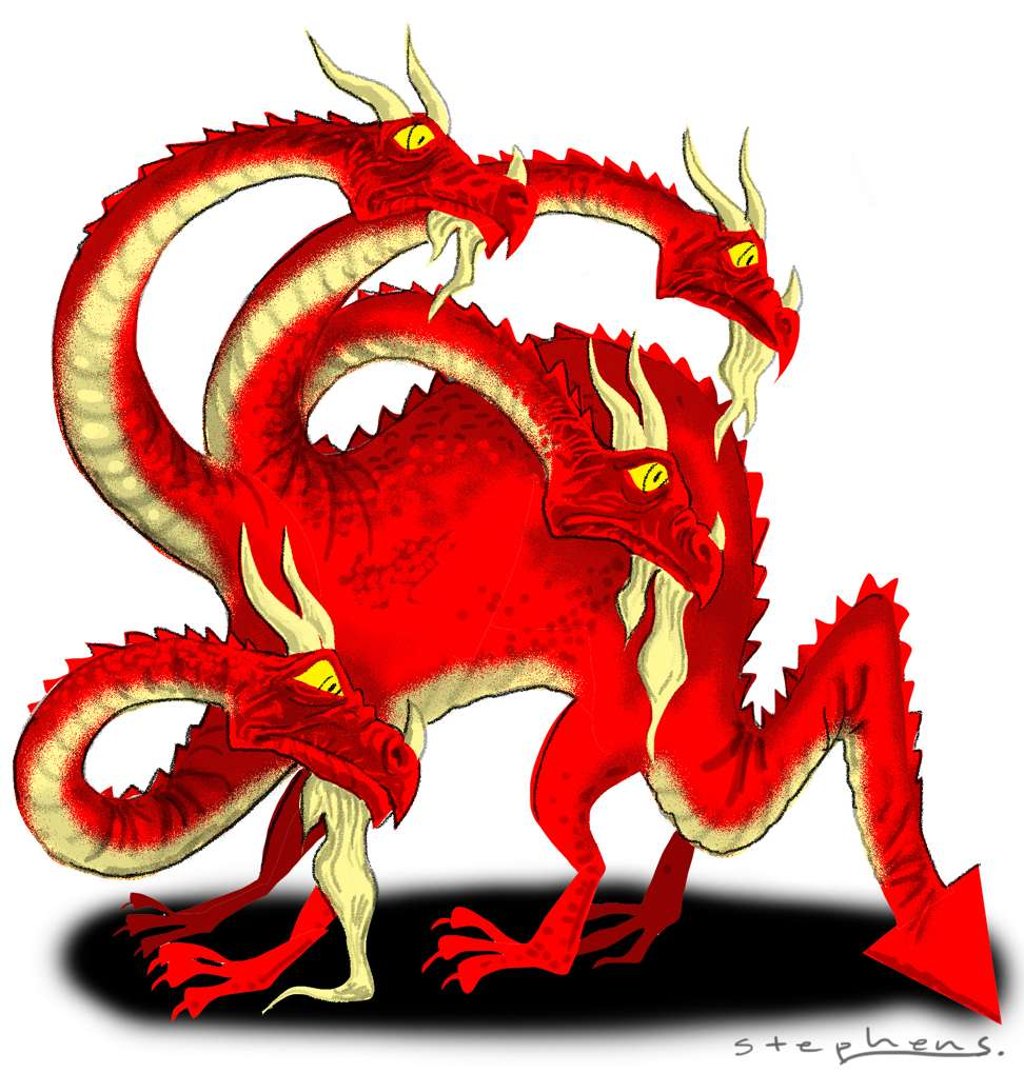
Today, the dragons’ world looks very different. There is a common denominator behind Hong Kong’s economic and political malaise, Taiwan President Tsai Ing-wen’s efforts to lean on the Trump White House, South Korea’s mass demonstrations to impeach President Park Geun-hye, and Singapore’s attempt to accelerate economic growth.
Political friction usually follows population ageing and a slowing economy. That’s the common denominator.
Analysts cast doubt on finance chief’s Hong Kong economic growth forecast
Some half a century ago, the four dragons underwent an extraordinary phase of rapid industrialisation, starting with Hong Kong’s textile industry in the 1960s, followed by export-oriented industrialisation in Lee Kuan Yew’s Singapore, modernisation and export expansion in the Kuomintang’s Taiwan, and Park Chung-hee’s South Korea. From the early 1960s to the 1990s, the dragons enjoyed high growth rates. In the process, they leapt “from the third world to the first” within one generation, as Lee later put it.
Unlike Singapore, Hong Kong has missed and continues to shun pro-growth integration opportunities
In 1960, Hong Kong, the first dragon to begin the catch-up, led the group in average living standards; it lagged far behind both the US and Japan, and was followed by Singapore, Taiwan and South Korea. The weakest dragon was South Korea, where living standards were barely 10 per cent of those in America.