US-China trade tussle forces China to reform faster, says asset manager Amundi
Beijing is shifting its policy focus from cutting overcapacity to upgrading the value chain with national grants and support to IP that protect Chinese corporate interests

If there is a bright spot in the brewing US-China trade tensions, it is the short-term uncertainty that would fuel the mainland to push through necessary reforms faster to boost long-term economic growth, says asset manager Amundi’s senior economist for macroeconomic research Qinwei Wang.
“I am [being] constructive on [the impact from] Trump’s pressure … because what is actually happening is Chinese policymakers are taking this opportunity to speed up reforms,” Wang said in a media briefing in Hong Kong.
US sanctions on ZTE were also a big lesson for Chinese companies and policymakers, Wang said. They have driven and strengthened China’s determination to catch up in the production chain and produce proprietary core technologies.
Beijing’s shift in its policy focus from cutting overcapacity to upgrading the economy – such as giving national grants and support in intellectual property protection – has become more pronounced amid the pressing need to protect Chinese corporate interests as the trade spat with the US intensifies.
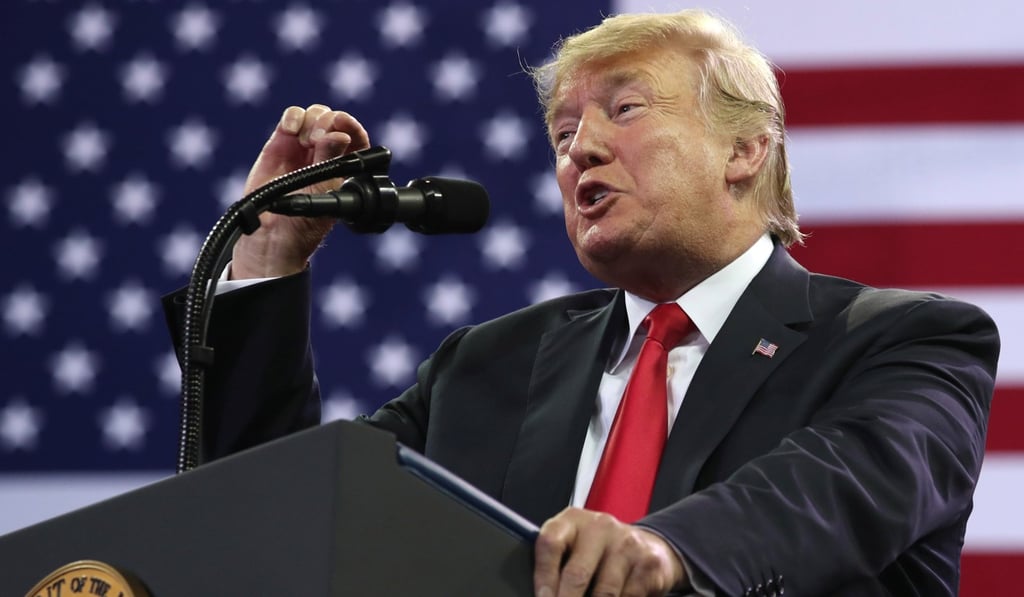
I am [being] constructive on [the impact from] Trump’s pressure … because what is actually happening is Chinese policymakers are taking this opportunity to speed up reforms
Therefore, Amundi – Europe’s largest asset manager with €1.43 trillion (US$1.66 trillion) of assets under management – said it remained constructive on Chinese equities: applying a relative value trading strategy in asset allocations by going long on the Hang Seng China Enterprises stocks while shorting emerging markets as a hedge.