Mixing with the big boys: Hong Kong’s SMEs have a part to play in Belt and Road Initiative
All is not lost for Hong Kong’s SMEs in the big league of Beijing’s global trade strategy, as long as they find their niche and make the right investments

Hong Kong’s small and medium-sized enterprises (SMEs) are hardly the typical players that might be expected to benefit from Beijing’s “Belt and Road Initiative” where mega infrastructure investments are likely to dominate. But local merchandise trading executives say they too can play a part.
Victor Fung Kwok-king, the honorary chairman of 110-year-old Hong Kong-based global merchandise trading power house Li & Fung, said the initiative involves “much more than infrastructure building” in the 62 nations which span Central, South, Southeast, and Western Asia as well as Europe and Africa.
“We need to ask the question of what happens after the infrastructure is built,” he said in an interview with the South China Morning Post.
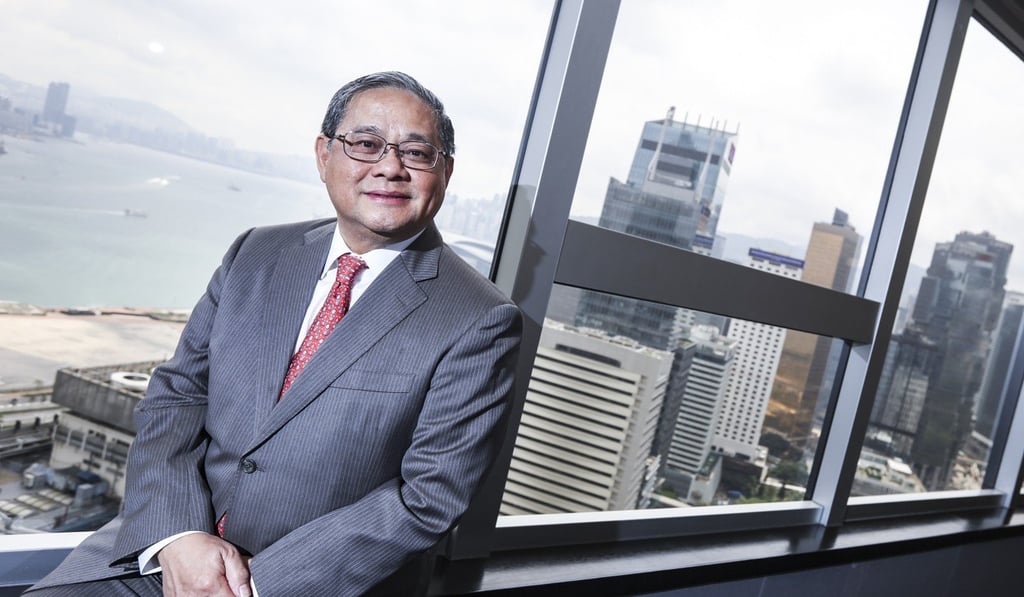
“There will be a rapid increase in trade, investment, people, culture and information flows, facilitated by a new form of multilateral institutions.”
After three decades of “globalisation of production – enabled by supply chain outsourcing,” he said the world will see rising globalisation of consumption, as consumers in emerging markets become richer.
Around two-thirds of global consumption still come from the 35 Organisation for Economic Cooperation and Development (OECD) nations, but that proportion is a drop from 83 per cent in 1980, he noted.