
Concrete Analysis | Co-living luring London property investors back
As growing numbers of young people say they are lonely, these new developments are focusing on four areas: convenience, community, connectivity and city living

It has been a while since any positive investor news has come out of London’s property market. Latest figures suggest the city is cooling with a decline of 1.9 per cent year-on-year and average yields at stubbornly low levels.
Some 24 London boroughs have seen price falls over the last 12 months compared to only nine that have seen price rises.
One latest London real estate asset class, however, already growing in popularity in Hong Kong and across Asia too, is bucking the trend – co-living.
Such flat blocks of smaller private rooms and larger communal amenities is being viewed as the inevitable evolution of the booming “sharing economy”, which is projected to be worth US$335 billion by 2025.
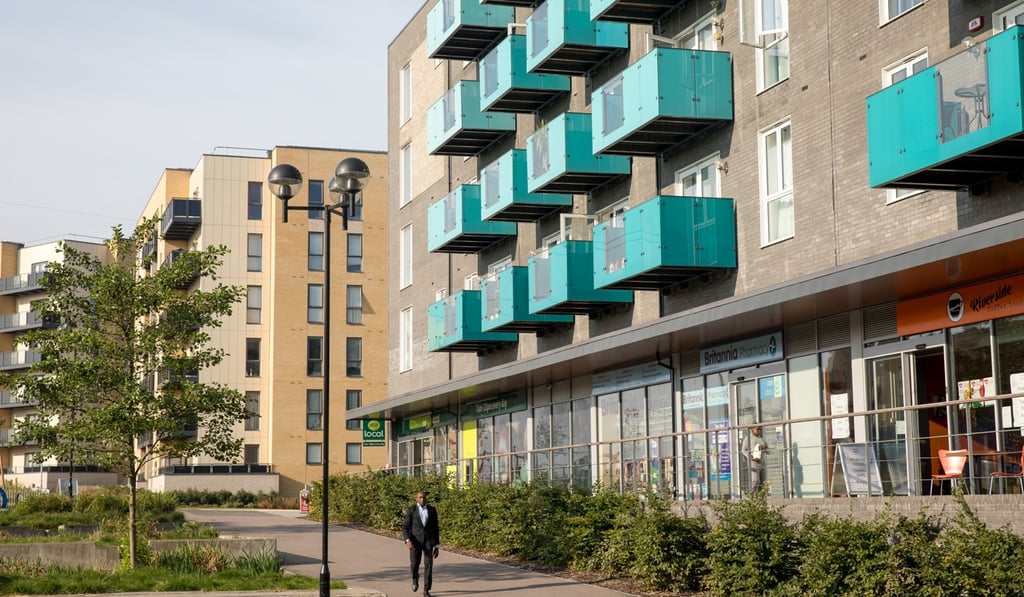
In Britain’s capital city, the shortage of affordable housing solutions against a backdrop of demand has paved the way for this new asset class to take shape.